The Hormuz Premium: Why Gold is Outpacing the Dollar as Doha Mediates the US-Iran Crisis
حقالعمل هرمز؛ چرا در روزهای میانجیگری دوحه، طلا از دلار سبقت گرفت؟
As Gulf mediators scramble in Doha to prevent a total energy collapse, the Iranian market is showing a clear preference for physical gold over paper currency. While the dollar dipped 0.6% today, gold prices climbed 1%, signaling a shift from simple inflation hedging to high-stakes catastrophe insurance.
At time of publishing
USD
177,850
Toman
Gold 18K
19.99M
Toman / gram
Bitcoin
$76,287
US Dollar
Tether
17,655.4
Toman
The Doha Paradox: Diplomacy vs. The Street
As the evening of April 30, 2026, settles over Tehran, the financial landscape is being carved by two opposing forces: the quiet whispers of diplomacy in Doha and the loud, chaotic reality of a regional conflict. Foreign Minister Abbas Araghchi’s insistence on the correct nomenclature for the Strait of Hormuz is more than a semantic debate; it is a signal of sovereignty at a time when the waterway’s closure has sent California gas prices screaming past $6 a gallon. For the Iranian saver, this geopolitical friction has created a fascinating divergence. While the USD sell rate softened slightly to 177,850 Toman (a 0.6% drop), Gold 18k surged by 1.0% to hit nearly 20 million Toman per gram. This suggests that while the 'diplomacy trade' is cooling the dollar's immediate fever, the 'war trade' is still driving people into the safety of gold.
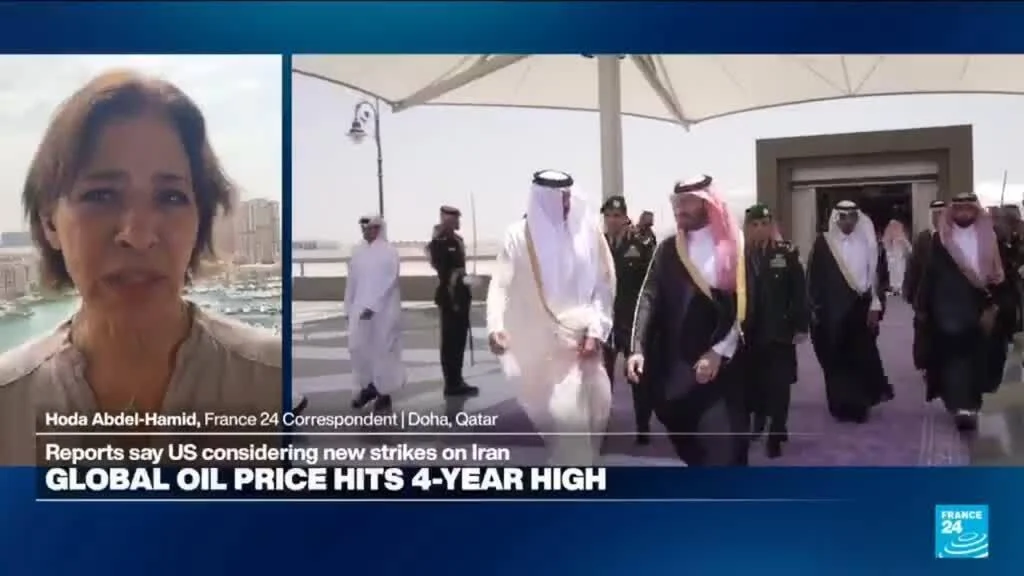
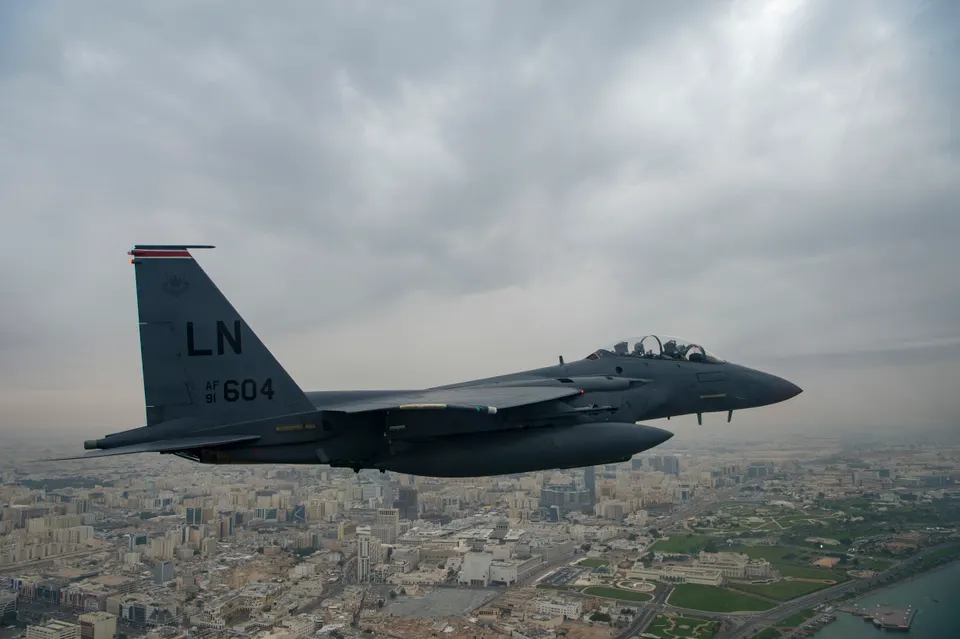
The mediation efforts led by Qatar, as reported by France 24, highlight the desperation of Gulf neighbors who fear that a prolonged U.S. blockade or continued Iranian defiance will permanently damage the region’s economic lungs. However, the market remains skeptical of a quick fix. When news broke that billions of dollars in U.S. military equipment had been destroyed in the ongoing conflict, the psychological floor for gold rose. Investors are no longer just looking to beat inflation; they are pricing in the risk of a systemic breakdown. In such a scenario, a stack of 100-dollar bills is only as good as the bank's ability to honor them, whereas a gold bar has no counterparty risk.
---
Physical Gold vs. USDT: The Digital Dilemma
For the modern Iranian investor, the choice between Tether (USDT) and physical gold has never been more agonizing. Today, USDT stands at 17,655 Toman, trailing slightly behind the physical dollar. While crypto enthusiasts point to Bitcoin’s resilience at $76,287, the reality on the ground in Europe—where attacks on Jewish targets suggest a widening 'ripple effect' of the Middle East war—reminds us that digital infrastructure is vulnerable to the same chaos as physical borders. If the conflict escalates to a point where internet stability or global banking connectivity is questioned, the 'digital gold' of USDT might face a liquidity trap that physical gold simply does not.
Furthermore, the recent reports of a 20-year sentence for a crypto CEO in South Korea over a $169M fraud serve as a grim reminder that the 'trustless' nature of crypto still relies on very human, and often flawed, intermediaries. In contrast, the 1% jump in 18k gold today reflects a move toward assets you can touch and hide. While USDT offers the convenience of rapid cross-border movement, it lacks the 'chaos premium' that gold currently enjoys. When the headlines are dominated by destroyed military hardware and defiant supreme leader statements, the market tends to favor the asset that has survived three thousand years of similar wars.
[IMAGE: Close-up of a hand holding a small 18-karat gold bar against a background of a trading screen showing red and green candles]
---
Emami Coin vs. 18k Grams: A Question of Liquidity
The internal battle within the gold market itself is equally telling. Today, the Emami coin rose by 0.5% to 203,000,000 Toman, while 18k gold per gram rose by a full 1.0%. This divergence is crucial for anyone deciding where to park their capital. The lower growth in the Emami coin suggests that the 'bubble' (Hobab) is being squeezed. Coins often carry a heavy psychological premium that can evaporate during periods of high-volume selling. If everyone tries to exit the market at once to raise cash, the spread on coins often widens significantly, making them less 'liquid' than their name suggests.
On the other hand, 18k gold remains the bedrock of the Iranian household economy. Its 1% rise today shows that even as the dollar experienced a minor correction, the demand for raw gold remains insatiable. This is the 'Hormuz Premium' in action. As long as the threat of a blockade remains and the U.S. administration faces domestic pressure over $106-per-barrel oil, the floor for gold is likely to remain high. Whether you choose the dollar or gold, the current environment demands a recognition that we are no longer in a standard economic cycle; we are in a war economy where the most portable, universally recognized, and physically present asset usually wins the day.
Frequently Asked Questions
Why is gold rising while the dollar is slightly falling today?
Is it better to buy Emami coins or 18k gold grams right now?
How does the $106 oil price affect the Toman exchange rate?
Should I hold USDT instead of physical gold during a conflict?
The Hormuz Risk Premium: How Geopolitical Tension Inflates Gold and Oil Prices
When traders talk about a "Hormuz premium," they are referring to the extra price that buyers are willing to pay for oil—or, increasingly, for gold—because of the risk that the Strait of Hormuz could be blocked or disrupted. The strait is a narrow chokepoint through which about a fifth of the world’s oil passes, and any threat to its free flow instantly raises the perceived risk of supply shortages. Market participants therefore add a risk premium to the spot price of commodities to compensate for the possibility of sudden price spikes.
A risk premium is not a tax or a fee; it is a market‑driven adjustment that reflects uncertainty. In the case of the Hormuz premium, the uncertainty stems from geopolitical tensions, such as the ongoing US‑Iran standoff and the diplomatic efforts in Doha. When the probability of a closure rises, oil traders bid up futures contracts, and investors often turn to gold as a safe‑haven asset. Gold’s price can rise faster than the dollar because investors demand a higher premium for holding a currency‑free store of value amid war‑risk scenarios.
The mechanism works like this: if the baseline price of Brent crude is $80 per barrel, a perceived Hormuz risk might add $5‑$10 per barrel as a premium. Simultaneously, gold may see an added “risk‑on” component that pushes its price above the usual inflation‑adjusted trajectory. This explains why, in 2026, analysts note that gold in Iran is outpacing the US dollar, especially when the local market prices gold in tomans and factors in both currency devaluation and geopolitical risk.
Understanding the Hormuz premium helps investors and policymakers gauge how political events translate into real‑world price movements. It also highlights why diversifying into assets like gold can be a hedge against regional instability, even as the underlying currency—whether the Iranian rial or the US dollar—fluctuates.
For a deeper dive, see the references below, which cover the geography of the strait, the economics of risk premiums, and gold’s role in global finance.