Toman Plummets 3.8% as US Navy Boards Iran-Bound Vessels; Will the 180,000 Resistance Hold?
سقوط ۳.۸ درصدی تومان در پی بازرسی کشتیها توسط آمریکا؛ آیا سد ۱۸۰ هزار تومانی دلار میشکند؟
The Iranian Toman has faced a sharp 3.8% devaluation in just 24 hours, driven by escalating maritime tensions and the UAE's shock departure from OPEC. As USD nears the psychological 180,000 threshold, gold and coin markets are following the upward spiral, leaving traders on edge.
At time of publishing
USD
178,050
Toman
Gold 18K
19.67M
Toman / gram
Bitcoin
$76,557
US Dollar
Tether
17,480
Toman
Key figures
US Dollar
178,050
Iranian Toman
↑ 3.85% todayBitcoin
$76,557
US Dollar
The 24-Hour Reality Check
The Iranian currency market has entered a phase of high-velocity volatility. According to the latest session data, the USD/IRR exchange rate has surged from 171,450 to 178,050 Toman, marking a significant 3.8% jump in just one day. This isn't just a routine fluctuation; it is a direct response to a tightening geopolitical vice. Simultaneously, Gold 18k/gram rose from 19,078,212 to 19,670,806 (+3.1%), and the Emami coin climbed from 195,000,000 to 198,500,000 (+1.8%). These numbers tell a story of a market seeking safety in hard assets as the domestic currency loses its footing.
What triggered this sudden spike? The primary catalyst appears to be reports from the US Central Command regarding the boarding of the M/V Blue Star III in the Arabian Sea. While the vessel was eventually released after it was confirmed it would not call at an Iranian port, the act itself signals a shift from passive monitoring to active enforcement of the blockade. For the Tehran market, this is a clear warning that the 'economic siege' is entering a more kinetic phase. The psychological impact of US Marines physically boarding ships suspected of heading to Iran cannot be overstated, as it directly threatens the remaining lifelines of Iranian trade.

The Bullish Case for the Dollar
From a purely technical and sentiment-driven perspective, the 'bullish' case for the US Dollar (and bearish for the Toman) is currently the dominant narrative. Beyond the maritime tensions, the UAE’s decision to leave OPEC has sent shockwaves through the region. This move underscores a growing rift between regional powers and suggests that the United Arab Emirates is charting a more independent, and perhaps more US-aligned, economic course. If OPEC’s influence continues to wane, the stability of regional oil revenues—which indirectly support the Toman through shadow banking networks—could be compromised.
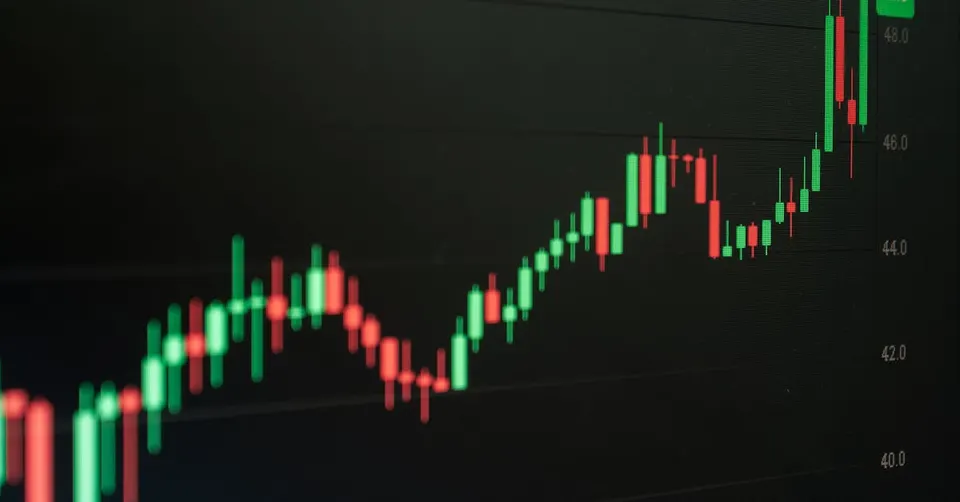
Furthermore, the global macro environment is turning 'hawkish' for the Dollar. With Kevin Warsh clearing the Senate Banking Committee vote to become the next Federal Reserve Chair, markets are anticipating a 'higher-for-longer' interest rate environment in the United States. A stronger Greenback globally puts immense pressure on emerging and sanctioned currencies. Domestically, the 180,000 Toman mark is now within striking distance. If this resistance level is breached with high volume, we could see a 'panic-buying' phase where retail investors rush to convert their remaining Toman savings into gold or stablecoins to hedge against a total currency collapse.
The Bearish Case for the Dollar
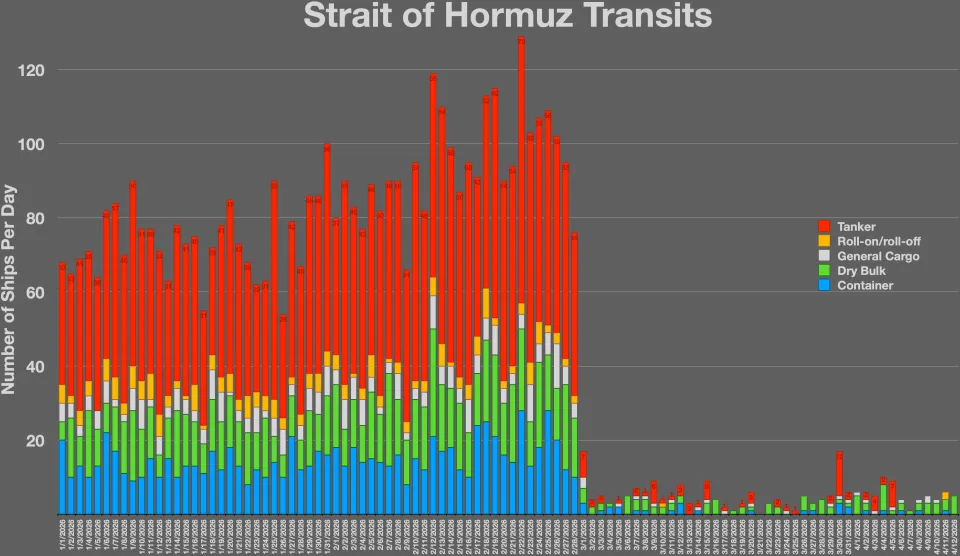
Conversely, there are reasons to believe this 3.8% jump might be an overreaction that invites a technical correction. The most significant factor is that the M/V Blue Star III was released. This indicates that despite the aggressive posture, the United States is still operating within a framework of 'controlled escalation' rather than seeking an immediate military confrontation that would shut down the Strait of Hormuz entirely. If the market perceives that the maritime blockade is more about inspection than total interdiction, the 'war premium' currently baked into the price might deflate.
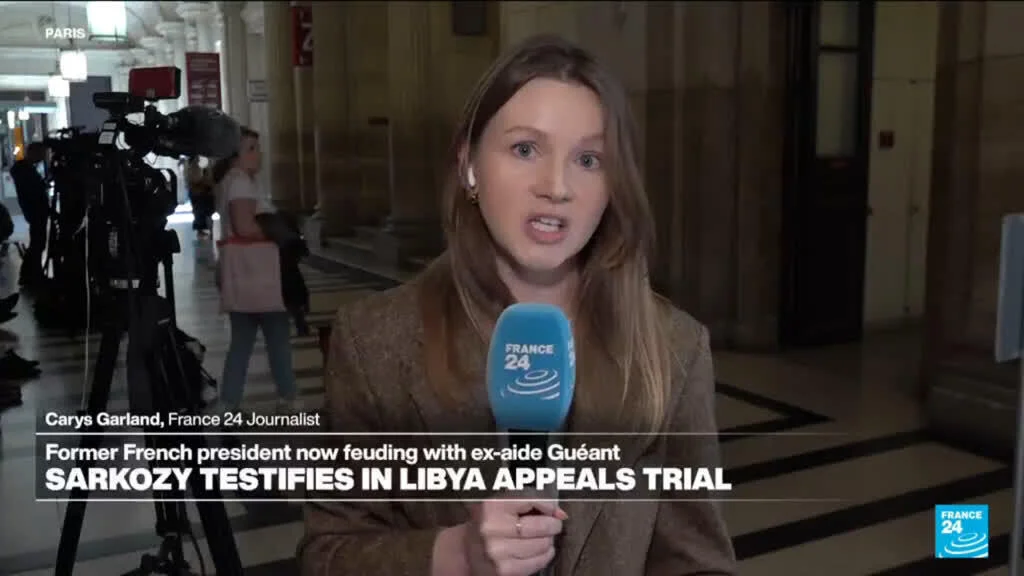
Additionally, international political distractions could provide a temporary reprieve for Iran. The focus of European powers is currently fractured; for instance, the Paris Court of Appeal is occupied with the high-profile Libya funding trial of former President Nicolas Sarkozy. While seemingly unrelated, such domestic legal and political crises in the West often slow the momentum of coordinated international sanctions or military initiatives. If the Iranian Central Bank manages to inject sufficient liquidity into the 'Nima' or 'Sana' systems during this window of distraction, we might see the USD pull back toward the 175,000 level.
Nuanced View and Macro Outlook
My analysis suggests that we are witnessing a 'testing of the waters' by both the markets and the military actors in the region. The Toman is no longer just reflecting inflation; it is reflecting a geopolitical risk premium that is highly sensitive to headlines. The report of Nigel Farage receiving millions from a crypto billionaire in the UK or the US Supreme Court's landmark ruling on Louisiana’s maps are reminders that the Western political landscape is in a state of flux. This volatility in the West can be a double-edged sword for Iran: it creates uncertainty that can either lead to a lapse in sanctions enforcement or a sudden, unpredictable pivot in US foreign policy.
In the short term, the interplay between Bitcoin holding at $76,557 and the Toman's decline is crucial. We are seeing a 'decoupling' where global crypto markets are relatively stable while the Iranian market is in turmoil. This suggests the current crisis is localized and specifically tied to the maritime blockade. Keep a close eye on the 180,000 Toman resistance; it is the most critical level of the year. If we close above it this week, the path to 200,000 becomes a matter of 'when,' not 'if.' As always, this is analysis, not financial advice—the uncertainty in the Arabian Sea makes any guarantee impossible.
Frequently Asked Questions
Why did the USD/IRR price jump 3.8% in 24 hours?
What is the significance of the 180,000 Toman resistance level?
How does the UAE leaving OPEC affect the Iranian market?
Is gold a safer bet than USD right now in Tehran?
Understanding Iran’s Dual Exchange Rate System
Iran operates a dual exchange rate system in which the official rate set by the Central Bank coexists with a market‑driven “free” rate. The official rate is used for essential imports, government transactions, and foreign‑currency‑linked contracts, while the free rate reflects the supply‑demand dynamics in the black market where most Iranians actually buy and sell dollars. This split creates a large spread—often several hundred percent—which can distort pricing, fuel inflation, and incentivize arbitrage.
The dual system emerged after the re‑imposition of U.S. and EU sanctions in 2018, when the Central Bank could no longer obtain sufficient foreign currency at the official rate. By allowing a parallel market, the government could still meet import needs for critical goods (e.g., medicine, food) while limiting the outflow of hard currency. However, the gap between the two rates has persisted, and recent geopolitical events—such as the U.S. Navy’s seizure of Iran‑bound vessels and renewed sanctions—have widened the spread, pushing the Toman (the everyday unit of the Iranian rial) down by nearly 4% in a single day.
For households and businesses, the dual rates mean that salaries paid in Tomans lose purchasing power faster than the official statistics suggest. Companies that earn revenue in dollars (oil, exports) must convert at the official rate, often receiving far fewer Tomans than they would on the free market, which squeezes profit margins. Conversely, those who can access the black‑market rate can buy foreign goods more cheaply, creating a privileged class of traders and deepening inequality.
Policy makers have tried to narrow the gap by tightening foreign‑exchange controls, introducing a “single‑rate” pilot in 2022, and using foreign‑currency auctions. Yet the underlying problem—limited hard‑currency inflows under sanctions—remains. Understanding the dual‑rate mechanism helps explain why the Iranian currency can swing dramatically in response to external shocks, such as a naval blockade or a sudden drop in oil revenues, and why the 180,000‑strong “Resistance” narrative often hinges on controlling this exchange‑rate spread.
Key takeaway: Iran’s dual exchange‑rate system is a structural response to sanctions that creates a persistent divergence between official and market rates, amplifying the impact of geopolitical events on everyday prices and the broader economy.