
USDT vs. Gold: Which is the Safer Haven for Iranians Amidst Market Volatility?
تتر در مقابل طلا: کدام پناهگاه امنتر برای ایرانیان در میان نوسانات بازار است؟
As the Iranian Toman faces persistent pressure, many turn to digital assets or traditional gold for safeguarding their wealth. We break down the pros and cons of USDT versus physical gold, considering liquidity, risk, and the current market snapshot.
At time of publishing
USD
181,900
Toman
Gold 18K
20.16M
Toman / gram
Bitcoin
$81,328
US Dollar
Tether
18,058.1
Toman
The Shifting Sands of Wealth Preservation
The economic landscape for Iranians remains a complex terrain, marked by currency fluctuations and geopolitical uncertainties. In this environment, the age-old question of how best to preserve wealth resurfaces with urgency. For many, the choice boils down to two seemingly stable options: the digital dollar, Tether (USDT), or the timeless allure of gold. While USDT offers a digital gateway and perceived stability pegged to the US dollar, physical gold has historically been the ultimate store of value. However, the current market snapshot reveals a nuanced picture, where both assets present unique opportunities and risks.
Currently, the USD is trading at 181,900 Toman, a slight increase from yesterday. Gold, on the other hand, has seen a mixed performance. While 18k gold per gram edged up by 0.2% to 20,164,827 Toman, the Emami coin, a widely recognized gold coin, experienced a significant drop of 4.9% to 195,000,000 Toman. This divergence within the gold market itself, coupled with the steady, albeit small, upward trend of the USD, complicates the decision-making process for individuals seeking to protect their savings from inflation and devaluation.
---
USDT: The Digital Dollar's Double-Edged Sword
Tether, or USDT, presents itself as a stablecoin, designed to maintain a 1:1 peg with the US dollar. Its primary appeal lies in its accessibility and perceived stability, especially when compared to the volatility of other cryptocurrencies like Bitcoin, which is currently trading at $81,328. For Iranians, USDT offers a way to hold a dollar-equivalent asset without the physical constraints of dollar bills or the complexities of international wire transfers.
The Toman price for USDT is listed at 18,058, which, while not directly comparable to the USD/Toman exchange rate due to different quoting conventions (USDT is priced in Toman but pegged to USD), reflects the underlying demand for dollar-linked assets. The advantage of USDT is its ease of transfer and use within the digital economy. It can be traded quickly on various exchanges, offering a degree of liquidity that physical assets might lack in certain situations. Furthermore, its decentralized nature, to some extent, insulates it from direct governmental controls that might affect physical currency holdings.
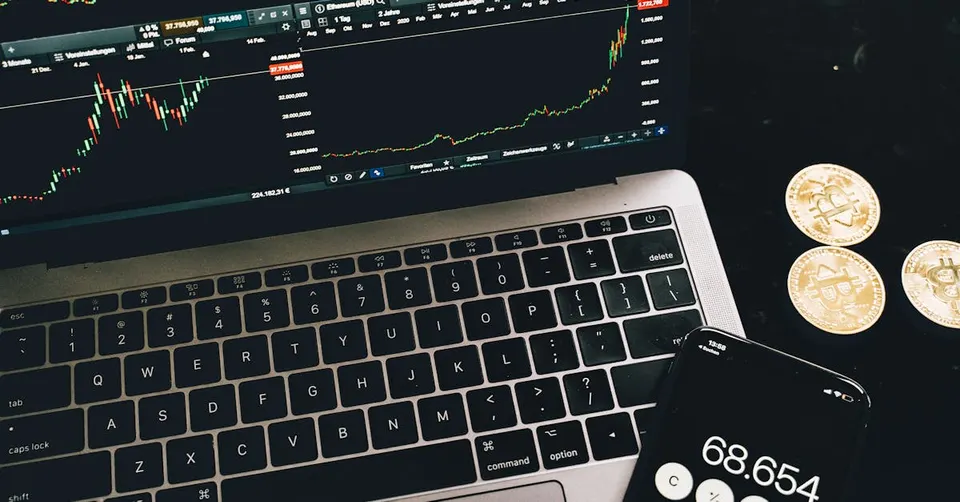
However, USDT is not without its risks. The primary concern revolves around the backing of the stablecoin itself. While issuers claim full backing by reserves, transparency and auditability have historically been points of contention. Regulatory scrutiny and the potential for de-pegging events, however rare, remain a shadow over its stability. For an Iranian investor, the risk of USDT losing its peg, or facing operational issues on exchanges, could lead to sudden and significant losses, especially if they are holding substantial amounts without diversified exposure.
---
Gold: The Traditional Haven Under Pressure
Gold has long been considered the ultimate store of value, a tangible asset that has weathered economic storms for millennia. In Iran, gold coins and bullion have been a cornerstone of savings for generations, offering a hedge against inflation and currency devaluation. The current price of 18k gold at 20,164,827 Toman per gram, a slight increase, suggests continued underlying demand.
The significant 4.9% drop in the Emami coin price, however, introduces a note of caution. This divergence between the gram price and the coin price might indicate market-specific dynamics, perhaps related to coin premiums or supply-demand imbalances for minted coins. It highlights that even within the 'safe haven' of gold, different forms can exhibit distinct price behaviors. The physical nature of gold provides a sense of security, as it is not subject to the digital risks associated with cryptocurrencies, such as exchange hacks or regulatory shutdowns.

The primary drawback of physical gold for many is its lower liquidity compared to digital assets. Selling gold often requires finding a buyer, assessing its purity, and negotiating a price, a process that can be time-consuming and may involve transaction costs or unfavorable exchange rates. Furthermore, storing physical gold carries its own risks, including theft and damage. While gold has historically maintained its value, its price can also be subject to significant fluctuations, influenced by global economic conditions, interest rates, and geopolitical events. The current global gold ounce price of $4,583.00, while high, does not guarantee future appreciation.
---
Navigating the Choice: What Does the Snapshot Tell Us?
When comparing USDT and gold for an Iranian investor today, the decision hinges on individual risk tolerance, investment horizon, and liquidity needs. USDT offers the convenience and digital accessibility of a dollar-pegged asset, potentially providing a quicker way to transact or move funds within the digital sphere. Its stability is theoretically tied to the US dollar, offering a buffer against Toman depreciation.
However, the inherent risks of stablecoin backing and the reliance on digital infrastructure make it a choice for those comfortable with technological and regulatory uncertainties. On the other hand, physical gold, despite its recent price wobbles in coin form, remains a tangible asset with a long-established track record as a store of value. Its security comes from its physical presence, but at the cost of lower liquidity and the need for secure storage.
The current market snapshot, with the USD showing a modest rise and gold exhibiting internal divergence, underscores that neither asset is a perfect, risk-free solution. For a short-term need for dollar-equivalent liquidity, USDT might seem appealing. For long-term wealth preservation, gold's historical resilience is compelling, provided one navigates its market nuances. Ultimately, a diversified approach, potentially including both digital and traditional assets, might offer the most robust strategy for safeguarding wealth in these uncertain times.
Frequently Asked Questions
What is the current price difference between USDT and USD in the Iranian market?
Why did the Emami coin price drop significantly while 18k gold per gram only slightly increased?
What are the main risks associated with holding USDT for Iranians?
Is physical gold always a better long-term store of value than USDT?
How does the current geopolitical situation impact the choice between USDT and gold for Iranians?
Understanding Inflation Hedges: Why Gold and USDT Matter in Iran
An inflation hedge is an asset that is expected to retain its value—or even appreciate—when the purchasing power of a currency falls. In economies experiencing rapid price rises, such as Iran’s, households and investors look for ways to protect savings from eroding real value. The concept hinges on the idea that some assets are less tied to domestic monetary policy and can act as a store of wealth when the local currency weakens.
Gold has been the classic inflation hedge for centuries. Its scarcity, durability, and global acceptance mean that its price often moves in the opposite direction of a depreciating currency. When Iran’s rial loses value against the US dollar, the price of gold in rial terms typically rises, allowing Iranians who hold physical gold or gold-backed securities to preserve purchasing power.
In the digital age, stablecoins like USDT (Tether) aim to provide a similar function, but in a cryptocurrency format. USDT is pegged 1:1 to the US dollar, meaning each token is theoretically backed by an equivalent reserve of dollars or dollar‑denominated assets. For Iranians who face restrictions on accessing foreign bank accounts, USDT can be transferred instantly across borders, offering a quick, liquid way to hold a dollar‑denominated asset without the need for a traditional bank.
However, the safety of these hedges differs. Gold’s value is underpinned by physical scarcity and centuries of trust, but it requires secure storage and can be illiquid in times of crisis. USDT, while convenient, depends on the issuer’s reserve transparency and the stability of the underlying blockchain infrastructure. Users must weigh the proven resilience of gold against the operational risks and regulatory uncertainties surrounding stablecoins.