US Bases Damaged: Why USDT is Riskier Than Gold Amidst Middle East Conflict
آسیب پایگاههای آمریکا: چرا USDT در بحبوحه درگیری خاورمیانه از طلا پرریسکتر است؟
As satellite imagery reveals damage to US bases in the Gulf, escalating regional tensions are shaking financial markets. This post examines the heightened risks for digital assets like USDT compared to traditional safe havens such as gold, offering insights for Iranian investors navigating this volatile landscape.
At time of publishing
USD
176,900
Toman
Gold 18K
20.38M
Toman / gram
Bitcoin
$80,140
US Dollar
Tether
17,693.2
Toman
escalating Regional Tensions and the Flight to Safety
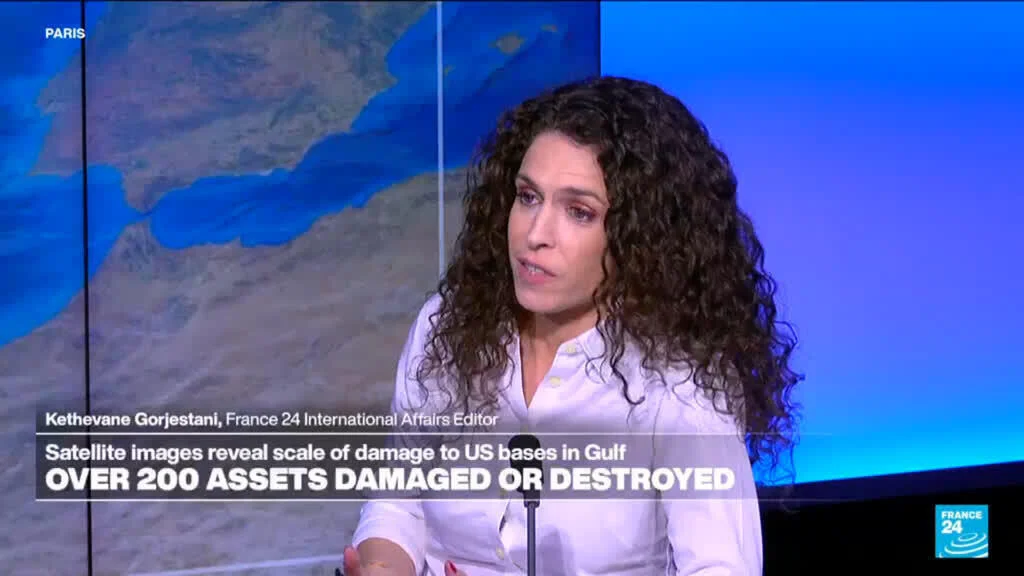
New satellite imagery, verified by The Washington Post, paints a stark picture: at least 228 structures or pieces of equipment at US military sites across the Middle East have sustained damage since the current conflict began [4]. This concrete evidence of escalating hostilities in the Gulf region injects a significant dose of geopolitical risk into global markets. For individuals and businesses holding assets, this isn't just abstract news; it directly influences the perceived safety and value of their holdings. In times of heightened international tension, investors typically seek refuge in assets considered stable and less susceptible to immediate geopolitical shocks. This often means a traditional flight to safety, where capital moves away from riskier ventures and towards perceived havens.
This dynamic is particularly relevant for Iranian investors who are acutely aware of the vagaries of currency fluctuations and the impact of international events on their savings. The current situation in the Middle East, with confirmed damage to US bases, signals a potential for further instability, which can ripple through various asset classes. The immediate question for many becomes: where is the safest place for my money? This isn't a question with a simple answer, as different assets react differently to geopolitical stress. Understanding these reactions is crucial for making informed decisions about wealth preservation and potential growth in an unpredictable environment.
---
USDT vs. Gold: A Tale of Two Safe Havens
When considering safe-haven assets, two prominent options often come to mind: the US Dollar (and its digital stablecoin equivalent, USDT) and physical gold. However, the current geopolitical climate, particularly the confirmed damage to US bases in the Gulf, casts a long shadow over the traditional role of the dollar and its digital counterpart. While USDT aims to maintain a stable peg to the US Dollar, its underlying stability is intrinsically linked to the trust and operational integrity of the systems that support it, as well as the broader perception of the dollar's strength. The escalating conflict in the Middle East, as evidenced by the satellite imagery, directly challenges the stability of the region and, by extension, the perceived safety of dollar-denominated or dollar-pegged assets.
Gold, on the other hand, has historically served as a tangible store of value for millennia. Its appeal as a safe haven stems from its intrinsic properties: it's a physical commodity, not reliant on any single government's policy or a complex digital infrastructure. While the price of gold can fluctuate, its long-term value proposition as a hedge against inflation and geopolitical uncertainty remains compelling. Today, gold prices are showing resilience and growth, with 18k gold per gram rising 2.1% in the last 24 hours to 20,377,672 Toman, and the Emami coin seeing a 1.0% increase to 195,000,000 Toman. This upward movement in gold prices, in the face of regional instability, suggests that investors are actively seeking the tangible security that gold offers. In contrast, while USDT is quoted at 17,693 Toman, its stability is far more theoretical in such a high-risk environment. The conflict's impact on global trade routes and the potential for further sanctions or disruptions could indirectly affect USDT's stability, making it a less reliable hedge than gold in this specific scenario.
---
The Bigger Picture: Geopolitics, Oil, and Market Sentiment
The conflict's impact extends beyond just currency and gold. The US naval blockade on Iran, as reported, is beginning to bite, halting oil exports and creating storage challenges [6]. This directly impacts global energy prices, which in turn affects airline costs, as highlighted by the EU's stance on passenger compensation for fuel-related cancellations [3]. Higher energy prices fuel inflation, eroding purchasing power and increasing the demand for inflation hedges. This creates a feedback loop where geopolitical instability directly translates into economic pressure, making traditional safe havens like gold even more attractive.
Furthermore, the ongoing geopolitical tensions, including the heightened threats from Russia towards Ukraine over the Victory Day Parade [11] and the stalled disarmament talks with Hamas [10], contribute to a general sense of global unease. This pervasive uncertainty reduces risk appetite across markets. Investors become more cautious, pulling capital from speculative assets and seeking security. For Bitcoin, which has seen some bullish signals with its test of Bollinger Bands breakout [1], the current geopolitical climate introduces a significant counter-risk. While some may see it as a decentralized alternative, its price is still highly sensitive to broader market sentiment and risk-on/risk-off dynamics. In this environment, the tangible, time-tested nature of gold offers a different kind of security that digital assets, even those with strong technological underpinnings, may struggle to match.

---
Navigating the Uncertainty: What This Means for You
For Iranian readers, the current geopolitical landscape presents a complex set of challenges and opportunities. The damage to US bases in the Gulf [4] and the ongoing naval blockade on Iran [6] underscore the heightened risks of regional instability. This instability directly impacts the Toman's exchange rate, which has seen the USD sell price rise to 176,900 Toman (+0.5% in 24h). In such an environment, the allure of stable, tangible assets becomes even stronger. The 2.1% rise in 18k gold and the 1.0% rise in Emami coins within a single day clearly indicate a market favoring physical assets as a hedge against currency depreciation and geopolitical turmoil.
While USDT offers a seemingly stable peg to the dollar, its reliance on digital infrastructure and the broader stability of the US financial system makes it vulnerable to the very geopolitical shocks that are currently unfolding. The potential for disruptions to global financial networks, or even direct impacts on digital asset infrastructure due to conflict, cannot be ignored. Therefore, when considering where to preserve and grow your wealth, it's essential to weigh the tangible, historical resilience of gold against the more abstract, technologically-dependent stability of USDT. The current market movements suggest a clear preference for the former. As events unfold, staying informed about geopolitical developments and their potential impact on asset prices will be paramount in making sound financial decisions.
Watch
War in the Middle East: Satellite imagery reveal scale of damage to US bases in Gulf • FRANCE 24
FRANCE 24 English
Frequently Asked Questions
How does the damage to US bases in the Gulf specifically impact the value of USDT?
Why is gold considered a more reliable safe haven than USDT in times of geopolitical crisis?
What are the current price movements of gold and USDT in Toman, and what do they indicate?
How do the US naval blockade on Iran and rising oil prices contribute to the discussion about safe-haven assets?
Safe‑Haven Assets: Why Gold Holds Up Better Than USDT in Geopolitical Turmoil
A safe‑haven asset is an investment that is expected to retain or increase its value during periods of market stress, political upheaval, or economic uncertainty. Investors flock to such assets to preserve capital when traditional markets wobble. The classic example is gold, whose scarcity, long‑standing store‑of‑value reputation, and physical tangibility make it relatively insulated from the whims of any single government or central bank.
By contrast, stablecoins like USDT (Tether) claim to maintain a 1:1 peg to the U.S. dollar, but their backing relies on the issuer’s reserves and the transparency of those reserves. In a geopolitical shock—such as the escalation of conflict in the Middle East—banking channels can be disrupted, regulators may scrutinise crypto‑asset providers, and confidence in the issuer’s ability to honor redemptions can evaporate. When confidence wanes, a stablecoin can lose its peg, as seen during past market panics where USDT briefly traded below $1.
Gold’s price, meanwhile, often decouples from fiat currency fluctuations because it is priced globally in dollars but purchased and held in many forms (bars, coins, ETFs). Even if a regional crisis spikes oil prices or triggers currency devaluations—like the Iranian rial or toman—the demand for gold as a hedge against inflation and currency risk typically rises, supporting its price.
The key takeaway is that safety is a function of both asset characteristics and the credibility of the issuer. Physical commodities with centuries‑old acceptance, such as gold, provide a more robust safe haven than algorithmic or reserve‑backed digital tokens whose value hinges on institutional trust, which can be fragile under geopolitical strain.