US Visa Snag for Iran Staff: World Cup Dream Meets Diplomatic Reality
ممانعت آمریکا از ویزای کادر فنی ایران: رویای جام جهانی در برابر واقعیت دیپلماتیک
Iran's World Cup squad is en route to Mexico, but a diplomatic spat over visas for essential staff has cast a shadow. This visa denial, juxtaposed with the players' entry, highlights the intricate geopolitical dance impacting Iranian citizens and their aspirations.
At time of publishing
USD
175,250
Toman
Gold 18K
18.38M
Toman / gram
Bitcoin
$60,823
US Dollar
Tether
174,655
Toman
The World Cup Dream Faces a Visa Hurdle
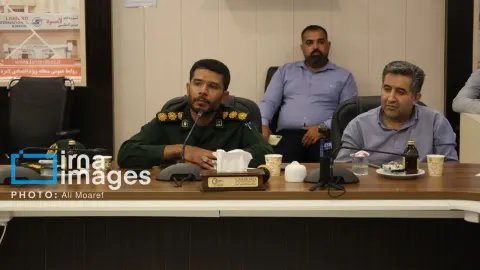
The Iranian national football team is packing its bags and heading towards Mexico for the World Cup, a moment of national pride and global sporting engagement. However, the journey is not without its complications. Iranian officials have reported that a significant number of technical and support staff have been denied visas to enter the United States, a crucial transit point for many international flights to North America. This stands in stark contrast to the players themselves, who have reportedly received their necessary travel documents. The situation has sparked frustration and raised questions about the transparency and fairness of the visa application process for Iranian citizens, even those involved in international sporting events.
This diplomatic friction, while seemingly focused on logistical issues, carries a heavier weight. It underscores the persistent geopolitical tensions that often spill over into the lives of ordinary Iranians and their national endeavors. For a nation that rallies around its sporting teams as a symbol of unity and resilience, such obstacles can feel like a deliberate attempt to impede progress and dampen national spirit. The timing, just as the team embarks on its most significant global stage, amplifies the disappointment and frustration felt by players, staff, and fans alike.
---
Geopolitical Undercurrents in the Strait and Beyond
Simultaneously, the broader geopolitical landscape surrounding Iran continues to be a focal point of international concern. Russian energy giant Rosneft's CEO has voiced that the "US-made crisis in the Strait of Hormuz harms all nations," suggesting that the tensions, while perhaps initially aimed at Iran, have created a ripple effect of negative consequences globally. This perspective highlights the interconnectedness of regional stability and international trade, particularly concerning vital energy chokepoints like the Strait of Hormuz.
Adding to this narrative, Iran's Ambassador to London has rejected the UK's characterization of the Hormuz situation, asserting that "external forces cannot ensure regional security." This diplomatic pushback emphasizes Iran's stance that regional security must be achieved through internal dialogue and cooperation, rather than through foreign military presence or pressure. These statements, occurring concurrently with the World Cup visa issue, paint a picture of a nation navigating complex international relations on multiple fronts, where sporting events can become entangled with broader diplomatic and security concerns.

---
Market Signals Amidst Diplomatic Crosscurrents
While the geopolitical and sporting narratives dominate headlines, the underlying economic indicators provide a crucial lens through which to understand the broader sentiment. The USD/IRR exchange rate saw a slight increase, moving from 174,300 to 175,250, a 0.5% rise. This movement, though modest, occurs against a backdrop of international scrutiny and diplomatic maneuvering. In the precious metals market, 18k gold per gram also experienced a marginal uptick of 0.2%, rising from 18,331,409 to 18,375,963 Toman. This suggests a degree of caution or perhaps a slight re-evaluation of asset values in response to the ongoing geopolitical climate.
Conversely, the Emami coin, a significant marker in the Iranian gold market, saw a notable dip of 1.4%, falling from 183,500,000 to 181,000,000 Toman. This divergence between gold grams and coins could indicate varying market dynamics or investor sentiment towards different forms of gold assets. In the cryptocurrency space, while specific 24-hour changes for USDT in Toman are not provided, the broader market context is always relevant. Bitcoin's price at $60,823 and Ethereum at $1,559.12 show the general state of the digital asset market, which can influence demand for stablecoins like USDT as a proxy for USD value within Iran.
The Bigger Picture: Aspirations and Realities
The World Cup visa issue serves as a potent reminder of how global aspirations can be complicated by political realities. For Iranians, the national team's participation in the World Cup is more than just a sporting event; it's a source of national pride, a chance to showcase talent on the world stage, and a brief respite from economic and political pressures. When logistical hurdles, seemingly stemming from international relations, impede this collective endeavor, it resonates deeply.
This situation is emblematic of the broader challenges faced by Iranians in their interactions with the international community. Whether it's securing visas for sporting events, engaging in international trade, or simply seeking to manage personal finances through foreign currency or digital assets, the geopolitical climate often adds layers of complexity and risk. The narratives from the Strait of Hormuz, the diplomatic exchanges, and the market movements all weave together, illustrating the delicate balance between Iran's national ambitions and the external forces that shape its reality. Understanding these interconnected factors is crucial for any Iranian looking to navigate their financial and personal future.
Concept Diagram
Frequently Asked Questions
Why are US visa issues affecting Iran's World Cup staff?
How do geopolitical tensions in the Strait of Hormuz impact Iranian markets?
What is the difference between the price movements of 18k gold per gram and Emami coins?
How does the USD/IRR exchange rate movement relate to these events?
How Geopolitics Shapes Domestic Economies
The recent news of US visa snags for Iranian World Cup staff, alongside mentions of Strait of Hormuz tensions and fluctuations in the USD/IRR exchange rate, gold prices, and crypto markets in Iran, vividly illustrates a crucial economic concept: the profound and often immediate impact of geopolitics on a nation's domestic economy. Geopolitics, which examines the influence of geography on politics and international relations, isn't an abstract academic field; it directly translates into tangible economic realities, especially for countries deeply entangled in international disputes or facing sanctions.
When geopolitical tensions escalate, such as those between the US and Iran, they create significant uncertainty. This uncertainty deters foreign investment, disrupts international trade routes (like the Strait of Hormuz, a critical oil transit chokepoint), and can lead to the imposition or tightening of economic sanctions. Sanctions, in particular, are a powerful geopolitical tool designed to exert pressure by limiting a country's access to international financial systems, technology, and markets. For the average citizen, this means higher costs for imported goods, limited access to foreign currency, and a general erosion of economic stability.
These geopolitical pressures directly manifest in economic indicators. The USD/IRR exchange rate, for instance, becomes highly sensitive to political news, with tensions often leading to a depreciation of the local currency as investors and citizens seek safer assets or anticipate further economic restrictions. This drives up the price of goods and services, fueling inflation. Simultaneously, domestic demand for traditional safe-haven assets like gold (reflected in the Emami coin price and general gold price in Iran) typically surges as people try to protect their savings from currency devaluation and economic instability. Furthermore, the burgeoning crypto market in Iran can be seen, in part, as a response to these conditions, offering alternative avenues for transactions and value storage when traditional financial systems are restricted or unstable.
Ultimately, the interplay between geopolitics and domestic economics creates a complex web of challenges. From the practical difficulties of securing visas for international travel to the broader implications for currency stability and investment choices, geopolitical realities dictate much more than just diplomatic relations. They fundamentally shape the economic landscape, influencing everything from national budgets to the daily purchasing power and financial strategies of ordinary citizens.