

Digital Gold vs. The Real Deal: Why Bitcoin Hit 4-Month Lows While 18k Gold Gained Ground
طلای دیجیتال در برابر طلای سرخ؛ چرا بیتکوین به کف ۴ ماهه رسید اما طلای ۱۸ عیار صعودی شد؟
As geopolitical tensions weigh on the crypto market, Bitcoin has slumped to a four-month low of $63,871. Meanwhile, traditional gold in Tehran is showing its teeth, rising 0.6% in 24 hours to prove its resilience as the ultimate inflation hedge.
At time of publishing
USD
174,500
Toman
Gold 18K
18.87M
Toman / gram
Bitcoin
$63,871
US Dollar
Tether
172,148
Toman
The Great Divergence of 2026
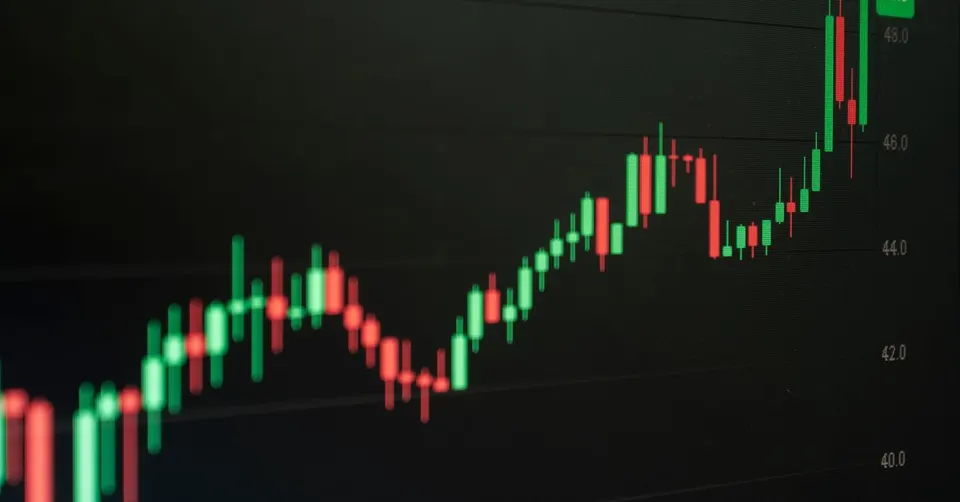
On this Thursday evening, June 4, 2026, the age-old debate between Bitcoin and physical gold has taken a dramatic turn. For years, crypto enthusiasts argued that Bitcoin is 'Gold 2.0,' a borderless asset immune to the whims of central banks. However, the current market snapshot reveals a starkly different reality for Iranian investors. While Bitcoin (BTC) has tumbled to a four-month low of $63,871, weighted down by escalating regional tensions, the local price of 18k gold has actually climbed. In the last 24 hours, gold per gram rose from 18,752,481 to 18,874,370 Toman—a steady 0.6% increase that highlights its role as a psychological and financial anchor during times of uncertainty.
This divergence isn't just a fluke of the numbers; it represents a fundamental shift in how 'risk-off' assets behave. Bitcoin, despite its fixed supply, often trades more like a high-growth tech stock. When the drums of war or geopolitical friction beat louder—as seen with the recent reports of Iran-related tensions impacting global sentiment—investors often flee crypto in favor of the cold, hard certainty of precious metals. For the Iranian saver, this means that while their digital wallet might be bleeding value in dollar terms, the gold coin or jewelry in their safe is doing exactly what it was bought for: preserving purchasing power when the world feels unstable.
Sanctions, Politics, and the Transparency Trap
The narrative surrounding crypto as a 'sanction-evasion' tool is also facing a reality check. Recent headlines show a British teenager being sanctioned by Russia after alleging the use of crypto to bypass international restrictions. This highlights a critical vulnerability: the blockchain is transparent. Unlike a physical Emami coin, which can be traded in the shadows of the Tehran bazaar without leaving a digital footprint, every satoshi moved on-chain is a permanent record. As U.S. lawmakers push for even stricter Russia sanctions and new aid packages for Ukraine, the regulatory net around digital assets is tightening, making 'digital gold' a potentially liability for those seeking true anonymity.
Furthermore, the political landscape of crypto is becoming increasingly complex. We are seeing crypto billionaires now funding political movements, such as the Reform party in the UK, attempting to cement their influence over future policy. This 'politicization' of Bitcoin contrasts sharply with the neutrality of gold. Gold doesn't care who is in power in Budapest or Washington; it doesn't have a lobby, and it doesn't have a CEO. For an Iranian investor looking at a 2025-2026 horizon, the question is no longer just about price appreciation, but about which asset is less likely to be 'weaponized' by global regulators in the heat of a geopolitical crisis.

Liquidity vs. Portability in the 2026 Market
When we look at the numbers, the USD sell rate stands firm at 174,500 Toman, while USDT (Tether) is trading at a slight discount at 172,148 Toman. This gap suggests that while there is demand for digital dollars, the 'physicality' of the dollar and gold still commands a premium in the local market. An Emami coin at 183,500,000 Toman remains the gold standard for high-value liquidity. You can walk into almost any exchange in Iran and convert that coin into cash instantly. Bitcoin, while technically more portable across borders, requires a level of technical literacy and access to stable internet and exchanges that can be disrupted during times of high tension.
Ultimately, the choice between Bitcoin and gold in 2026 depends on your definition of 'safety.' If safety means the ability to move your entire net worth across a border in a brain-wallet, Bitcoin remains king despite its current $63,871 slump. But if safety means knowing your wealth will be recognized by any merchant or neighbor in a crisis, the 0.6% gain in 18k gold today tells you all you need to know. Gold is not just an investment; in the Iranian context, it is a form of insurance that has successfully paid out for decades, regardless of the technological or political trends of the day.
Concept Diagram
We use cookies for analytics and advertising. You can accept or reject. See ourPrivacy PolicyandCookiesfor details.