
USD/IRR Edges Up, Gold Tumbles: Geopolitics and Economic Headwinds Clash
دلار/ریال اندکی صعودی، طلا سقوط کرد: برخورد ژئوپلیتیک با بادهای مخالف اقتصادی
The Iranian Toman saw a marginal gain against the US Dollar, while gold prices experienced a significant drop. This divergence highlights the complex interplay of regional tensions, global economic shifts, and domestic market forces impacting Iranian assets.
At time of publishing
USD
174,100
Toman
Gold 18K
18.40M
Toman / gram
Bitcoin
$60,787
US Dollar
Tether
174,511
Toman
Key figures
US Dollar
174,100
Iranian Toman
↑ 0.23% todayBitcoin
$60,787
US Dollar
What Actually Happened: A Tale of Two Markets
The Iranian market presented a mixed picture over the last 24 hours, with the US Dollar showing a slight upward trend against the Rial, moving from 173,700 to 174,100 Toman, a 0.2% increase. This modest appreciation suggests continued demand for the greenback, likely driven by a combination of inflation hedging and its role as a stable store of value in uncertain times. Conversely, gold prices experienced a sharp decline. 18k gold per gram fell by 2.4%, from 18,843,436 Toman to 18,398,356 Toman. The Emami coin, a benchmark for gold coin prices, remained flat at 183,500,000 Toman, indicating that while the raw material (gold ounce in USD) might be under pressure, the local coin market is showing some resilience, perhaps due to specific domestic demand or liquidity factors.
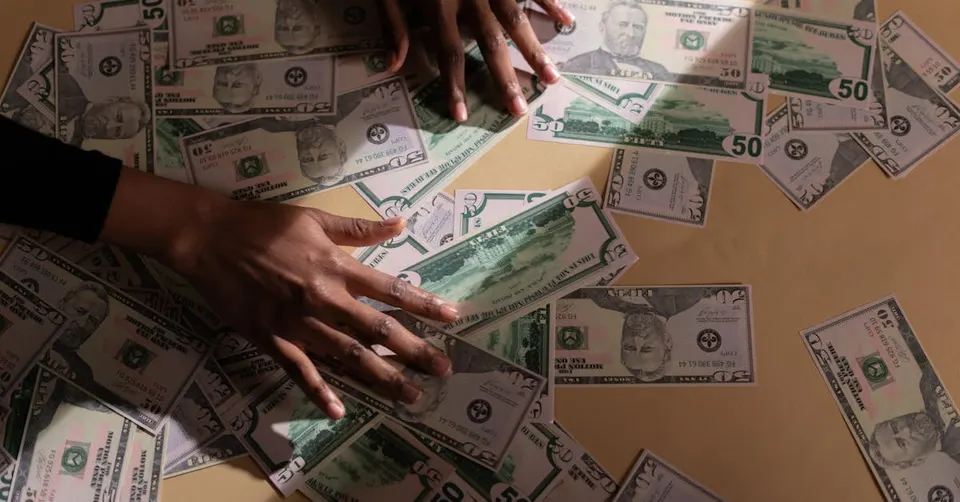
This divergence is noteworthy. Typically, in periods of geopolitical stress or rising inflation expectations, both the USD and gold tend to perform well as safe-haven assets. The USD's modest rise aligns with this, but gold's significant drop suggests other forces are at play. Globally, gold prices in USD have been sensitive to interest rate expectations and the strength of the US dollar itself. A stronger dollar globally often puts downward pressure on gold, as it becomes more expensive for holders of other currencies. Furthermore, any perceived easing of global tensions, even if localized, can lead to a reduction in safe-haven demand for gold.
---
Why This Matters: Geopolitics and the Global Economic Crosscurrents
The continued strikes and fighting in Gaza, Iran, and Lebanon, despite discussions of ceasefires, remain a significant geopolitical factor. News reports indicate that Hezbollah has rejected terms it considers a "virtual surrender," complicating US-brokered agreements [2]. This ongoing regional instability inherently fuels demand for safe-haven assets like the US dollar, as it represents a degree of stability and a global reserve currency. The warning shots fired by the Iranian Army Navy towards US destroyers in the Oman Sea [6] further underscore the persistent regional tensions, which can directly impact trade routes and investor confidence, often leading to a stronger USD against regional currencies.

On the global economic front, the cryptocurrency market is also showing signs of weakness, with Bitcoin experiencing a 2.8% drop as part of a broader decline in the CoinDesk 20 index [4]. This suggests a broader risk-off sentiment across speculative assets. News of Greece potentially imposing a 15% capital gains tax on cryptocurrencies [14] adds to regulatory headwinds for digital assets globally. These factors, combined with potential global interest rate adjustments and inflation data, create a complex environment where the demand for safe, tangible assets like gold can fluctuate, even amidst geopolitical unease. The drop in gold prices, therefore, might reflect a global recalibration of safe-haven demand, perhaps anticipating future economic conditions or a shift in central bank policies, rather than a complete absence of geopolitical risk.
---
Your Nuanced View: A Cautious Stance Amidst Volatility
My analysis suggests a cautious outlook for the Iranian Toman and a more uncertain, potentially volatile period for gold. The USD/IRR pair is likely to remain sensitive to regional geopolitical developments and the global economic environment. While the 0.2% uptick is not dramatic, it signals continued underlying demand for the dollar. Any escalation in regional conflicts would likely push USD/IRR higher, while significant de-escalation or positive news on sanctions relief (though not currently on the horizon) could provide some relief.
For gold, the recent sharp decline is concerning for holders. While I do not foresee a complete collapse, the factors driving the global price – including the strength of the USD and global interest rate expectations – are powerful. If global economic data continues to point towards a stronger-than-expected economy or sticky inflation that keeps interest rates higher for longer, gold could face further headwinds. Conversely, any unexpected global shock or a sharp dovish pivot from major central banks would quickly reignite demand for gold. The current price action suggests that the market is weighing global economic factors more heavily than immediate geopolitical risks for gold, a dynamic that could shift rapidly.
One significant factor to watch is the global interest rate environment. If major central banks signal a prolonged period of higher rates to combat inflation, this will continue to put pressure on gold. Conversely, any indication of rate cuts, driven by a weakening global economy, could provide a significant boost to gold prices. Additionally, the ongoing strategic maneuvering in the Middle East, particularly concerning Iran's regional influence and its relationship with groups like Hezbollah, will remain a critical driver for the USD/IRR. The effectiveness of international diplomacy in de-escalating these conflicts will be paramount.
Frequently Asked Questions
Why is the USD/IRR increasing slightly while gold is falling?
What specific geopolitical events are impacting the USD/IRR?
How do global interest rates affect the price of gold?
Could the situation in the Middle East lead to a significant drop in the Toman?
What is the outlook for gold prices in the short term?
The Dynamics of Currency Depreciation in Geopolitically Stressed Economies
Currency depreciation occurs when a nation's currency loses value relative to foreign currencies. This means that more units of the local currency are needed to purchase the same amount of a foreign currency, like the US dollar. While minor fluctuations are normal in global markets, significant or rapid depreciation, often seen in geopolitically stressed economies, can have profound effects, eroding purchasing power and destabilizing financial systems. It's a critical indicator of economic health and international confidence.
In economies facing geopolitical pressures, such as international sanctions, political instability, or regional conflicts, currency depreciation is often exacerbated by a confluence of factors. Sanctions can severely restrict a country's access to global trade and financial markets, reducing export revenues and the inflow of foreign currency. This scarcity of foreign exchange, combined with a lack of foreign investment due to heightened risk, creates strong downward pressure on the local currency. Furthermore, domestic economic headwinds like high inflation, large budget deficits, and a lack of economic diversification also contribute to a loss of confidence in the currency.
The immediate consequence for citizens is a sharp increase in the cost of imported goods, leading to "imported inflation." Their savings, held in the local currency, rapidly lose value, prompting a scramble for more stable assets. In such environments, there's often a significant demand for foreign currencies, particularly the US dollar, which is perceived as a more reliable store of value. This capital flight further weakens the local currency, creating a vicious cycle where depreciation fuels more depreciation.
While traditional safe-haven assets like gold are often sought during times of uncertainty, their behavior in severely depreciating economies can be complex. Locally, people might sell gold to acquire more liquid and internationally accepted foreign currency (like the USD) for essential needs or as a preferred safe haven, potentially leading to a local gold price tumble even as the national currency weakens. Understanding these dynamics is crucial for grasping how global events and domestic policies intertwine to shape economic realities in vulnerable nations.