The 2,300 Toman Tether Premium: Why Digital Dollars are Outpacing Gold and Cash in 2026
حباب ۲۳۰۰ تومانی تتر؛ چرا در بحران ۲۰۲۶ دلار دیجیتال از طلا و اسکناس سبقت گرفت؟
As political friction in Washington boils over and global inflation hits new highs, the Tehran market is showing a strange anomaly: USDT is trading at a massive premium over physical cash. We dive into why gold is winning the 24-hour race and what the Republican 'litany list' against Trump means for your savings.
At time of publishing
USD
165,450
Toman
Gold 18K
16.08M
Toman / gram
Bitcoin
$59,508
US Dollar
Tether
167,802
Toman
The Digital Bunker vs. The Physical Wallet
In the current climate of the 2026 US-Israeli conflict with Iran, the Tehran market has developed a peculiar hierarchy. As of this Thursday evening, physical USD is selling at 165,450 Toman, but its digital counterpart, USDT, has surged to 167,802 Toman. This gap of over 2,300 Toman per dollar isn't just a rounding error; it is a 'panic premium.' When physical borders are contested and the threat of sudden sanctions or banking freezes looms, the portability of a private key outweighs the security of a safe full of greenbacks. The market is effectively telling us that liquidity and exit-readiness are currently more valuable than the currency itself.
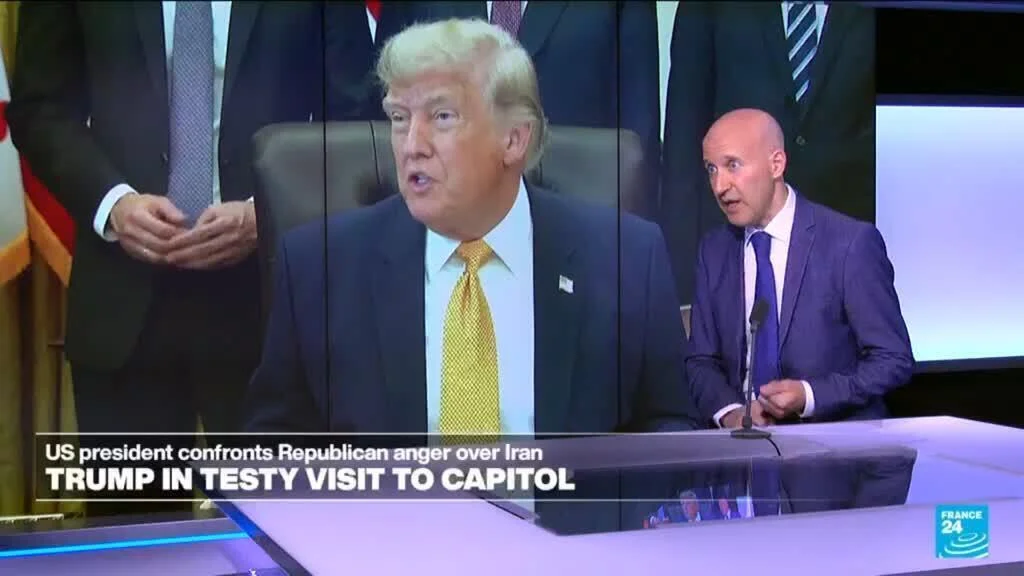
This premium is exacerbated by the internal chaos in the United States. Reports of a shouting match between President Trump and Senator Bill Cassidy highlight a 'growing litany list' of grievances within the Republican party regarding the conduct of the war. For an Iranian saver, this political instability in the West usually translates to one thing: unpredictability. When the world's reserve currency issuer is fighting itself behind closed doors, the demand for 'neutral' digital dollars like USDT skyrockets, even if it means paying a 1.4% markup over the street price of cash.
Gold: The Quiet Victor of the 24-Hour Cycle
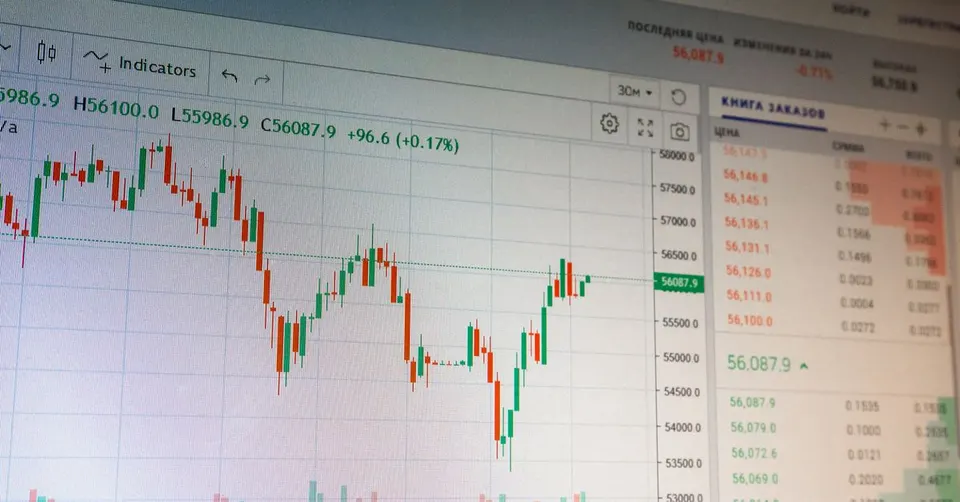
While the dollar saw a modest 0.5% rise today, jumping from 164,650 to 165,450 Toman, 18k gold stole the spotlight with a 1.4% surge. Moving from 15,856,687 to 16,082,690 Toman per gram, gold is reacting to a double-threat: regional war and global inflation. The latest PCE inflation gauge in the US has hit its highest level since 2023, sending Bitcoin tumbling below the $60,000 mark. In times when 'digital gold' (Bitcoin) fails to act as a hedge against inflation, 'analog gold' consistently steps up to the plate.
Gold’s performance today is particularly interesting when contrasted with the energy sector. ADNOC recently cut its Murban crude price to $101.48 as tensions in the Strait of Hormuz showed signs of a tentative ease. Usually, easing tensions would cool the gold market, but the internal US legislative gridlock—where the Supreme Court is issuing high-stakes opinions while Congress remains in a standoff—is keeping the risk premium high. For Iranians, 18k gold remains the most liquid 'hard' asset, outperforming even the Emami coin, which remained stagnant at 163,000,000 Toman today despite the underlying bullion's rise.

The Real Cost of a War Economy
It isn't just currency and gold that are shifting; the cost of living is being repriced in real-time. Apple’s announcement of price hikes for MacBooks and iPads, driven by a global memory crunch, serves as a reminder that inflation isn't just a number on a chart—it's the eroding purchasing power of the Toman. As the 'memory crunch' deepens, technological assets are becoming more expensive, mirroring the scarcity we see in the fuel markets of Russia, where refineries are being knocked out by drone strikes.
Choosing between USDT, physical USD, and gold in 2026 requires understanding these layers of risk. USDT offers the fastest exit but carries the highest price premium. Physical USD is cheaper but harder to move in a crisis. Gold offers the best protection against global inflation (PCE spikes) but requires physical storage. As the transition of power and policy in the UK and US continues to cause ripples, the Iranian market remains a mirror of global anxiety. The 1.4% jump in gold today suggests that for now, the 'old world' safety net is still the preferred choice when the 'new world' of digital assets and paper currencies feels too volatile to touch.

Watch
Trump, Cassidy clash over war powers vote in meeting with Republican senators
ABC News
Frequently Asked Questions
Why is USDT trading so much higher than physical USD in Tehran right now?
Why did 18k gold outperform the dollar in the last 24 hours?
How does the 'Republican litany list' against Trump affect the Toman exchange rate?
Is Bitcoin still a good inflation hedge compared to gold in 2026?
Understanding the USDT Premium in Iran’s Restricted Economy
In many countries under heavy sanctions or strict capital controls, the official exchange rate set by the central bank often diverges sharply from the rate that market participants are actually willing to pay. This gap creates a premium on assets that can be transferred across borders without the same restrictions—stablecoins like USDT (Tether) are a prime example. While USDT is pegged to the U.S. dollar at a 1:1 ratio in most markets, in Iran it frequently trades at 2,300 Toman (or more) per USDT, far above the official USD/IRR rate. The premium reflects the extra value users place on a digital dollar that can be moved instantly and stored outside the sanctioned banking system.
The mechanics behind the premium are essentially a form of arbitrage. Traders buy USDT on international exchanges where it is cheap (≈1 USD) and sell it on local Iranian platforms at the higher local price. Because the Iranian rial is subject to multiple exchange rates—official, market, and black‑market—the premium also mirrors the risk premium demanded for operating in a volatile, sanction‑heavy environment. This dynamic often pushes investors toward alternative stores of value, such as gold, which historically serves as a hedge against inflation and currency devaluation. However, unlike gold, USDT can be transferred instantly, making it attractive for everyday transactions and remittances.
The premium has broader macroeconomic implications. A high USDT premium signals a lack of confidence in the national currency and can exacerbate inflationary pressures measured by indicators like the Personal Consumption Expenditures (PCE) index. Moreover, it underscores the growing competition between digital dollars and physical cash in economies where the state’s ability to control money supply is weakened. Policymakers watching the premium can gauge the effectiveness of sanctions and the demand for parallel financial systems, informing decisions on exchange‑rate policy and monetary reform.
For anyone interested in the phenomenon, it is useful to understand three key take‑aways: (1) a premium reflects the scarcity and utility of a cross‑border asset under restriction; (2) arbitrage opportunities arise when there is a price gap between global and local markets; and (3) the premium can act as a barometer of economic stress, influencing both investor behavior and policy responses.