
The Kharg Island Premium: Why Gold, USDT, and the Toman are Decoupling Under Fire
حقالعمل بحران در جزیره خارگ: چرا طلا، تتر و تومان از هم فاصله گرفتند؟
As reports of missile strikes near Kharg Island send the Toman tumbling 2.8% in a single day, a strange gap has opened between physical gold and digital dollars. We analyze why the Emami coin is lagging behind the dollar's sprint and whether USDT's current discount is a trap or an opportunity.
At time of publishing
USD
228,500
Toman
Gold 18K
23.70M
Toman / gram
Bitcoin
$79,742
US Dollar
Tether
226,888
Toman
The 2.8% Shock: When Geopolitics Meets the Toman
The Iranian market woke up to a sharp reality check this Saturday evening. The USD sell rate surged from 222,200 to 228,500 Toman, marking a 2.8% jump that has left local traders scrambling. This isn't just a routine fluctuation; it is a direct reaction to reports from Iranian state media claiming that U.S. missiles hit an Iranian oil tanker near the critical Kharg Island hub. While the U.S. military has not confirmed these strikes, the mere suggestion of an escalation in the Persian Gulf—combined with Donald Trump’s recent boasts about an 'unbelievable' blockade on Iranian oil—has sent the 'Kharg premium' straight into the exchange rates.
For the average saver, this move highlights the extreme sensitivity of the physical dollar. Unlike other assets, the cash dollar in Tehran reacts instantly to 'war drums.' However, we are seeing a fascinating divergence. While physical USD is nearing the 230,000 threshold, USDT (Tether) is trading at 226,888 Toman. This significant discount suggests that while the street is panicked, the digital liquidity providers are either more skeptical of the news or are seeing a massive inflow of capital seeking a quick exit into global markets. If you are looking for a hedge, the digital dollar is currently 'cheaper' than the paper in your pocket, a rare occurrence during a localized security crisis.
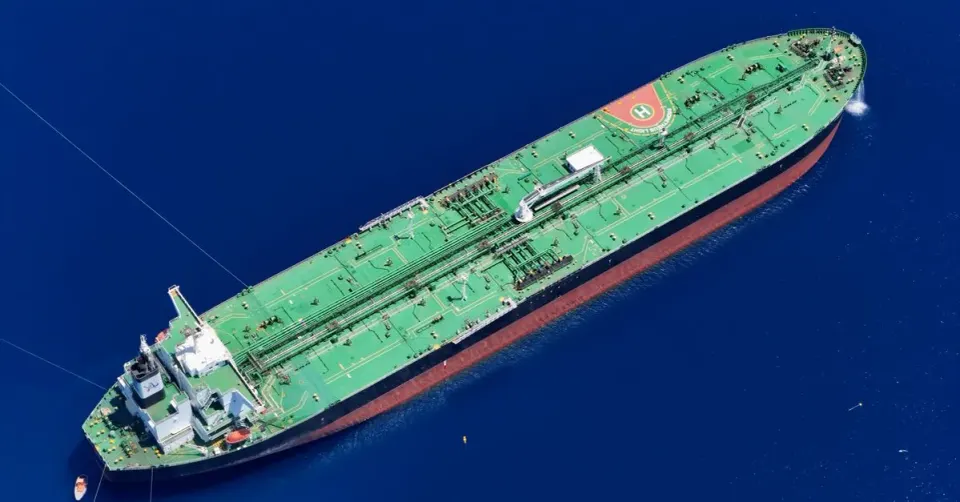
Gold's Dilemma: Why Coins are Lagging Behind the Ounce
Traditionally, gold is the ultimate sanctuary for Iranians during times of conflict. Today, 18k gold per gram rose by 2.4%, reaching 23,696,846 Toman. This move closely tracked the dollar’s ascent. Yet, the Emami coin told a different story, rising only 1.5% to 237,500,000 Toman. This lag is a classic sign of 'bubble exhaustion.' When the underlying price of gold and the dollar move too fast, the secondary market for minted coins often fails to keep pace because the 'Hobab' (premium) is already stretched to its limit.
What does this mean for you? If you bought Emami coins today, you essentially gained less protection than if you had simply held raw 18k gold or physical dollars. The liquidity of the Emami coin is being tested by the sheer velocity of the Toman's devaluation. In a scenario where oil prices top $90 and regional fighting in Yemen escalates—as seen in the recent Houthi offensive that claimed 60 lives—the 'intrinsic' value of gold becomes more attractive than the 'speculative' value of minted coins. Investors are currently favoring the purity of the metal over the prestige of the coin.
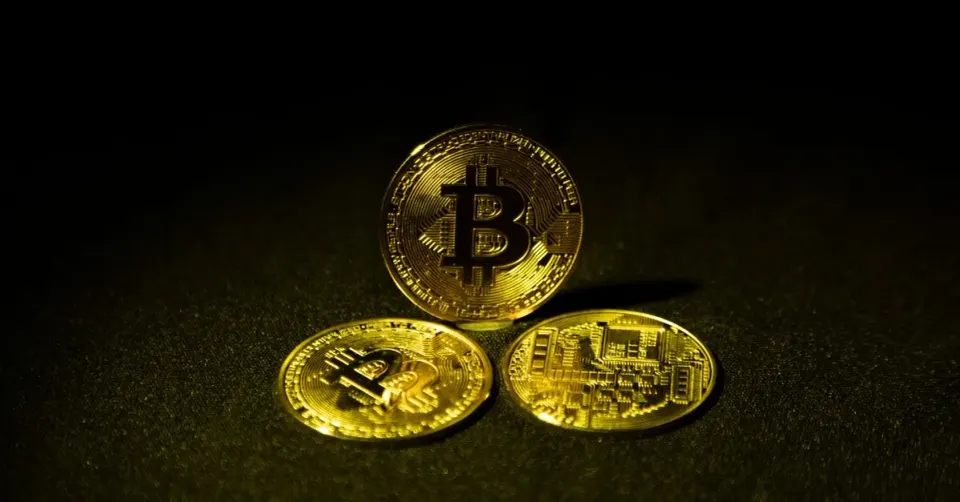
The Global Seesaw: Putin’s Pause vs. Regional Chaos
While the local market is on fire, the global backdrop offers a confusing mix of signals. Vladimir Putin has reportedly ordered a pause in strikes on Kyiv specifically to accommodate a visit by U.S. envoys Jared Kushner and Steve Witkoff. This attempt to revive peace talks in the North could theoretically lower global risk appetite, which usually cools down gold prices. However, for the Iranian reader, the 'Northern Peace' is overshadowed by the 'Southern Storm.' The escalation in Yemen and the tensions around Kharg Island are far more immediate drivers of the Toman's fate than a potential ceasefire in Ukraine.
Furthermore, the rhetoric from Washington remains a primary headwind. With the U.S.-led Board of Peace being labeled as 'biased' by groups like Hamas, the diplomatic channels that usually provide a 'safety valve' for the Toman appear to be clogged. This leaves the Iranian economy in a defensive crouch. As we look toward 2025, the choice between Bitcoin (now flirting with $80,000) and gold is becoming a choice between 'global growth' and 'local survival.' Bitcoin’s 40% explosion from its July lows shows it is a vehicle for those betting on a tech-driven future, while gold at $4,431 an ounce remains the anchor for those just trying to make it through the week.
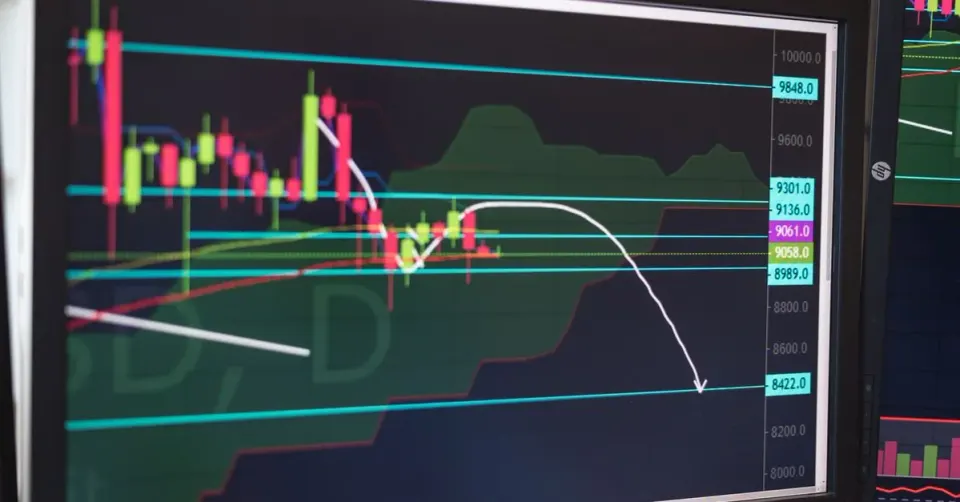
Summary: The Decision Matrix
If your goal is immediate liquidity in a crisis, the physical dollar is king, but you are paying a heavy 'panic tax' at 228,500 Toman. If you are looking for value, USDT at 226,888 offers a nearly 1% discount compared to cash, provided you are comfortable with digital custody. Gold remains the steadiest hand, but the 18k gram is currently outperforming the Emami coin in terms of capturing the daily move. In an environment where state media claims and military silence collide, the smartest move is often to look at the gaps between these assets—because those gaps tell you exactly where the fear is highest.
Concept Diagram
Watch
Witkoff, Kushner to visit Moscow and Kyiv in renewed push to end Russia-Ukraine war
CBS News
Frequently Asked Questions
Why is USDT cheaper than physical USD in Tehran right now?
Is 18k gold a better investment than Emami coins currently?
How do the Russia-Ukraine peace talks affect the Iranian Toman?
Currency Substitution and the Quest for Stability in Volatile Economies
In economies grappling with high inflation, political uncertainty, and a loss of confidence in domestic monetary policy, a phenomenon known as currency substitution often takes hold. This occurs when residents increasingly turn to stable foreign currencies, or even hard assets and digital stablecoins, to perform functions traditionally served by their national currency – acting as a store of value, a medium of exchange, or a unit of account. It's a pragmatic response by individuals and businesses seeking to protect their wealth and facilitate transactions when the local currency's purchasing power is rapidly eroding.
The "decoupling" described in the headline, where assets like gold, USDT (a stablecoin pegged to the US dollar), and the Iranian Toman behave independently or even inversely, is a classic symptom of advanced currency substitution. When a domestic currency like the Toman faces significant devaluation pressures, people naturally flock to perceived safe havens. Gold has historically served this role, and in the digital age, stablecoins like USDT offer a convenient, albeit sometimes volatile, alternative to holding physical foreign currency. Events that heighten risk, such as a hypothetical incident at Kharg Island (a critical oil export terminal for Iran), can dramatically accelerate this flight, creating a "premium" on these alternative assets as demand surges.
The implications of widespread currency substitution are profound for a nation's economic sovereignty and stability. It severely limits the central bank's ability to conduct effective monetary policy, as a significant portion of economic activity bypasses the national currency. It can also exacerbate inflation, as reduced demand for the local currency further weakens its value. For ordinary citizens, it means a constant struggle to preserve savings and navigate a complex, multi-currency economic landscape, often leading to increased inequality as those with access to foreign currency or hard assets fare better than those reliant solely on the depreciating local tender.
Topics
Related Articles