The Bab el-Mandeb Squeeze: Comparing USDT and Physical Gold as Regional Tensions Test the Toman
فشار در بابالمندب: مقایسه تتر و طلای فیزیکی در حالی که تنشهای منطقهای تومان را آزمایش میکند
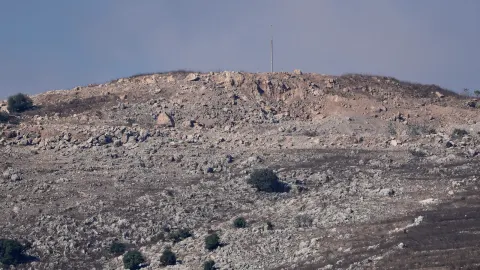
As Houthi escalations in the Red Sea test regional stability, the Toman has seen a slight recovery despite the geopolitical noise. We analyze whether digital USDT or physical gold offers better protection for Iranian savers as the regional 'risk premium' fluctuates.
At time of publishing
USD
231,600
Toman
Gold 18K
23.60M
Toman / gram
Bitcoin
$77,155
US Dollar
Tether
229,813
Toman
The Geopolitical Premium and the Red Sea Crisis
The evening session in Tehran opened with a fascinating contradiction. While headlines from France 24 and Al Jazeera highlight an intensifying conflict in the Bab el-Mandeb Strait—a vital chokepoint for global trade—the Iranian Toman actually clawed back some ground. The USD sell rate dipped 0.9% to 231,600 Toman, a move that suggests the market had already 'priced in' much of the regional dread. This cooling off period provides a critical window for savers to evaluate their positions. When the Houthis test regional influence, they aren't just launching projectiles; they are launching volatility into the Iranian portfolio.
For the average observer, the immediate reaction to conflict is to buy physical assets. However, the current data tells a more nuanced story. Gold 18k per gram fell by 1.1% today, settling at 23,599,889 Toman. This drop, slightly steeper than the dollar's decline, reflects a cooling in global gold prices which currently sit at $4,349.70 per ounce. In Iran, the 'bubble' in gold coins often expands during high-tension periods, but as we see with the Emami coin's 1.5% drop to 236,000,000 Toman, that bubble can deflate rapidly when the expected escalation fails to materialize immediately.

USDT vs. Physical Cash: The Digital Liquidity Edge
One of the most striking numbers in today's snapshot is the price of USDT at 229,813 Toman. This puts the digital dollar at a nearly 1,800 Toman discount compared to the physical USD sell rate. Historically, during moments of extreme crisis or border closures, physical cash becomes a liability. You cannot easily transport large sums of paper currency across a border, nor can you exchange it instantly at 3:00 AM if a major geopolitical shift occurs. USDT, on the other hand, offers 24/7 liquidity. The recent news of Reform UK receiving £72 million in crypto donations underscores a global shift: digital assets are no longer fringe; they are tools of high-stakes finance and politics.
However, the 'Tether discount' we see today is a double-edged sword. It suggests that while the physical market is tight, the digital market is currently more liquid and perhaps less prone to the panic-buying that drives up the price of paper bills in the streets of Ferdowsi. For an Iranian saver, the choice between USDT and physical dollars often comes down to a trade-off between the security of holding a physical object and the agility of a digital wallet. If the Red Sea situation leads to further sanctions or banking restrictions, the ability to move wealth across borders digitally may outweigh the comfort of a stack of greenbacks under a mattress.
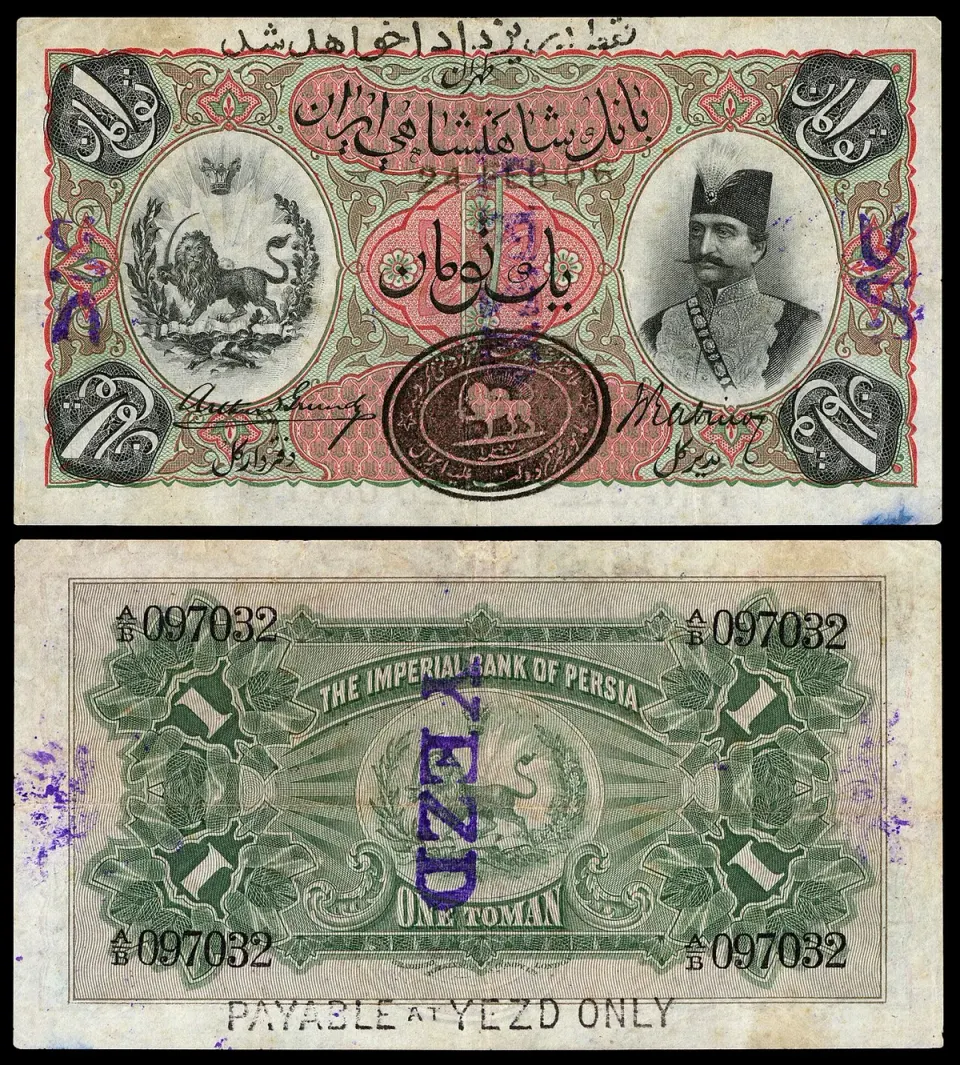
Gold's Heavy Burden in a Fast-Moving World
While gold is the traditional 'safe haven,' its performance today—a 1.1% drop for 18k and a 1.5% drop for Emami coins—reminds us of its inherent risks. Gold in Iran is subject to two masters: the global ounce price and the local USD/IRR exchange rate. When both move downward, as they did today, the correction can be painful. Furthermore, the liquidity of an Emami coin is not absolute. During peak panic, spreads between buy and sell prices in the bazaar can widen significantly, making it expensive to exit a position.
In contrast, the broader global market is currently obsessed with corporate profits and AI-driven growth. As MarketWatch reports, tech sectors are issuing upbeat outlooks despite geopolitical headwinds. This creates a massive disconnect for the Iranian investor. While the world looks toward 2026 as a year of AI-driven efficiency, the Iranian market remains tethered to the proxy wars in Yemen and the stability of shipping lanes. For those looking for a long-term hedge, gold remains the king of stability, but for those needing to remain mobile and responsive to a rapidly changing Middle Eastern map, the digital dollar (USDT) is increasingly looking like the more strategic 'war chest' asset.

The Final Verdict: Diversification as Defense
The lesson of September 13, 2026, is that no single asset is a perfect shield. The Toman's 0.9% gain against the dollar today shows that even in the shadow of the Houthi escalation, the market can find reasons to breathe. Relying solely on physical gold leaves you vulnerable to local market 'bubbles' and physical theft. Relying solely on USDT leaves you at the mercy of internet stability and exchange platform risks. The smartest move in this environment isn't picking a winner; it's recognizing that in 2026, your financial security is as much about how fast you can move your money as it is about what that money is made of.
Concept Diagram
Frequently Asked Questions
چرا قیمت تتر از دلار فیزیکی در بازار تهران ارزانتر است؟
در زمان درگیریهای منطقهای، طلا بهتر است یا ارز دیجیتال؟
آیا افت ۱.۵ درصدی سکه امامی نشاندهنده پایان روند صعودی است؟
Gold and Stablecoins: Navigating Geopolitical Risk as Alternative Stores of Value
In times of heightened geopolitical tension and domestic economic instability, a nation's currency often faces severe depreciation, eroding the purchasing power of its citizens. This scenario compels individuals and businesses to seek out alternative 'stores of value' – assets that are expected to retain their worth over time, even as the local currency falters. The recent focus on the Iranian Toman amidst regional crises, such as the Bab el-Mandeb squeeze, highlights this urgent need, prompting a comparison between traditional safe havens like physical gold and newer digital alternatives like stablecoins (e.g., USDT).
Physical gold has historically served as the quintessential store of value. Its intrinsic worth, universal acceptance, and tangibility make it a reliable hedge against inflation and currency devaluation. In times of crisis, gold often sees increased demand as investors flock to its perceived safety. However, owning physical gold comes with its own set of challenges, including storage costs, security risks, and potential difficulties in large-scale liquidity and transfer, especially across borders or under sanctions.
Stablecoins, such as Tether (USDT), represent a modern digital alternative. Designed to maintain a stable value by being pegged to a reserve asset (typically the US dollar), stablecoins offer a digital means to preserve wealth. For individuals in economies like Iran, stablecoins can provide a critical lifeline, offering a way to bypass traditional banking systems, facilitate international transactions, and protect savings from hyperinflation or currency controls. Their ease of transfer, divisibility, and accessibility through various platforms are significant advantages.
However, stablecoins are not without their risks. They are subject to regulatory uncertainties, the solvency and transparency of their issuers (counterparty risk), and the inherent technical risks of the underlying blockchain technology. While gold offers the security of a physical, universally recognized asset, stablecoins offer liquidity, speed, and a degree of anonymity in transactions that can be crucial in sanctioned environments. The choice between them often depends on individual risk tolerance, access to financial infrastructure, and the specific nature of the economic and political pressures at play.
Ultimately, both gold and stablecoins serve as vital tools for wealth preservation when national currencies are under duress. Their comparative advantages and disadvantages illustrate the evolving landscape of financial resilience, where traditional assets coexist with innovative digital solutions, each offering unique benefits and risks in the face of geopolitical and economic instability.
Topics
Related Articles