Gold's Glint vs. Dollar's Grip: Navigating Iran's Savings Dilemma Amid Global Market Shifts
درخشش طلا یا قدرت دلار: کدام گزینه برای پسانداز ایرانیان در میان نوسانات بازار جهانی امنتر است؟
As global markets face new uncertainties, Iranians grapple with a crucial decision: where to park their savings. With both gold and the dollar seeing slight dips, understanding their unique risks and benefits against a backdrop of geopolitical tension is more critical than ever.
At time of publishing
USD
230,600
Toman
Gold 18K
23.20M
Toman / gram
Bitcoin
$75,825
US Dollar
Tether
229,006
Toman
The age-old question of whether to trust gold or the U.S. dollar with one's savings takes on renewed urgency for Iranians, especially as global markets navigate a turbulent period. Economic stability at home is inextricably linked to international dynamics, and recent signals from Wall Street, coupled with regional geopolitical tremors, are making the choice between the tangible security of gold and the perceived strength of the dollar more complex. Both assets, traditionally seen as safe havens, have shown slight dips in value over the last 24 hours, prompting a closer look at their current standing.
Global Headwinds and Local Echoes
Recent reports from Wall Street indicate a growing caution among financial analysts. One prominent firm has notably lowered its S&P 500 year-end target, a move signaling that the stock market rally seen earlier this year might be running out of steam. This sentiment often translates into a broader shift away from riskier assets and towards perceived safe havens, but even these traditional havens are not immune to volatility. For Iranians, this global apprehension is amplified by regional events, creating a mosaic of uncertainty that directly impacts investment decisions and inflation expectations.
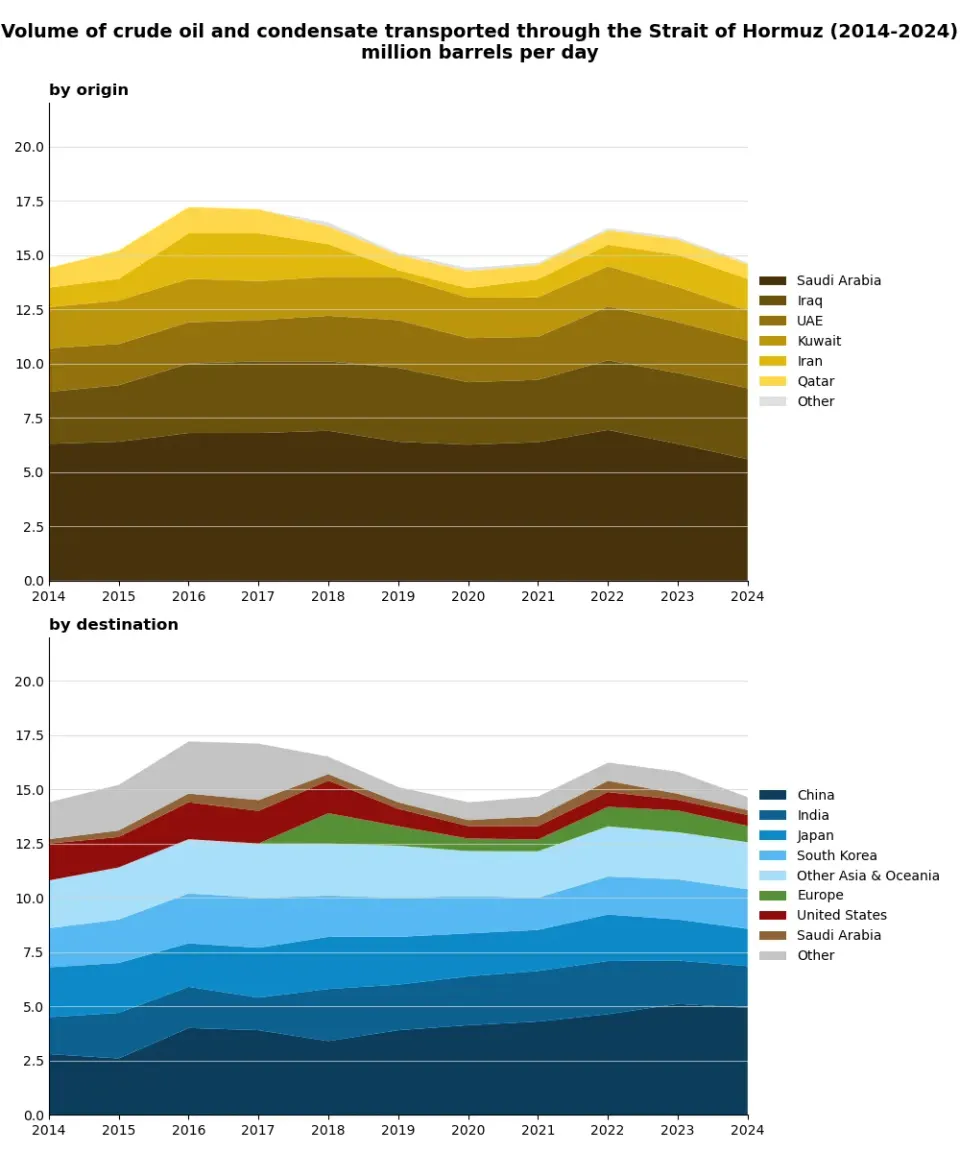
The regional landscape also presents significant challenges. Experts confirm major damage to a crucial oil pipeline, potentially cutting global oil supplies by as much as 3.6 million barrels per day. Such disruptions inevitably put upward pressure on energy prices, fueling inflation globally and domestically. Concurrently, the Strait of Hormuz remains a flashpoint, with reports of a tanker attack leading to two sailors missing. While Iran claims the vessel hit mines, the U.S. alleges a missile and drone strike. These incidents underscore the persistent geopolitical risks in the region, which directly influence the perceived safety and accessibility of foreign currencies and commodities.
The Dollar's Enduring, Yet Shifting, Appeal
For many Iranians, the U.S. dollar has long served as a primary hedge against local currency depreciation and economic uncertainty. Its widespread acceptance and relative stability, despite its own fluctuations, make it a go-to asset for preserving purchasing power. However, the dollar's appeal is not without its complexities. In the last 24 hours, the USD/IRR exchange rate saw a slight dip from 231,200 to 230,600 Toman, marking a -0.3% change. While minimal, such movements highlight that even the dollar is subject to market forces and global sentiment.
Beyond market fluctuations, the practicalities of holding physical dollars in Iran present their own set of risks, including issues of access, security, and the shadow of international sanctions. These factors lead some to consider digital alternatives like USDT. However, even stablecoins carry inherent risks, as evidenced by a recent report detailing how Tether's USDT was part of a failed $230 million oil deal involving a Polish energy giant. Such incidents serve as a stark reminder that even seemingly stable digital assets are not entirely immune to operational and counterparty risks. Meanwhile, Iran's Interior Minister heading to Turkey for talks on security cooperation, as reported by IRNA, reflects ongoing efforts to stabilize regional dynamics, which could indirectly influence confidence in the local currency and, by extension, the demand for foreign currencies.
Gold's Tangible Lure and Market Realities
Gold, in its various forms, represents a different kind of security for many. Its tangibility and historical role as a store of value make it a deeply ingrained part of Iranian savings culture. Unlike the dollar, which can be subject to digital freezes or physical confiscation, gold offers a sense of direct ownership and resistance to certain geopolitical pressures. However, gold is not immune to market volatility either. Over the past 24 hours, 18k gold per gram saw a price change from 23,292,857 to 23,200,517 Toman, a -0.4% decline. The Emami coin experienced a more significant drop, from 234,000,000 to 231,500,000 Toman, a -1.1% change.
While gold's intrinsic value is appealing, its liquidity can be a concern, particularly for larger holdings or in times of crisis. Converting physical gold back into cash can involve transaction costs and potential delays. The choice between holding gold in the form of coins, such as the Emami coin, or as raw 18k gold, also comes down to factors like premium, purity, and ease of resale. As global markets react to tech trends, with the Gates Foundation pledging $1 billion to combat AI inequality, the broader sentiment can still ripple into traditional asset classes, impacting investor psychology. Ultimately, the decision between gold and the dollar as a savings vehicle hinges on an individual's risk tolerance, investment horizon, and their assessment of both global economic trends and regional stability.
The Bigger Picture
The contrasting fortunes of gold and the dollar in the Iranian context reflect a complex interplay of international economic signals, regional geopolitical tensions, and individual financial strategies. The S&P 500's revised outlook suggests a period of global market uncertainty, pushing investors to re-evaluate their portfolios. Concurrently, developments like the oil pipeline damage and the Strait of Hormuz incident inject a layer of regional risk that cannot be ignored. These factors collectively contribute to an environment where traditional safe-haven assets are themselves experiencing fluctuations, challenging the conventional wisdom surrounding them.
For Iranian savers, the decision is rarely black and white. It involves weighing the historical resilience of gold against the practical utility and international acceptance of the dollar, all while navigating a unique domestic economic landscape. Both assets offer distinct advantages and drawbacks, and their recent price movements serve as a reminder that no investment is entirely risk-free. Understanding these nuances, rather than simply reacting to daily price changes, is key to making informed decisions that align with personal financial goals and risk appetite in such volatile times.
Concept Diagram
Frequently Asked Questions
How do international events like the S&P 500 outlook affect USD and gold prices in Iran?
What are the specific risks of holding physical USD in Iran, beyond market fluctuations?
Is Emami coin a better investment than 18k gold per gram for liquidity?
How do regional geopolitical tensions, like those in the Strait of Hormuz, influence the appeal of gold vs. USD?
What role do stablecoins like USDT play in this comparison, given their recent controversies?
The Concept of an Inflation Hedge
Inflation, the persistent rise in the general price level of goods and services, erodes the purchasing power of money over time. When inflation is high or unpredictable, individuals and investors seek ways to protect the real value of their savings. This pursuit leads to the concept of an inflation hedge: an asset or investment specifically chosen for its ability to maintain or increase its value during periods of rising prices, thereby preserving the holder's purchasing power. Without such hedges, savings held in cash or low-yielding assets would steadily lose their real value.
Historically, precious metals like gold have been the quintessential inflation hedge. Gold's intrinsic value, its limited supply, and its role as a universal store of value across cultures and centuries allow it to often retain or even appreciate in value when fiat currencies are losing theirs. Unlike paper money, gold cannot be printed into existence by central banks, making it immune to the inflationary pressures caused by monetary expansion. This characteristic makes gold particularly attractive in times of economic uncertainty and currency instability, acting as a tangible safeguard against the erosion of wealth.
Beyond traditional commodities, strong and stable foreign currencies can also function as an inflation hedge, especially in economies grappling with high domestic inflation and currency depreciation. For instance, in countries where the local currency is rapidly losing value, holding savings in a globally recognized and relatively stable currency like the US Dollar can effectively shield wealth from local inflationary pressures. The dollar's status as the world's primary reserve currency and its perceived stability make it a preferred alternative for savers seeking to preserve their purchasing power when their national currency is volatile.
However, relying on inflation hedges like gold or foreign currencies is not without its own set of considerations. While they offer protection against local inflation, they are still subject to market volatility, geopolitical risks, and exchange rate fluctuations against other major currencies. The “savings dilemma” often involves balancing the need to preserve purchasing power against the risks associated with these hedging assets, requiring careful consideration of individual circumstances and the broader economic landscape.