
Gold, USDT, or Cash? Navigating the New Sanctions Storm in Tehran as Global Markets Shiver
طلا، تتر یا دلار کاغذی؟ استراتژی حفظ سرمایه در میانه طوفان تحریمهای جدید و نوسانات جهانی
As the US Congress pushes through a massive new sanctions bill targeting Iran and Russia, the Toman is entering a new phase of volatility. We break down the narrative shift between physical gold, USDT, and the traditional dollar to see which vehicle actually protects your purchasing power in 2026.
At time of publishing
USD
228,600
Toman
Gold 18K
23.29M
Toman / gram
Bitcoin
$76,307
US Dollar
Tether
226,802
Toman
The Sanctions Trigger: A New Reality for the Toman
The legislative halls of Washington have once again sent a tremor through the streets of Tehran. On September 16, the US House of Representatives passed the Lindsey O. Graham Sanctioning Russia and Iran Act of 2026 with a decisive 262-159 vote. This bill, now heading to President Trump’s desk, isn't just another piece of paper; it represents a tightening noose on the financial channels that sustain the Iranian economy. While the market saw a slight 0.9% dip today—with USD selling at 228,600 Toman and Gold 18k falling to 23,292,857 Toman—this looks less like a recovery and more like the breath taken before a plunge. Investors are currently weighing the impact of these 'sweeping' measures, which specifically target the financing of regional conflicts and energy exports.
Historically, Iranians have defaulted to the 'Greenback' as their primary shield. However, the current landscape is far more complex than it was a decade ago. The energy markets are currently grappling with what analysts call 'war uncertainty,' with Yahoo Finance reporting that modeling an endgame for the current Middle East tensions has become nearly impossible. This uncertainty is reflected in the price of Gold, which sits at a staggering $4,355.60 per ounce globally. When global fear rises, gold becomes the world's currency, but for an Iranian, the local premium on an Emami coin (now at 232,000,000 Toman) adds a layer of risk that cash dollars don't carry.
USDT vs. Physical Dollars: The Digital Divide
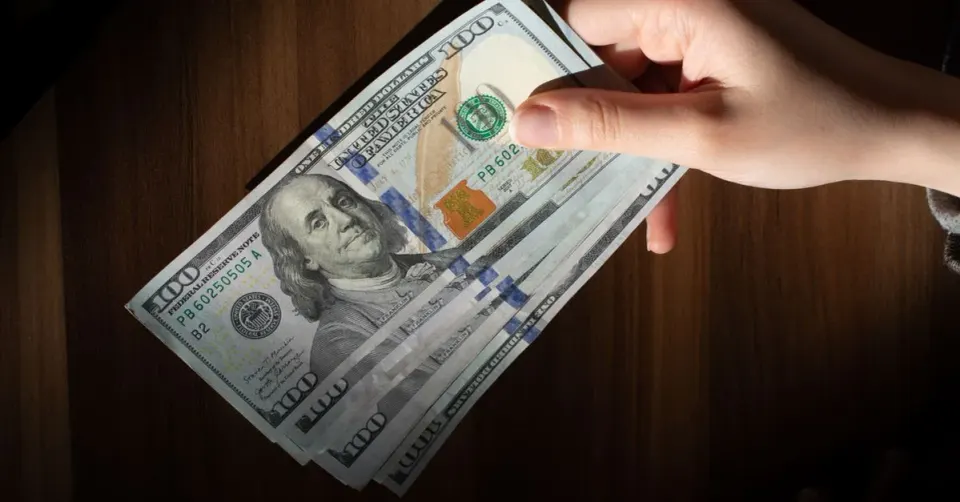
One of the most striking observations in today's snapshot is the price discrepancy between physical USD (228,600 Toman) and USDT (226,802 Toman). Usually, the digital dollar carries a premium for its ease of movement, but today we see it trading nearly 1,800 Toman cheaper than its paper counterpart. This suggests a surge in local demand for physical 'under-the-mattress' cash as geopolitical tensions rise. While USDT offers unparalleled liquidity and the ability to exit into global markets like Bitcoin (currently at $76,307), it remains vulnerable to the very internet shutdowns and censorship the Iranian government frequently employs during times of unrest.
Furthermore, the regional security situation—highlighted by the recent sentencing of an IS member for the 2021 Kabul airport bombing—reminds us that regional instability often leads to sudden capital flight. For those looking to move large sums across borders, USDT is the clear winner. However, for the average household looking to hedge against a 30% jump in energy bills or local inflation, the physical dollar remains a psychological anchor. The 'convenience fee' of digital assets is currently being traded for the 'tangibility' of paper currency, a classic behavior during periods of high-intensity sanctions talk.
Gold: The Ultimate Hedge or a Liquidity Trap?
Gold has always been the 'grandmaster' of Iranian savings. But at 23.2 million Toman per gram, is it still accessible? The 0.9% drop in gold prices over the last 24 hours mirrors the dollar's decline, showing a tight correlation in the domestic market. However, gold faces a unique challenge in 2026: the spread. Selling an Emami coin back to a dealer often involves a significant haircut, whereas the USD/IRR spread is much tighter. If you need money tomorrow to cover an emergency, gold might be your most expensive 'cheap' asset due to these transaction costs.
Looking toward 2027, the geopolitical shift in Europe—exemplified by Swedish PM Kristersson’s resignation and the subsequent uncertainty in EU-Iran relations—suggests that the Toman will remain under immense pressure. Macron’s emergency meetings in Paris regarding energy market consequences only reinforce the idea that we are in a high-inflation era. In this environment, gold isn't just a saving vehicle; it’s a bet against the stability of the entire global financial order. Whether you choose the 18k gram for its divisibility or the Emami coin for its prestige, the underlying truth remains: in a world of 'maths missiles' and sanctions bills, holding Toman is the only guaranteed way to lose value.

Concept Diagram
Frequently Asked Questions
Why is USDT cheaper than physical cash in Tehran right now?
How does the new US sanctions bill affect the gold price in Iran?
Is Bitcoin a better hedge than gold for Iranians in 2026?
Understanding Currency Substitution Amidst Sanctions
Currency substitution is an economic phenomenon where residents of a country opt to use a foreign currency, or other stable assets like gold or cryptocurrencies, alongside or instead of their domestic currency for transactions, savings, or as a unit of account. This shift typically occurs when there's a significant loss of confidence in the local currency, often driven by high inflation, economic instability, or a lack of trust in government economic policies. People seek more reliable stores of value to protect their wealth and facilitate trade, especially when the local currency's purchasing power is rapidly eroding.
In the context of countries like Iran facing stringent international sanctions, currency substitution becomes a critical survival strategy. Sanctions severely restrict a nation's access to global financial systems, limit its export revenues (especially from critical sectors like energy), and often lead to domestic economic contraction and rampant inflation. As the local currency (e.g., the Iranian Rial or Toman) depreciates sharply against major international currencies like the U.S. dollar, its utility as a reliable medium of exchange or a stable store of value diminishes significantly. This pushes individuals and businesses to seek alternatives.
For Iranians, this often means turning to assets perceived as more stable: foreign cash (primarily USD, though access is limited), physical gold, or increasingly, stablecoins like Tether (USDT). These alternatives serve as a hedge against the Toman's volatility and a means to conduct transactions that might be difficult or impossible using the official banking system. While offering a degree of financial resilience to individuals, widespread currency substitution can undermine the central bank's monetary policy control, foster informal markets, and complicate economic management, leading to a dual economy where official and unofficial exchange rates diverge dramatically.