Fed’s Shadow and Regional Jitters: Why Tehran Gold Surged 1.1% While the Toman Held Firm
سایه فدرال رزرو و تنشهای منطقهای: چرا طلا در تهران ۱.۱٪ گران شد اما دلار عقبنشینی کرد؟
Despite a 0.3% dip in the USD/IRR rate, gold prices in Tehran climbed over 1% today, driven by a volatile mix of Middle Eastern military escalations and global energy anxiety. As the Federal Reserve prepares for a pivotal rate decision, we examine the decoupling of domestic gold from the dollar.
At time of publishing
USD
230,600
Toman
Gold 18K
23.51M
Toman / gram
Bitcoin
$75,578
US Dollar
Tether
230,486.775
Toman
Key figures
US Dollar
230,600
Iranian Toman
↓ 0.26% todayBitcoin
$75,578
US Dollar
The Great Decoupling: Data vs. Sentiment
As of the evening session on Wednesday, September 16, 2026, the Iranian market is witnessing a fascinating divergence. The USD/IRR rate has retreated slightly, moving from 231,200 to 230,600 Toman, marking a 0.3% decrease. In a typical market environment, one might expect gold to follow suit or remain stagnant. However, the reality on the ground is different: 18k gold rose by 1.1% to reach 23,512,165 Toman per gram, and the Emami coin followed the same trajectory, climbing 1.1% to 234,000,000 Toman. This suggests that the domestic gold market is currently being fueled by factors far beyond simple currency fluctuations.
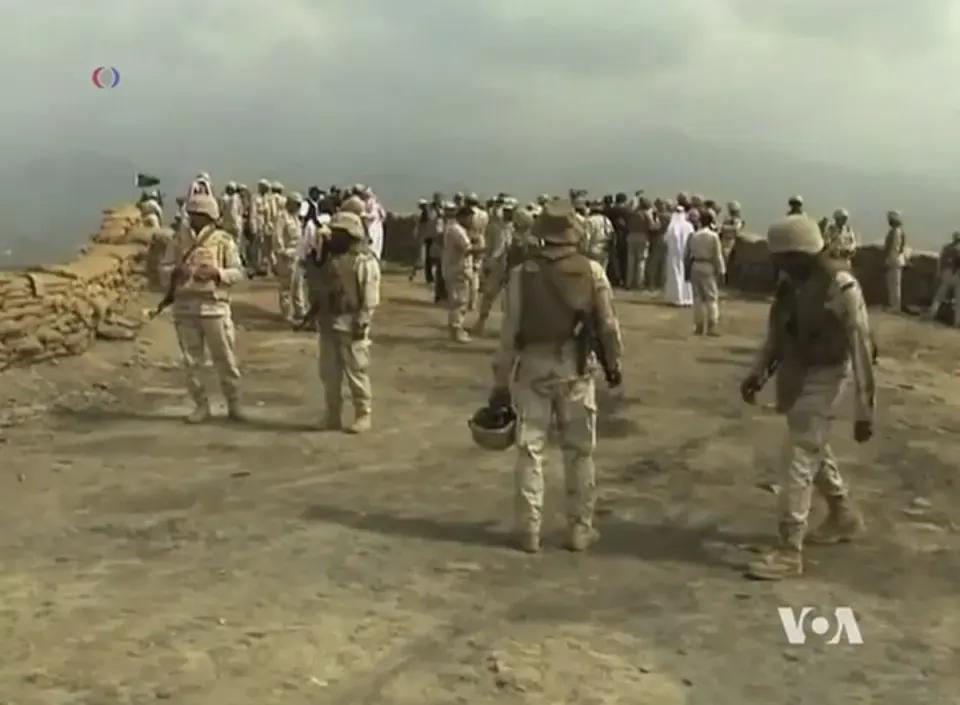
The primary driver for this surge appears to be a renewed sense of geopolitical risk. Reports of military escalations between the Houthi militia and Saudi Arabia—including claims of a downed jet and drone attacks near Mecca—have sent a ripple of unease through the Persian Gulf. In the Iranian context, gold remains the ultimate hedge against regional instability. When the drums of war beat louder, the demand for physical gold often overrides the technical movements of the exchange rate, leading to the price premium we are seeing today.
The Bullish Case: Energy Crises and Safe Havens
Beyond the immediate regional borders, global energy markets are adding fuel to the fire. In Europe, natural gas prices at the Dutch TTF hub have surged to $92.95, driven by record-low storage levels in Germany. The German government is currently weighing market incentives to boost these levels, which are at their lowest in over a decade. For the Iranian investor, high energy prices globally translate to persistent global inflation, which historically supports higher gold prices. If energy supply disruptions continue in the Middle East, the 'fear premium' in gold could expand even further.
Furthermore, the crypto market remains a secondary outlet for this anxiety. While Bitcoin is trading at $75,578, the development of new financial rails, such as Payward's plan to offer perpetual futures on the Hyperliquid protocol, shows that institutional interest in alternative assets is not slowing down. In Iran, the USDT/Toman rate remains tightly correlated with the free market dollar, but the underlying demand for 'hard assets' is clearly shifting toward gold as the most liquid and traditional store of value during times of heightened military rhetoric.
The Bearish Case: The Fed’s Hammer
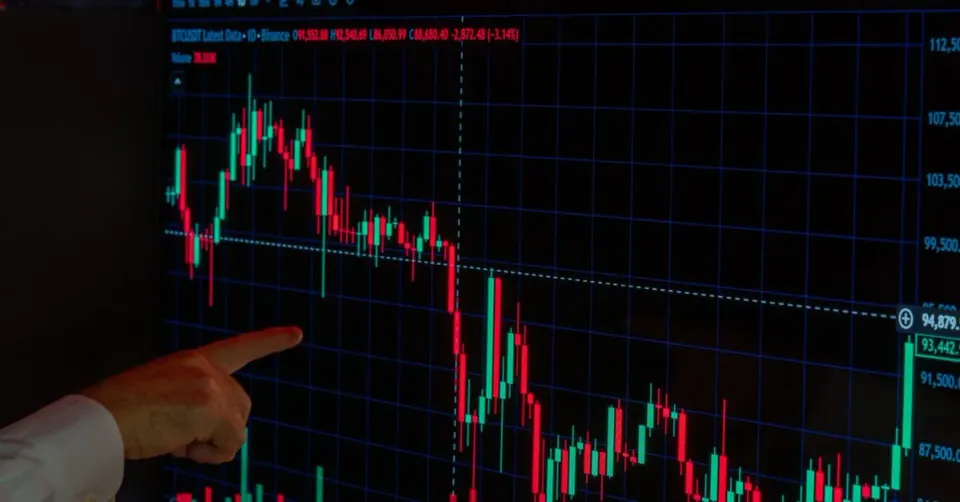
However, there is a significant 'macro hammer' hanging over the market: the U.S. Federal Reserve. Wall Street is currently holding its breath ahead of a likely interest rate increase. While the Nasdaq and S&P 500 have shown resilience, the Fed’s 'Dot Plot'—the chart showing where officials expect rates to go—could trigger a massive shock. A more aggressive stance from the Fed would typically strengthen the global US Dollar, making gold more expensive for international buyers and potentially sucking liquidity out of risk assets like Bitcoin and emerging market currencies.
If the Fed signals that rates will stay 'higher for longer' to combat stubborn inflation, we could see a reversal in the gold rally. High interest rates increase the opportunity cost of holding non-yielding assets like gold. For Iranian readers, this creates a complex tug-of-war: while regional risks push prices up, a global dollar rally could eventually force a correction in the gold ounce, which would eventually drag down the Toman-priced gold gram regardless of local sentiment.
Nuanced View: A Market in Waiting
Our analysis suggests that we are in a 'wait-and-see' period where geopolitical fear is currently winning the battle against economic gravity. The 1.1% jump in gold despite a stable dollar is a clear signal that the market does not trust the current calm. However, investors must be cautious. The sentencing of former Kosovo leader Hashim Thaçi in The Hague serves as a reminder of how international law and geopolitical shifts can suddenly recalibrate global risk appetites.
In the coming days, the interplay between the Fed’s decision and the intensity of the Houthi-Saudi conflict will be the deciding factor. If the military situation de-escalates, the 'war premium' in Tehran’s gold market could evaporate as quickly as it appeared, especially if the Fed delivers a hawkish surprise. Conversely, if energy prices continue to climb and regional tensions boil over, the 23.5 million Toman level for gold may just be the beginning of a new floor. This is a time for strategic patience rather than emotional trading.

Frequently Asked Questions
چرا قیمت طلا در تهران با وجود کاهش قیمت دلار افزایش یافت؟
تصمیم فدرال رزرو چه تاثیری بر قیمت طلا در ایران دارد؟
آیا رشد فعلی قیمت طلا پایدار خواهد بود؟
Gold as a Safe Haven Asset in Times of Uncertainty
In financial markets, a "safe haven" asset is an investment that is expected to retain or increase in value during periods of market turbulence, economic uncertainty, or geopolitical instability. While many assets can fluctuate wildly in volatile times, safe havens are sought out by investors looking to protect their wealth from erosion. Gold has historically been the quintessential safe haven, revered for its intrinsic value, universal acceptance, and perceived scarcity across cultures and civilizations. Unlike fiat currencies, which can be printed in unlimited quantities, gold's supply is finite, making it a reliable store of value when confidence in traditional financial systems or currencies wanes.
The recent surge in Tehran's gold prices, even as the Toman's official exchange rate against the USD remained stable, perfectly illustrates gold's safe haven appeal, particularly in specific economic and geopolitical contexts. When investors perceive risks such as regional conflicts, domestic inflation, or global economic slowdowns – as suggested by "regional jitters" and the "Fed's shadow" – they often flock to gold. This increased demand drives up its price, especially when local alternatives for wealth preservation are limited or mistrusted. For instance, in an environment where local inflation might be high or capital controls are present, individuals might convert their savings into gold to hedge against currency devaluation, even if official exchange rates are being managed.
This phenomenon explains the "Toman gold decoupling" mentioned in the headline. The official exchange rate of a currency might be subject to government intervention, capital controls, or other mechanisms that mask underlying economic pressures or inflation. However, the price of gold, often traded in parallel markets or reflecting genuine local demand, can act as a more accurate barometer of real economic anxieties. When local citizens lose confidence in the purchasing power of their domestic currency, they turn to gold as a more secure, tangible asset, driving its price up independently of the officially quoted exchange rates. This divergence highlights gold's enduring role as a trusted refuge when other financial instruments or currencies appear vulnerable.