
Gold vs. Bitcoin: Which Safe Haven Survives the 2026 Geopolitical Storm?
طلا یا بیتکوین؛ کدام پناهگاه امن در طوفان ژئوپلیتیک ۲۰۲۶ دوام میآورد؟
With Iranian commanders signaling regional shifts and gold outperforming the dollar's daily growth, we analyze the best hedge for your Toman. As Bitcoin holds the $80,000 line, the choice between physical metal and digital gold has never been more critical for Iranian savers.
At time of publishing
USD
231,500
Toman
Gold 18K
24.11M
Toman / gram
Bitcoin
$80,664
US Dollar
Tether
228,821
Toman
The Geopolitical Premium on the Toman
On Sunday evening, September 20, 2026, the Iranian market is once again navigating the choppy waters of regional rhetoric and domestic security concerns. Rear Admiral Habibollah Sayyari, deputy chief of the Iranian Army, recently emphasized that the "defeated enemy" must leave the region in disgrace. While such statements are familiar to the Iranian ear, their timing—coupled with reports from IRNA that three terrorist cells were dismantled across three provinces—adds a distinct layer of risk to the currency market. For the average Iranian saver, these headlines aren't just news; they are signals that the 'risk premium' baked into the price of the US Dollar and Gold is unlikely to dissipate anytime soon.
As of this evening, the USD sell rate has edged up to 231,500 Toman, a modest 0.3% increase over the last 24 hours. However, the real story lies in the gold market. 18k gold per gram rose by 0.7% to reach 24,112,378 Toman, effectively doubling the growth rate of the greenback in the same period. This divergence suggests that when domestic tension rises, the local appetite for gold—a physical asset with no counterparty risk—often outweighs the demand for foreign banknotes, which are subject to physical scarcity and central bank interventions.
Bitcoin’s $80k Floor and the 'Trump Factor'
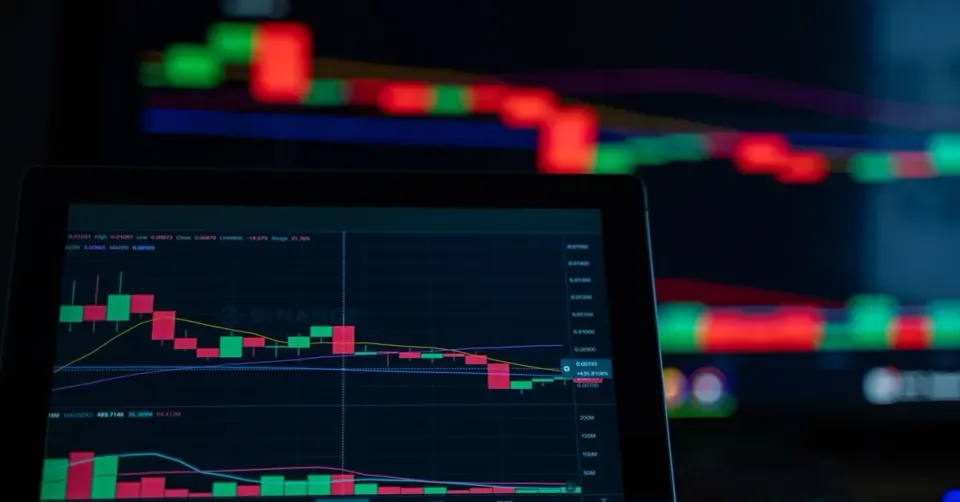
While Tehran watches its borders, the global stage is occupied by the increasingly surreal policy proposals of Donald Trump. His latest claim—that a planned 250ft triumphal arch in Washington D.C. will double as a high-tech military complex for sniper ammunition and drones—has left analysts questioning the future of US institutional stability. Yet, Bitcoin seems remarkably unfazed. Trading at $80,664, BTC has maintained its independence from the political circus in Washington. For Iranians, this 'digital gold' offers something physical gold cannot: instant portability and global liquidity without the need to carry heavy coins through an airport.
Recent market reports suggest that holding anything but Bitcoin has been a losing bet for the past two years. In the Iranian context, USDT (Tether) currently sits at 228,821 Toman, slightly cheaper than the physical dollar. This gap represents the 'convenience discount' of digital assets, but it also highlights a risk. While Bitcoin is a sovereign asset, Tether is a centralized stablecoin. For long-term protection against the kind of systemic risks discussed in Alzheimer's care and long-term insurance debates—where costs can reach hundreds of thousands of dollars—the choice of asset must be based on more than just today's price.
Liquidity vs. Security: Making the Choice
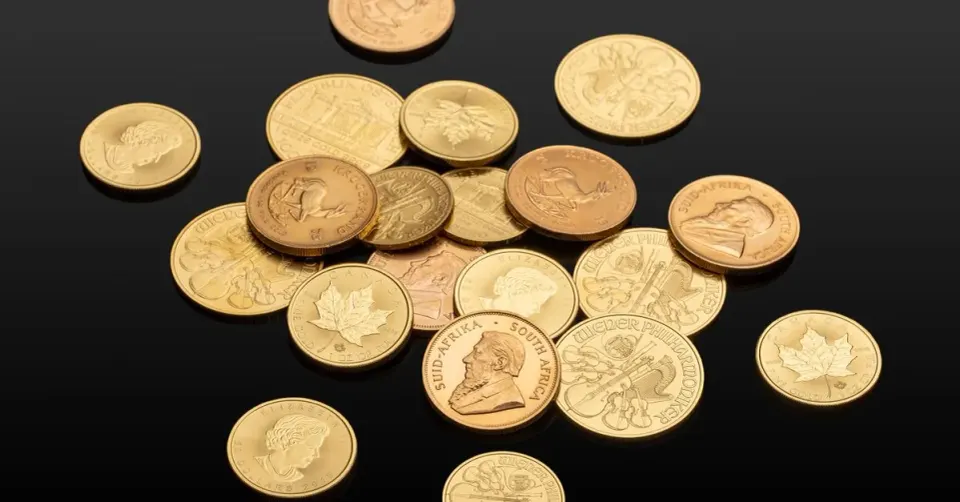
The Emami coin, currently priced at 239,000,000 Toman, remains the gold standard for liquidity in Iran. Despite its 0.6% rise today, it carries a heavy 'bubble' or premium over its actual gold content. This is the price Iranians pay for an asset that can be sold for cash in almost any city within minutes. In contrast, 18k gold per gram is more stable but carries the cost of 'ojrat' (workmanship) and taxes if bought as jewelry. For those looking at 2026 as a year of potential volatility, the decision often comes down to the horizon of the investment.
If your goal is to hedge against a sudden regional conflict or a sharp devaluation, Bitcoin and Emami coins offer the fastest exit. However, if you are planning for the long-term—much like the families looking at long-term care insurance to mitigate the costs of chronic illness—the physical security of gold cannot be overlooked. The 'disgraceful exit' of foreign forces mentioned by Iranian commanders may or may not happen, but the erosion of purchasing power is a certainty. Diversifying between the 0.7% growth of gold and the $80k stability of Bitcoin might be the only way to ensure that your savings survive the geopolitical theater of the mid-2020s.
Concept Diagram
Frequently Asked Questions
چرا قیمت طلا امروز سریعتر از دلار رشد کرد؟
آیا بیتکوین ۸۰ هزار دلاری برای سرمایهگذاری در ایران امن است؟
تفاوت ریسک تتر و دلار فیزیکی در چیست؟
Understanding Safe‑Haven Assets: Why Gold and Bitcoin Matter in Turbulent Times
A safe‑haven asset is an investment that is expected to retain or increase its value during periods of market stress, political upheaval, or economic uncertainty. Investors flock to these assets because they are perceived as less correlated with broader market movements and often provide a hedge against currency devaluation or inflation. Historically, gold has been the archetype of a safe haven, prized for its physical scarcity, universal acceptance, and the fact that it cannot be printed by any central bank.
In the digital age, Bitcoin has emerged as a controversial but increasingly discussed safe‑haven candidate. Proponents argue that its fixed supply of 21 million coins, borderless nature, and resistance to traditional banking controls make it a modern “digital gold.” Critics point out its high volatility and relatively short track record compared to gold. Empirical studies since 2020 have shown that Bitcoin can sometimes decouple from equities during crises, but its performance is far from consistent, especially when regulatory crackdowns or exchange outages occur.
For countries like Iran, where the USD/IRR exchange rate can swing dramatically due to sanctions and geopolitical tension, the choice of a safe haven becomes especially salient. Gold is often bought in physical form or held in offshore accounts to preserve wealth, while some Iranians turn to cryptocurrencies like Bitcoin or stablecoins such as Tether (USDT) to sidestep currency controls. However, the Iranian government’s stance on crypto—ranging from outright bans to tentative regulation—adds another layer of risk that investors must weigh.
The concept of a safe haven also ties into broader geopolitical risk assessments. When a region faces heightened tension—such as the 2026 scenario involving Admiral Sayyari’s naval maneuvers in the Persian Gulf—investors typically re‑price assets based on perceived exposure to conflict. Gold’s price often spikes as investors seek a universally recognized store of value, while Bitcoin’s reaction can be mixed: some see it as a hedge against fiat instability, others view it as a speculative asset vulnerable to market panic.
Understanding the mechanics of safe‑haven assets helps investors make informed choices about portfolio diversification, especially in environments where exchange rate volatility, sanctions, and regional security concerns intersect. By evaluating liquidity, regulatory risk, and historical performance, one can decide whether to allocate wealth to traditional metals, digital currencies, or a blend of both.
Topics
Related Articles