
Gold vs. USDT: Navigating Iran's volatile currency landscape
طلا در مقابل USDT: مسیریابی در چشمانداز ارزی پرنوسان ایران
As the Iranian Toman faces persistent pressure, citizens are increasingly looking for stable stores of value. While USDT offers digital convenience, gold has historically proven its resilience. This comparison delves into the pros and cons of each, examining their stability, accessibility, and potential risks in the current economic climate.
At time of publishing
USD
269,700
Toman
Gold 18K
24.83M
Toman / gram
Bitcoin
$65,959
US Dollar
Tether
269,393
Toman
The Shifting Sands of Value
The Iranian Toman has been on a turbulent journey, prompting many to seek alternatives for preserving their wealth. In this environment, two prominent options emerge: the digital stablecoin Tether (USDT) and the age-old store of value, gold. Both promise a hedge against inflation and currency devaluation, but their mechanisms, risks, and accessibility differ significantly. Understanding these nuances is crucial for anyone looking to safeguard their savings.
As of Saturday, November 14, 2026, the USD is trading at 268,104 Toman for buying and 269,700 for selling. This reflects a continued weakening of the Toman against the dollar, a trend that has pushed many towards assets perceived as more stable. USDT, pegged to the US dollar, often appears as a direct digital proxy for dollar holdings, offering a seemingly straightforward way to escape local currency depreciation. However, the stability of any cryptocurrency, even a stablecoin, is subject to its own set of risks, including regulatory uncertainties and the inherent volatility of the digital asset market.
---
USDT: The Digital Dollar Dilemma
Tether (USDT) has become a popular choice for Iranians seeking to sidestep the Toman's fluctuations. Its primary appeal lies in its perceived 1:1 peg with the US dollar, making it an attractive digital alternative to holding physical dollars. For example, on November 14, 2026, USDT is trading at 269,393 Toman. This is remarkably close to the USD sell price of 269,700 Toman, highlighting its function as a dollar proxy.
The ease of transferring USDT across borders and its integration into the global cryptocurrency ecosystem offer significant advantages. It allows for quick transactions and can be traded on various exchanges, providing liquidity. However, USDT's backing has been a subject of scrutiny. While the issuer claims it is fully backed by reserves, the exact composition and transparency of these reserves have been debated. This lack of complete transparency introduces a counterparty risk – the risk that the issuer might not be able to meet its obligations, especially during times of market stress.
Furthermore, the regulatory landscape for cryptocurrencies is constantly evolving. Governments worldwide are grappling with how to regulate stablecoins, and any adverse regulatory action could impact USDT's stability and accessibility. For Iranians, relying solely on USDT means navigating not only the complexities of the crypto market but also potential international sanctions or exchange restrictions that could affect their access to these digital assets.
---
Gold: The Enduring Haven
Gold, in contrast, has been a trusted store of value for millennia. Its intrinsic worth, scarcity, and global acceptance make it a tangible asset that is not dependent on the promises of any single entity or government. As of November 14, 2026, 18k gold is priced at 24,834,941 Toman per gram, showing a significant 3.6% decrease from the previous day's price of 25,762,962 Toman. This recent dip, while notable, does not negate gold's long-term track record as an inflation hedge.
The tangible nature of gold provides a sense of security that digital assets cannot replicate. It can be held physically, offering a direct, unmediated form of wealth preservation. This physical possession bypasses many of the risks associated with digital currencies, such as hacking, platform failures, or regulatory crackdowns. For Iranians, acquiring physical gold or gold coins (like the Emami coin, currently at 253,000,000 Toman, down 0.6% from yesterday) has been a traditional method of wealth protection against currency devaluation.
However, gold is not without its drawbacks. Its price can be volatile in the short term, as evidenced by the recent 3.6% drop in 18k gold. Storing and securing physical gold also presents logistical challenges and costs. Furthermore, the liquidity of gold can be lower than that of digital assets, meaning it might take more time and effort to convert it into cash when needed. The global gold price, as of November 14, 2026, stands at $3,887.60 per ounce, indicating its international valuation.
---
The Verdict: Stability vs. Convenience
When comparing USDT and gold, the choice often boils down to a trade-off between convenience and perceived long-term stability. USDT offers unparalleled convenience for digital transactions and can be acquired and moved with relative ease, mirroring the USD's global reach. Its price is intended to track the dollar, providing a digital shield against Toman depreciation.
Gold, on the other hand, offers a more traditional, tangible form of wealth preservation. Its historical performance as a hedge against inflation and economic uncertainty makes it a robust choice for long-term savings. While it may lack the immediate transactional ease of USDT, its intrinsic value and independence from digital infrastructure or issuer promises provide a unique kind of security.
For Iranians, the decision hinges on their specific needs and risk tolerance. Those prioritizing ease of digital transfer and a direct link to the USD might lean towards USDT, while those seeking a tangible, historically proven hedge against systemic risks and long-term devaluation might find gold a more suitable option. Both assets carry risks, and a diversified approach, perhaps incorporating elements of both, could offer a more balanced strategy for navigating the complexities of Iran's financial landscape. The recent price movements, with gold showing a notable dip and USDT closely tracking the dollar, offer a snapshot of their current dynamics, but the long-term outlook remains influenced by global economic trends and domestic policies.
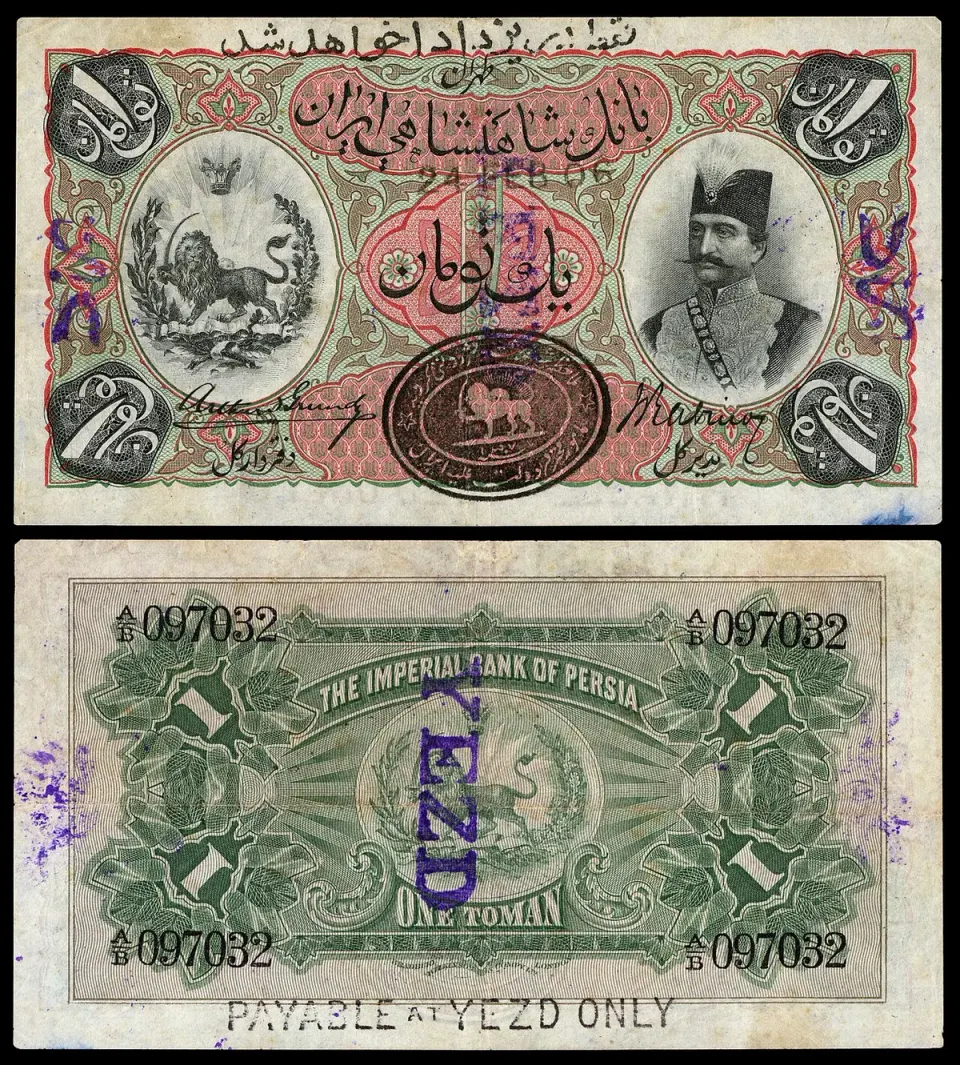

Concept Diagram
Frequently Asked Questions
What is the primary risk associated with holding USDT for Iranians?
How does the liquidity of gold compare to USDT for an Iranian investor?
Is gold a reliable hedge against inflation in Iran, given its recent price drop?
Can USDT be directly converted to Iranian Toman easily?
Store of Value: Protecting Wealth in Volatile Times
In economies experiencing high inflation or significant currency depreciation, like Iran's, individuals often seek assets that can preserve their purchasing power. This fundamental economic concept is known as a Store of Value. A store of value is any asset, commodity, or currency that can be held and exchanged for goods and services in the future without deteriorating in value. Unlike a volatile national currency, which might rapidly lose its worth, a reliable store of value aims to maintain its value over time, offering a hedge against economic instability.
Historically, gold has been the quintessential store of value. Its inherent scarcity, durability, divisibility, and global acceptance have made it a trusted asset for millennia. In times of geopolitical uncertainty or economic turmoil, demand for gold typically rises as investors and ordinary citizens alike flock to it as a safe haven. Its physical nature means it exists outside the traditional banking system, offering a sense of security against government controls or financial system collapses, making it particularly appealing in environments where trust in local institutions is low.
More recently, digital assets like stablecoins, such as Tether (USDT), have emerged as a modern alternative. USDT is designed to maintain a stable value by being pegged to a reserve asset, typically the US dollar. This peg allows individuals to hold a digital representation of a more stable currency, bypassing the volatility of their local fiat money. Stablecoins offer advantages like ease of transfer across borders, lower transaction costs compared to traditional banking, and accessibility through digital platforms, which can be crucial in regions with strict capital controls or limited access to foreign exchange.
While both gold and stablecoins serve as stores of value, they present different characteristics and risks. Gold offers tangible security and a long history of trust but can be cumbersome to store and transport, and its price can still fluctuate. Stablecoins provide digital convenience and liquidity but carry risks related to their underlying reserves, regulatory scrutiny, and the security of digital platforms. Understanding these differences is vital for anyone navigating a volatile financial landscape, as the choice between traditional and modern stores of value depends on individual circumstances, risk tolerance, and access to different markets.