Toman Stalls at 269,500 as Global Markets Adapt to Eight Months of Iran War Energy Disruptions
توقف دلار در مرز ۲۶۹ هزار تومان؛ انطباق بازارهای جهانی با شوک هشتماهه انرژی در سایه جنگ
Despite a flat 24-hour delta in domestic rates, the Toman faces a 'new normal' as global energy markets prove surprisingly resilient to regional conflict. We analyze why stagnant prices at 269,500 Toman may mask a deeper, more volatile shift in geopolitical risk premiums.
At time of publishing
USD
269,500
Toman
Gold 18K
25.76M
Toman / gram
Bitcoin
$68,927
US Dollar
Tether
269,726
Toman
Key figures
US Dollar
269,500
Iranian Toman
↑ 0.00% todayBitcoin
$68,927
US Dollar
The Fragile Calm of the Toman
As of the evening of Friday, November 13, 2026, the Iranian market appears to be caught in a state of suspended animation. The latest data shows the USD/IRR sell rate holding steady at 269,500 Toman, representing a 0.0% change over the last 24 hours. Similarly, Gold 18k remains unchanged at 25,762,962 Toman per gram, and the Emami coin stays fixed at 254,500,000 Toman. On the surface, this lack of movement suggests a market that has priced in current risks, yet the underlying fundamentals tell a story of extreme tension. This 'flatline' in pricing is rarely a sign of health; rather, it often precedes a breakout as traders wait for a definitive signal from the front lines or the global energy stage.
While domestic prices are static, the global context is shifting. The gold ounce has climbed to a staggering $3,896.75, reflecting a global flight to safety that hasn't yet fully translated into a Toman breakout. This disconnect suggests that local liquidity is tight, or perhaps that the 'risk premium' is already so high that it requires a massive new catalyst to push the dollar toward the 270,000 threshold. For the average Iranian saver, this stagnation is a double-edged sword: it provides a momentary reprieve from inflation, but the high baseline of 269,500 Toman means that any upward move will immediately challenge the psychological and economic limits of the middle class.

Global Energy Resilience and the Hormuz Factor
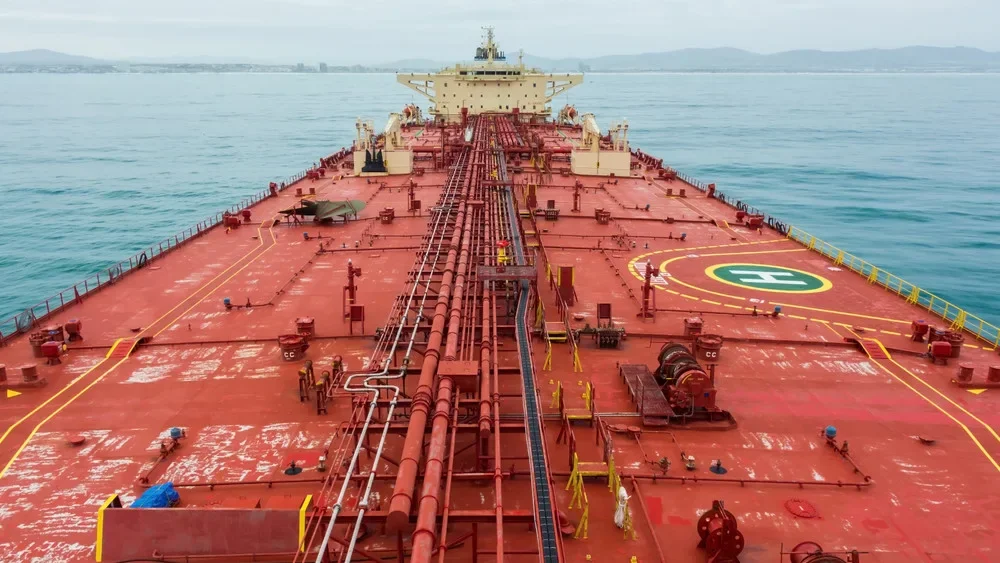
A critical factor in today's outlook is how global energy markets have adapted to eight months of disruptions stemming from the regional conflict. Reports indicate that while Americans are feeling the war through higher pump prices, the rest of the world has faced more severe fuel shortages. However, the 'catastrophe' many predicted—a total global energy collapse due to the closure of the Strait of Hormuz—has been mitigated by strategic shifts in supply chains. India and Europe have scrambled for alternative LNG and LPG sources, as seen in Pakistan’s recent desperate tenders for winter gas. This resilience is a bearish signal for the Toman in one specific way: if the world can survive without stable Iranian energy exports, the leverage the regional players once held is diminishing, potentially inviting more aggressive sanctions or military postures.
Furthermore, the geopolitical landscape is being complicated by the 'Nvidia Spy Scandal,' which is now threatening the Gulf’s broader AI and technological ambitions. As tech giants and regional powers navigate this fallout, the flow of investment into the Middle East is becoming more selective. The recent car bomb targeting a high-ranking Russian military official, alongside reports of cover-ups regarding past chemical attacks in Syria, serves as a reminder that the regional security architecture is crumbling. For the USD/IRR pair, these events reinforce a 'perpetual risk' environment where the floor for the dollar remains high, regardless of daily fluctuations.
---
The Bullish Case for USD/IRR (Toman Depreciation)
The case for the dollar rising beyond 270,000 Toman rests on the 'scarcity of certainty.' With the Nvidia scandal disrupting regional tech cooperation and the ongoing threat of a caretaker Israeli government launching a strike on Iranian facilities, the risk of a sudden supply shock is immense. If the Strait of Hormuz experiences further kinetic disruptions, the global resilience we’ve seen over the last eight months will be pushed to its absolute breaking point. In such a scenario, the dollar would likely gap up as the 'war premium' overrides all other economic metrics. Additionally, the formation of committees by the Office for the Preservation and Publication of the Works of the Grand Ayatollah to mark martyrdom anniversaries suggests a domestic focus on ideological mobilization rather than economic reform, which rarely calms market nerves.
The Bearish Case for USD/IRR (Toman Appreciation)
Conversely, the bearish case for the dollar (and a stronger Toman) is built on the reality that the world is learning to live without regional stability. If global markets can continue to bypass the disruptions—as they have for nearly a year—the 'fear factor' that drives the Toman's volatility may begin to decay. We are seeing dormant Bitcoin whales move millions after 16 years, and institutional investors like Goldman Sachs maintaining a bullish outlook on global equities despite regional wars. If the 'Blue Tsunami' of US political shifts leads to a more isolationist or pragmatic foreign policy, we could see a cooling of regional tensions. A Toman correction toward 260,000 is not impossible if a diplomatic backchannel is established, though this remains a low-probability 'tail risk' in the current climate.
The Nuanced Verdict
In my view, the current 0.0% delta is the market holding its breath. The Toman is neither 'stable' nor 'crashing'; it is in a state of high-altitude hovering. The interplay between $3,800 gold and a 269,500 Toman exchange rate suggests that the Iranian economy has reached a saturation point of bad news. While I don't see an immediate reason for a massive rally in the Toman, the global resilience to energy shocks suggests that the 'oil weapon' is losing its edge. Investors should watch the 270,000 level closely; a sustained break above this will likely trigger a new wave of panic buying. For now, the 'postnuptial agreement' of the markets—where everyone is trying to protect their assets from a messy divorce between regional powers—is the dominant theme. Expect volatility to return as soon as the weekend lull ends.
Watch
Can Britain afford to lead European defence? | FT
Financial Times
Frequently Asked Questions
چرا قیمت دلار با وجود افزایش انس جهانی طلا ثابت مانده است؟
تابآوری بازارهای جهانی انرژی چه تأثیری بر اقتصاد ایران دارد؟
آیا رسوایی انویدیا بر بازار ارز ایران تأثیرگذار است؟
The Geopolitical Risk Premium in Energy Markets
When headlines mention "Iran War Energy Disruptions" and the "Strait of Hormuz energy impact," they're pointing to a crucial concept in global economics: the geopolitical risk premium in energy markets. This premium is essentially an extra cost built into the price of commodities, particularly oil, due to political instability, conflict, or uncertainty in key producing regions or transit routes. Market participants, fearing potential supply disruptions, are willing to pay more to secure future supplies, thereby driving up prices beyond what fundamental supply and demand might dictate under stable conditions.
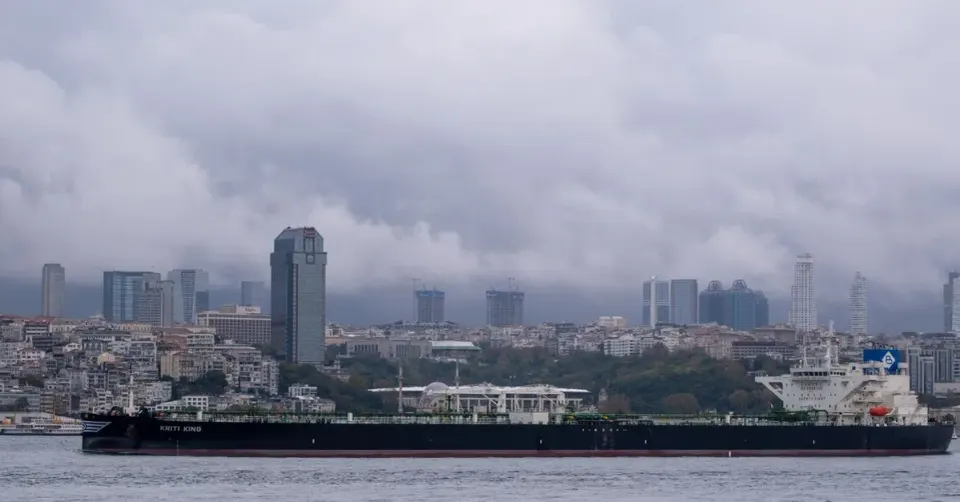
The Strait of Hormuz is a prime example of why such a premium exists. As the world's most important oil transit chokepoint, through which a significant portion of the world's seaborne oil passes, any threat to its free passage or to oil production in the surrounding Persian Gulf region immediately triggers concerns about global supply. An "Iran War" scenario amplifies these fears, leading traders and refiners to price in the risk of reduced availability, even if actual disruptions haven't yet occurred. This forward-looking fear manifests as the geopolitical risk premium.
The consequences of this premium are far-reaching. Higher oil prices translate into increased costs for transportation, manufacturing, and consumer goods globally, contributing to inflation and potentially slowing economic growth. For oil-producing nations like Iran, while global oil prices might be high, prolonged conflict and international sanctions can severely disrupt their ability to export oil, leading to a significant reduction in state revenues. This, in turn, can contribute to domestic currency depreciation, as seen with the Toman, and broader economic hardship. Conversely, during periods of heightened geopolitical risk, safe-haven assets like gold often see their prices rise as investors seek to protect their wealth from uncertainty.
However, as the headline mentions "global markets adapt" and "energy market resilience," it's important to note that this premium is not static. Over time, markets can adapt by finding alternative supply routes, drawing on strategic petroleum reserves, or improving energy efficiency. This adaptation can temper the risk premium. Yet, the underlying geopolitical tensions remain, and any new escalation or perceived threat can quickly reintroduce or intensify the premium, reminding us of the delicate balance between geopolitics and global economic stability.
Geopolitical risk - Wikipedia
en.wikipedia.org
Geopolitical Risk: Definition, Types, and Impact on Markets - Investopedia
investopedia.com
Persian Gulf oil and natural gas production and transit - U.S. Energy Information Administration (EIA)
eia.gov
Geopolitical Risk and the Global Economy - International Monetary Fund (IMF)
imf.org