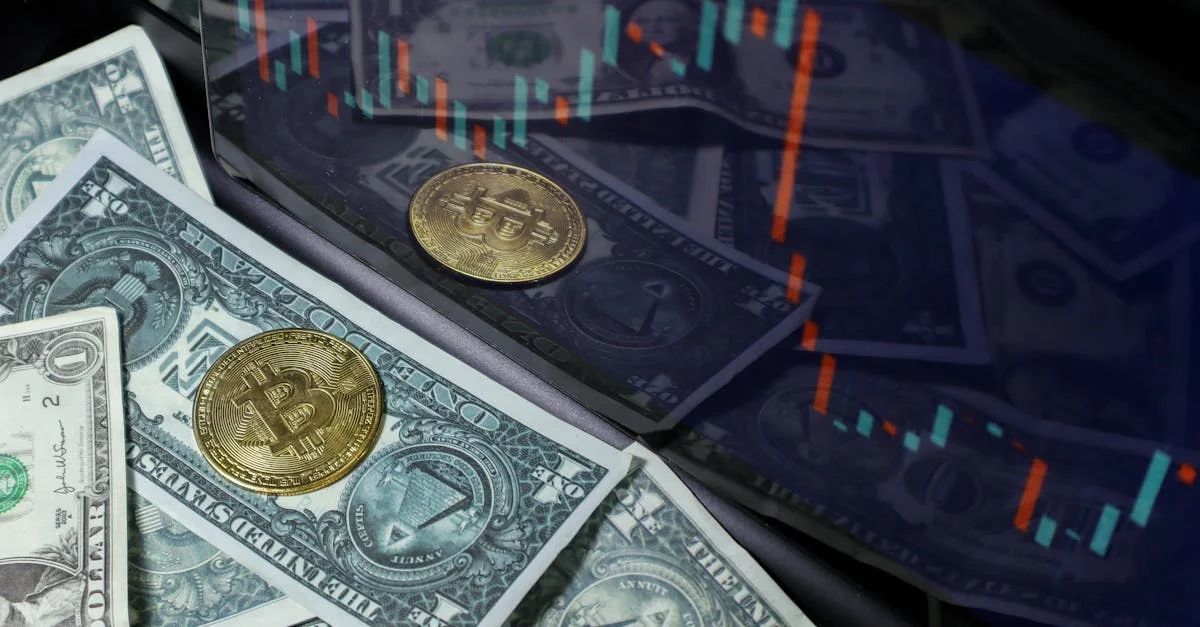
Emami Coin Jumps 1.7% as Dollar Edges Up – What It Means for Your Wallet
سکهٔ امامی ۱٫۷٪ جهش کرد؛ دلار کمی بالا رفت – چه تأثیری بر کیف پول شما دارد
The Emami coin surged to 177 million toman, outpacing a modest 0.4% rise in the official USD rate. With Tehran’s markets still feeling the tremors of Hormuz tensions, everyday Iranians must rethink how they protect savings. Here’s the full picture and a practical tip for tomorrow’s trades.
At time of publishing
USD
154,050
Toman
Gold 18K
17.78M
Toman / gram
What Actually Happened
The night session closed with the Emami coin climbing from 174,000,000 to 177,000,000 toman, a solid +1.7% gain. At the same time, the official USD/IRR rate edged up from 153,450 to 154,050 toman (+0.4%). Gold 18‑karat also rose, moving from 17,606,537 to 17,777,136 toman (+1.0%) per gram. These moves may look modest in isolation, but together they sketch a shifting risk‑on rhythm in Tehran’s market.
Investors poured into the Emami coin after a series of local news reports highlighted its liquidity advantage over the older Azadi and Nim Seke coins. The coin’s higher turnover on the domestic exchanges makes it a preferred hedge when the official dollar shows only incremental movement. Meanwhile, the dollar’s slight rise reflects a broader regional pressure: Iran’s forces seized two cargo ships in the Strait of Hormuz, reviving worries about oil‑flow disruptions and prompting a brief flight to hard assets.
Why This Matters
For the average Iranian, the Emami coin’s surge is more than a headline‑number; it translates into real purchasing power. A 1.7% rise means that a household needing to buy a kilogram of wheat or a month’s worth of electricity can now do so with slightly fewer tomans, assuming they hold the coin rather than cash. Conversely, the USD’s 0.4% climb, while tiny, nudges import costs higher, especially for goods priced in foreign currency such as electronics and medicines.
Gold’s 1% increase reinforces the classic “gold‑as‑safe‑haven” narrative. When geopolitical friction spikes – as it did with the recent Hormuz seizure – investors often swing toward gold, pushing its local price upward. This benefits those who already own gold bars or 18‑karat jewelry, but it also signals that market participants expect further volatility.

The Bigger Picture
The underlying driver of today’s price action is the renewed tension in the Strait of Hormuz. Iran’s claim of seizing two cargo vessels came just hours after President Trump announced an extension of the cease‑fire, a move that many analysts view as a tactical pause rather than a lasting de‑escalation. The uncertainty over oil shipments has a two‑fold effect: it fuels a short‑term rally in hard assets (gold, local coins) and keeps the official dollar from appreciating sharply, as the Central Bank tries to balance export revenues against domestic inflation.
Globally, markets are still digesting the Federal Reserve’s latest policy stance – a cautious hold on rates amid mixed inflation data. While the Fed’s decisions primarily affect the USD on the world stage, Tehran’s dollar rate is increasingly decoupled, reacting more to regional supply‑chain shocks than to US monetary policy. This divergence gives Iranian traders an edge: they can exploit local asset movements without being fully exposed to the volatility of the global dollar.
Looking ahead, the key watch‑points are the outcome of the upcoming talks in Pakistan and any further naval activity in the Hormuz corridor. If the seizure leads to a broader blockade, we could see the Emami coin and gold rally further, while the dollar may stagnate or even dip as the Central Bank steps in to protect export earnings.
Practical takeaway: If you hold cash, consider converting a modest portion (5‑10%) into Emami coins or 18‑karat gold before the weekend. Both assets have shown resilience today and are likely to retain value if Hormuz tensions persist. Keep an eye on the official USD rate early tomorrow – a break above 154,500 could signal the need to rebalance back into foreign currency.

Frequently Asked Questions
آیا سکهٔ امامی واقعاً میتواند به عنوان پناهگاه در برابر تورم عمل کند؟
چرا طلا در ایران نسبت به دلار کمتر نوسان میکند؟
Understanding the Dollar Index and Its Impact on Cryptocurrency Prices
The Dollar Index (DXY) measures the value of the U.S. dollar against a basket of six major world currencies. Launched in 1973, it is calculated by the Intercontinental Exchange (ICE) and serves as a benchmark for the dollar’s overall strength. When the index rises, the dollar is appreciating relative to other currencies; when it falls, the dollar is weakening.
Cryptocurrencies like Emami Coin are typically quoted in U.S. dollars on exchanges worldwide. A stronger dollar means that, in local‑currency terms, the same amount of crypto costs more. Conversely, a weaker dollar can make crypto appear cheaper to investors holding other currencies. This relationship explains why a modest rise in the Dollar Index often coincides with a dip in crypto prices, and why a weakening dollar can buoy them.
The mechanism behind this link is known as exchange‑rate pass‑through. When the dollar strengthens, the purchasing power of non‑U.S. investors erodes, prompting them to demand fewer dollars‑denominated assets, which can depress prices. For holders of local‑currency wallets, a rising dollar can reduce the real value of their crypto holdings when converted back, even if the nominal price in dollars rises modestly, such as the 1.7% jump mentioned.
Investors should monitor the Dollar Index alongside crypto market data to gauge potential price pressure. Tools like the ICE DXY futures chart or Bloomberg’s dollar gauge provide real‑time insight. By understanding the dollar’s trajectory, traders can better anticipate when a crypto rally is driven by genuine demand versus a simple currency effect.
In practice, a rising dollar may encourage some investors to seek inflation‑hedging assets like gold or certain stablecoins, while others might view a weaker dollar as a buying opportunity for higher‑risk tokens. Keeping an eye on the DXY helps you decide whether a crypto price move reflects broader macro trends or a fleeting market sentiment.