War-Time Pivot: Toman Slides to 157,750 as Tehran Prioritizes Essentials Amid D.C. Chaos
چرخش به سمت اقتصاد زمان جنگ؛ دلار ۱۵۷ هزار تومانی و بازگشت به کالاهای اساسی
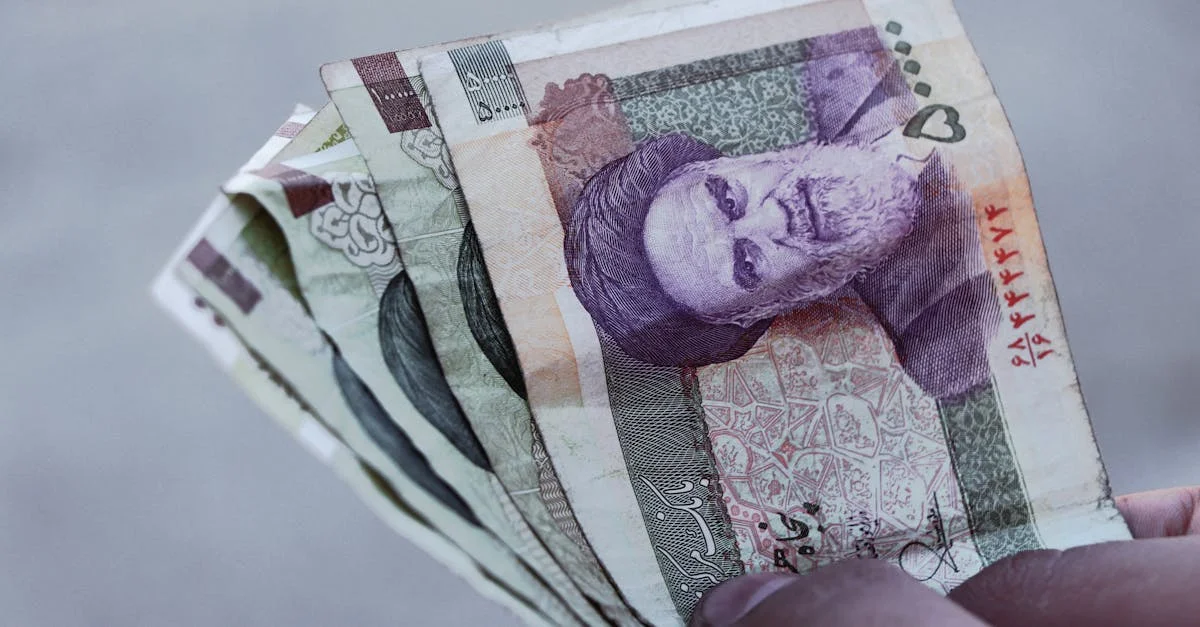
The Iranian Rial faced a 1.2% decline today as the government signaled a shift toward a defensive economic posture, prioritizing essential goods and tapping sovereign reserves. With political volatility peaking in Washington after the Trump shooting, Tehran's markets are bracing for a period of high-stakes uncertainty.
At time of publishing
USD
157,750
Toman
Gold 18K
17.89M
Toman / gram
Bitcoin
$78,033
US Dollar
Tether
15,514.7
Toman
The Essential Shift: Tehran’s Defensive Economic Play
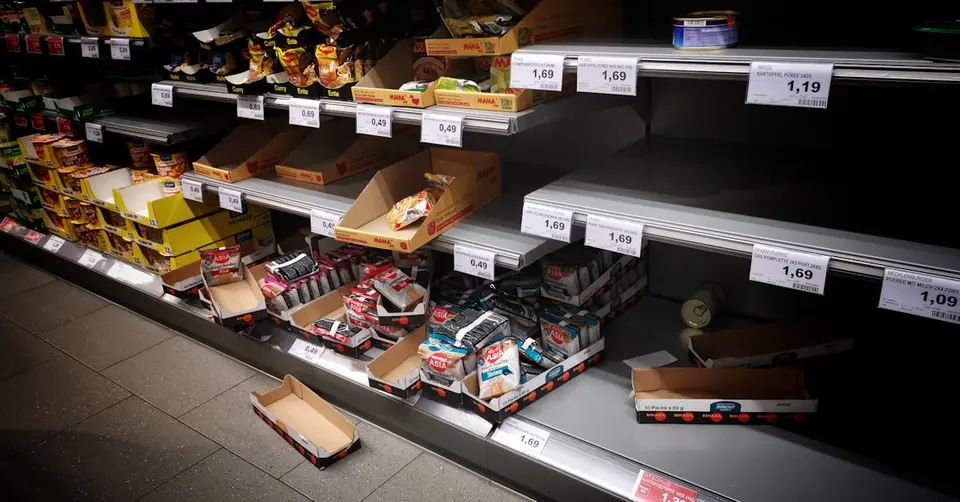
In a move that signals a significant hardening of Iran's domestic policy, the government has officially shifted its economic focus toward a defensive posture. According to reports from Al Jazeera, Tehran is partly reversing previous currency liberalization decisions for basic items, choosing instead to prioritize the import of essentials. This policy shift involves tapping into the country's sovereign fund to ensure that the food basket and medical supplies remain insulated from the increasing volatility of the open market. For the average Iranian, this is a clear sign that the administration is bracing for a prolonged period of regional uncertainty and possible escalations.
The market responded to this 'war economy' rhetoric with immediate pressure on the currency. In the Tehran open market, USD moved from 155,950 to 157,750 (+1.2%). This jump reflects a growing anxiety among local traders who view the government's move to secure essentials as a precursor to tighter capital controls or further devaluations. When the state begins to husband its resources so aggressively, the private sector often scrambles for hard currency as a hedge against what might come next.
Global Chaos and the D.C. Vacuum
Beyond Iran's borders, the global stage is reeling from the aftermath of the shooting at the White House Correspondents' Dinner. While the situation remains fluid, the shock of seeing a former president and current candidate evacuated under gunfire has created a massive geopolitical vacuum. The resulting surge in conspiracy theories and political instability in the United States has traditionally driven investors toward safe-haven assets. However, the 1.2% rise in the USD/IRR rate suggests that for Iranians, the US Dollar remains the primary refuge, even when the US itself is in turmoil. This 'dollarization' of fear is a persistent feature of the local economy.
While Washington is paralyzed by domestic security crises, Iran's diplomatic machinery is attempting to secure its flanks. Foreign Minister Abbas Araghchi’s meeting with the Pakistani Army Chief in Islamabad highlights an effort to maintain regional stability even as the global narrative is dominated by chaos. This contrast between high-level diplomacy and street-level market panic is striking. While Araghchi talks security, the average saver is looking at the screen, watching the Toman lose ground against the Greenback and the Euro, which reached 184,950 today.
Portfolio Rebalancing: From Semiconductors to Gold
In the broader financial world, we are seeing a significant rotation of capital that Iranians should pay attention to. Cathie Wood’s ARK Invest recently sold $75 million worth of surging semiconductor stocks, a move that suggests the peak of the AI-driven tech rally may be behind us. This kind of global rebalancing often precedes a shift into more tangible assets. In Tehran, this trend is mirrored by the steady, if slower, rise in gold. Emami coin moved from 175,000,000 to 175,500,000 (+0.3%), showing that even as the Rial slides, gold is being hoarded as the ultimate insurance policy.
Even the energy sector is seeing strategic shifts, with companies like Helix Energy Solutions Group announcing major all-stock deals to find synergies in a tightening market. These global moves toward consolidation and risk reduction are the same impulses driving the Iranian government's shift to an 'essentials-first' economy. Whether it is a Texas tornado disrupting supply chains or the Iranian government tapping its sovereign wealth, the theme of April 2026 is resilience over growth. For the Iranian investor, the takeaway is clear: liquidity and basic assets are king.
Frequently Asked Questions
Why is the Iranian government shifting focus back to essential goods?
How did the Trump shooting incident impact the Tehran market?
What does Cathie Wood's $75M semiconductor sell-off mean for local investors?
Is the current 1.2% rise in USD a temporary spike?
Currency Devaluation: How a Falling Rial Shapes Iran’s Economy
When a country's currency loses value against foreign currencies—a process known as devaluation—the ripple effects can be dramatic, especially for an import‑dependent economy like Iran’s. A weaker rial means that each unit of foreign currency now buys more rials, so the price of imported goods, from food staples to semiconductor chips, rises in local terms. This price pressure feeds directly into inflation, eroding purchasing power for ordinary Iranians and prompting the government to intervene with price caps, subsidies, or rationing of essential goods.
Devaluation can be intentional, as a policy tool to boost exports by making them cheaper abroad, or it can be forced by market forces, such as sanctions, capital flight, or geopolitical shocks (e.g., the Trump shooting incident). In Iran’s case, a mix of U.S. sanctions, reduced oil revenues, and regional diplomatic tensions have constrained foreign exchange inflows, causing the rial to slide to levels like 157,750 per USD in early 2026. The central bank’s limited foreign reserves mean it cannot fully defend the currency, leading to a dual‑exchange-rate system where official and market rates diverge, further complicating trade and investment decisions.
For consumers, devaluation translates into higher costs for everyday items. Essential goods that must be imported—such as wheat, cooking oil, and medical supplies—become more expensive, prompting the Tehran government to prioritize their distribution and sometimes subsidize prices to avoid social unrest. Meanwhile, exporters benefit from higher foreign‑currency earnings, but only if they can actually sell abroad despite sanctions. The net effect is a squeeze on the domestic economy: producers face higher input costs, households face higher living costs, and the government must balance fiscal support with the risk of worsening inflation.
Understanding devaluation also sheds light on related market phenomena. A falling rial can drive Iranians to seek safe‑haven assets, such as gold, boosting Tehran’s gold market and prompting central bank gold purchases. It can also spur capital outflows, as seen in the visit of Iranian officials to Pakistan to discuss trade alternatives, and influence the behavior of global investors like Cathie Wood’s funds, which may adjust exposure to Iranian‑linked semiconductor supply chains.
In the long run, sustained devaluation without structural reforms—like diversifying the economy, improving the business climate, and restoring access to international finance—can entrench a cycle of inflation and economic hardship. Policymakers must therefore pair exchange‑rate management with broader macro‑economic strategies to stabilize the rial and protect citizens’ livelihoods.