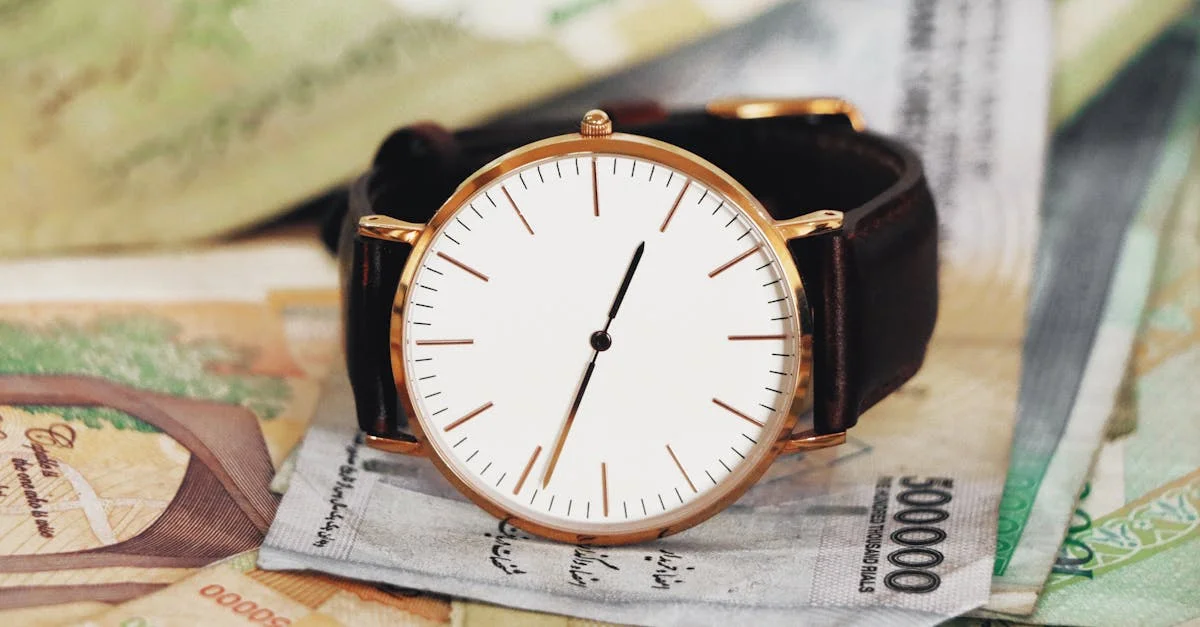
Gold’s 0.7% dip sparks fresh caution for Iranian savers
قیمت طلا با کاهش ۰٫۷٪ نگرانی جدیدی برای پساندازکنندگان ایرانی ایجاد کرد
Gold slipped to 17,662,172 Toman per gram, the sharpest move of the day, while the dollar held steady. We break down what drove the dip, how it hits everyday wallets, and what to watch tomorrow.
At time of publishing
USD
154,050
Toman
Gold 18K
17.66M
Toman / gram
What Actually Happened
The market closed with the price of 18‑karat gold sliding to 17,662,172 Toman per gram, down from 17,779,445 Toman a day earlier – a 0.7% decline. The Emami commemorative coin also slipped, moving from 177,000,000 to 176,000,000 Toman (‑0.6%). In contrast, the official USD/IRR rate stayed flat at 154,050 Toman for both buy and sell, showing zero movement over the past 24 hours. These were the only assets with measurable changes in today’s snapshot, making gold the headline mover.
Gold’s dip came amid a subtle easing of geopolitical pressure after a week of heightened rhetoric over the Strait of Hormuz. While oil prices held above $100 per barrel, the market digested news that the U.S. Navy’s top civilian official was dismissed, slightly softening the perceived risk premium on Iranian assets. At the same time, domestic inflation data released earlier this week showed a modest slowdown, prompting some investors to shift a fraction of their cash from gold back into the rial‑denominated market.
Why This Matters
For the average Iranian household, gold remains the most trusted store of value against the soaring cost of living. A 0.7% slide may look modest, but on a gram‑by‑gram basis it translates to over 117,000 Toman less purchasing power – enough to affect the buying decision of a small family planning a wedding or a university tuition payment. Moreover, the Emami coin, popular among younger savers for its collectible appeal, lost 1,000,000 Toman, nudging collectors to reconsider timing before adding to their portfolios.
The dollar’s flatness is a double‑edged sword. On one hand, a stable official rate protects importers who need foreign currency for essential goods; on the other, it underscores the persistent gap between the official and black‑market rates, which continues to erode real incomes. When gold retreats, many Iranians instinctively turn to the dollar, but the unchanged rate signals that any relief will be short‑lived unless the broader sanctions environment eases.
The Bigger Picture
Globally, the Federal Reserve’s latest meeting left interest rates unchanged, but markets remain jittery about future hikes. Higher U.S. rates typically strengthen the dollar, yet Iran’s official rate stayed put, reflecting the government’s effort to shield the domestic economy from external shocks. Meanwhile, oil prices have hovered near $105 per barrel, buoyed by supply concerns in the Gulf. The ongoing blockade of the Strait of Hormuz keeps oil premiums high, feeding back into Iran’s export revenues and, indirectly, the strength of the rial.
Looking ahead, investors should monitor three signals: (1) any movement in the official USD rate, which could signal a policy shift; (2) the next batch of gold price data, especially if the 0.7% dip deepens into a multi‑day correction; and (3) geopolitical developments around the Hormuz blockade, as renewed naval clashes could instantly push gold back up as a safe‑haven asset. For now, the prudent play is to keep a balanced mix of gold, local coins, and a modest dollar exposure, while staying ready to act on tomorrow’s news.

Frequently Asked Questions
چرا قیمت طلا در ایران امروز کاهش یافت؟
آیا کاهش طلا به معنای کاهش قدرت خرید مردم است؟
آیا باید هنوز دلار خریداری کنم؟
سکهٔ امامی چه نقش اقتصادی دارد؟
چه عواملی میتوانند قیمت طلا را دوباره بالا ببرند؟
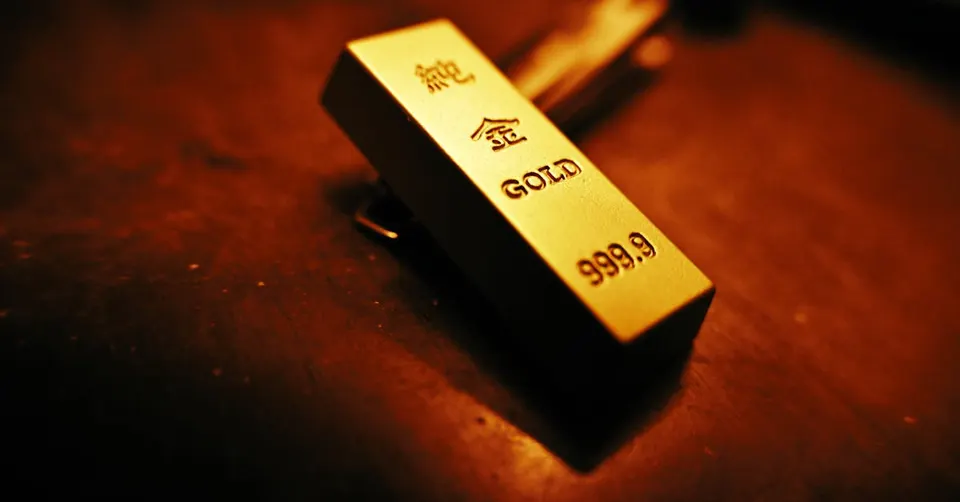
Gold as an Inflation Hedge: Why Iranian Savers Watch the Metal
Gold has long been viewed as a safe‑haven asset that can protect wealth when a country’s currency loses value. When the rial depreciates rapidly—often due to sanctions, fiscal deficits, or high inflation—people turn to gold because its price is quoted in foreign currencies, mainly the US dollar. A modest dip of 0.7% in gold’s price can therefore feel significant to Iranians, as it signals a potential weakening of that protective buffer.
The mechanism behind gold’s hedge role is simple: while a nation’s money supply may expand and erode purchasing power, the global supply of gold grows very slowly. This scarcity means that, over the long run, gold tends to retain its real value. For households that cannot easily invest in foreign‑denominated bonds or equities, buying physical gold or holding it in a bank account becomes a practical way to preserve savings against inflation.
In Iran, the connection between gold and the rial is especially tight because the government often uses the metal to set official exchange‑rate benchmarks. When the official rate diverges sharply from the market rate, gold prices can swing more dramatically, amplifying the impact of even a small percentage change. Savers therefore monitor daily gold quotations as closely as they watch the price of bread.
Understanding this relationship helps explain why a 0.7% dip can spark fresh caution among Iranian households. It is not just a market wobble; it is a signal that the hedge they rely on may be less effective for a time, prompting many to seek additional ways to diversify, such as foreign currency accounts, real estate, or digital assets.