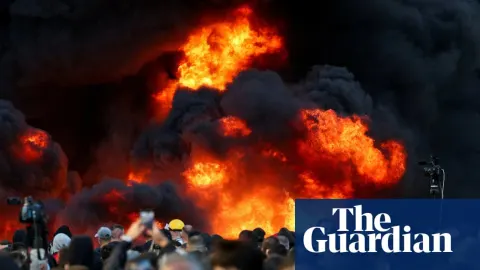
Hormuz Legal Gambit and the Hegseth Grilling: Why the Toman Gained 0.8% as Gold Prices Stayed Hot
بازی حقوقی در هرمز و استیضاح هگست: چرا تومان ۰.۸ درصد تقویت شد اما طلا همچنان داغ ماند؟
As the US Senate grills Pete Hegseth over an 'unauthorized war,' the Iranian Toman saw a rare 0.8% recovery. However, with JP Morgan warning of an oil breaking point and Tehran eyeing new controls over the Strait of Hormuz, the 'war premium' on gold remains firmly in place.
At time of publishing
USD
177,450
Toman
Gold 18K
19.95M
Toman / gram
Bitcoin
$76,100
US Dollar
Tether
17,693.1
Toman
The Toman’s Rare Breather Amid Political Firestorms
In a surprising turn for the Thursday night session, the Iranian Toman managed to claw back some ground against the greenback. The USD sell rate moved from 178,850 to 177,450, marking a 0.8% appreciation for the local currency. This movement suggests a brief moment of profit-taking or perhaps a market that has temporarily priced in the immediate escalations of the past week. For everyday Iranians, this dip provides a small window of liquidity, though the underlying fundamentals remain as volatile as ever. The market seems to be holding its breath as the political theater in Washington D.C. reaches a fever pitch, with the very legality of the current conflict being questioned on the Senate floor.
While the currency market cooled, the precious metals sector told a different story. Gold 18k rose from 19,797,543 to 19,945,750 Toman per gram, a 0.7% increase, while the Emami coin climbed 0.5% to reach 203,000,000 Toman. This divergence—where the dollar falls but gold rises—is a classic signal of deep-seated geopolitical anxiety. Investors are moving out of cash and into hard assets, fearing that the current diplomatic and military standoff is far from over. The Toman's gain today is likely a technical correction rather than a shift in trend, as the shadow of regional instability continues to loom over every domestic transaction.
The Hegseth Hearing and the 'Unauthorized War' Label
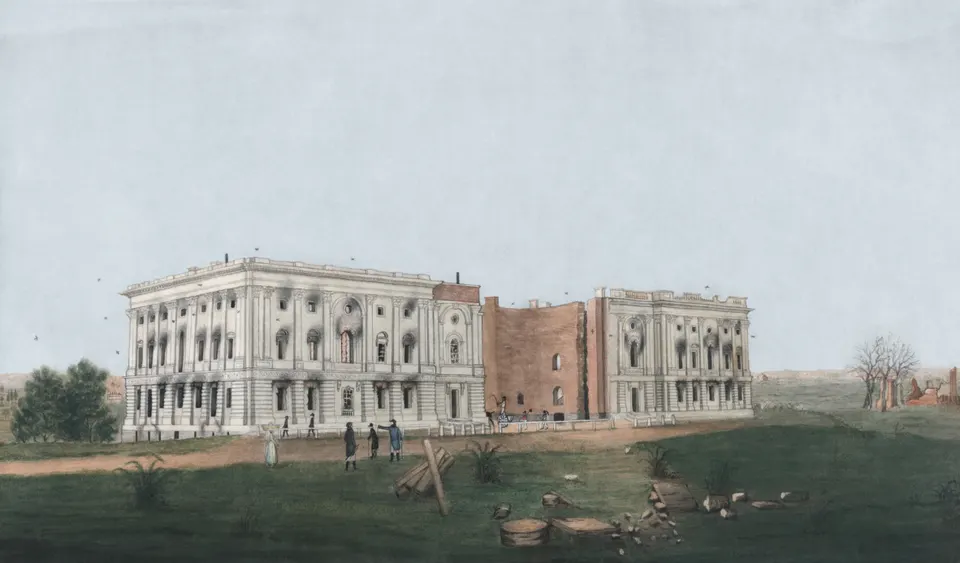
The primary driver of global sentiment today was the high-stakes hearing of Pete Hegseth, Donald Trump’s pick for Defense Secretary. Democratic senators have labeled the ongoing hostilities an "unauthorized war," a term that carries significant weight in international law and domestic US policy. This partisan friction suggests that the US administration may face internal hurdles in sustaining a long-term military campaign, which traditionally would weaken the dollar globally but, in the Iranian context, creates a vacuum of uncertainty. When Washington is divided, the Tehran market often reacts with erratic swings as traders try to guess which faction will eventually dictate the pace of sanctions and strikes.
Furthermore, Donald Trump’s latest verbal assault on German Chancellor Friedrich Merz has added another layer of complexity. By telling Merz to "fix his broken country" instead of interfering in Iran, Trump is signaling a move toward unilateralism that could isolate European allies. For Iranians, this matters because Europe has often acted as a diplomatic buffer or a secondary trade channel. If the US moves toward a policy that ignores European mediation, the economic pressure on Iran could become more direct and less predictable, forcing local businesses to hedge even more aggressively with gold and stablecoins like Tether (USDT), which currently sits at 17,693 Toman.
Oil Breaking Points and the Hormuz Gambit
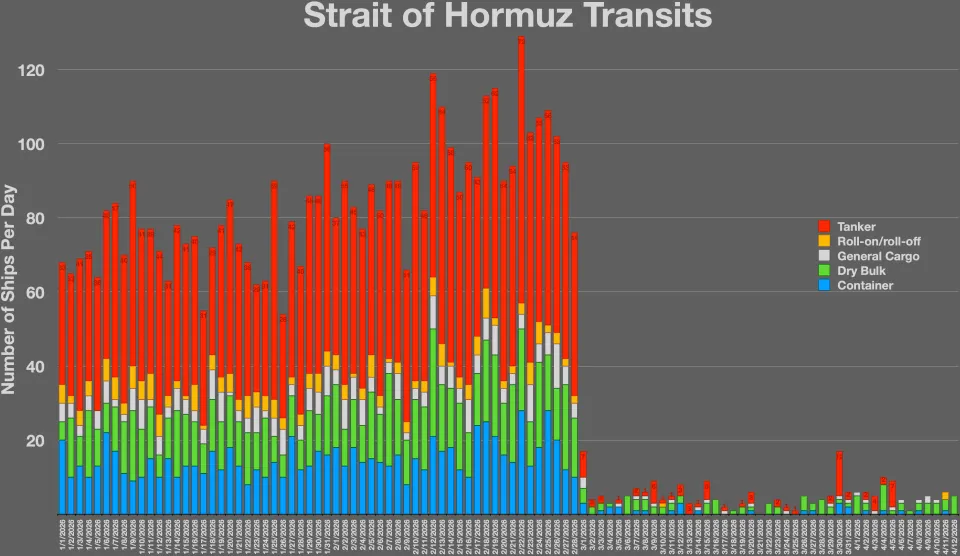
The most tangible threat to market stability remains the energy sector. Analysts at J.P. Morgan have warned that global oil supplies could hit a "breaking point" by early June if the conflict persists. This coincides with a staggering report from Vortexa indicating a net loss of 9 million barrels per day due to the Strait of Hormuz blockade. In Tehran, the Supreme Leader’s office has signaled a plan to establish "new legal frameworks" for the Strait, effectively suggesting that the rules of engagement in the world’s most vital maritime chokepoint are being rewritten. This is not just military posturing; it is an economic weapon that keeps the global price of crude elevated and, by extension, fuels inflation within Iran.
---
The Bigger Picture: Risk and Reality
As we look toward the end of the week, the market is caught between a technical recovery in the Toman and a fundamental surge in risk assets. Even the US equity markets are showing strange behavior, with Hertz shares soaring 20% on an Uber partnership, proving that speculative fever is alive and well despite the macro chaos. For the Iranian observer, this means that the global appetite for risk is still present, which might explain why Bitcoin is holding steady at $76,100. If global markets aren't panicking yet, the local market might follow suit with a period of sideways consolidation before the next major geopolitical headline breaks.
Practical Takeaway
The 0.8% drop in USD is a tactical opportunity for those needing to settle short-term debts or acquire essential imports, but it should not be mistaken for a long-term recovery. With gold and coins still rising, the smart money is staying hedged. Keep a close eye on the $4,619.60 gold ounce price; if it breaks higher, the Toman's gains will likely evaporate instantly. Diversification into stablecoins remains a prudent move to avoid the 'Hobab' (bubble) currently seen in the coin market.
Frequently Asked Questions
Why did the Dollar drop while Gold increased today?
What does Pete Hegseth's hearing mean for the Toman?
How serious is the JP Morgan oil 'breaking point' warning?
Is it a good time to buy Gold or wait for a bigger USD dip?
The Legal Status of the Strait of Hormuz under International Law
The Strait of Hormuz is one of the world’s most strategically vital waterways, linking the Persian Gulf with the open ocean. Because nearly a fifth of global oil shipments pass through this narrow channel, any disruption can ripple through international markets, affecting everything from oil prices to the value of the Iranian rial. Under the United Nations Convention on the Law of the Sea (UNCLOS), the strait is classified as a "transit passage" route, which grants all vessels the right to navigate it without seeking permission from the bordering states, provided they do not threaten the peace, good order, or security of the coastal nations.
Transit passage differs from the more limited "innocent passage" regime that applies in territorial seas. While innocent passage allows a ship to move through a coastal state's waters so long as it does not engage in hostile activities, transit passage is a higher‑priority right that cannot be impeded even during peacetime. This distinction was clarified in the 1949 Corfu Channel case before the International Court of Justice, which affirmed that states cannot arbitrarily block a strait used for international navigation.
Iran and the United Arab Emirates have long contested the exact legal boundaries of the strait, especially regarding the breadth of the territorial sea and the applicability of UNCLOS provisions. Iran argues that the strait falls within its territorial waters and therefore can enforce certain security measures, while the UAE and other maritime powers emphasize the unrestricted nature of transit passage. The dispute has practical implications: if Iran were to invoke broader security controls, it could legally justify temporary closures, which would instantly spike oil prices and potentially strengthen the Iranian toman against a weakening rial.
In recent years, the legal debate has intersected with geopolitical maneuvering. U.S. naval deployments, European sanctions, and diplomatic talks—such as the recent hearings involving former U.S. Secretary of State Pete Hegseth—often reference the strait’s legal status to justify freedom‑of‑navigation operations. Understanding the UNCLOS framework helps decode why these naval actions are framed as “protecting international law” rather than mere power projection.
For investors and policymakers, the legal regime of the Strait of Hormuz is a key risk factor. A shift in the interpretation of transit passage—whether through a new UN resolution or a bilateral agreement—could alter oil supply dynamics, influence commodity prices like gold, and affect the exchange rate of sanction‑hit currencies such as the Iranian rial.