
USD Hits 183,300 as Tehran Briefs Envoys and Leadership Warns of 'Economic Struggle'
صعود دلار به ۱۸۳,۳۰۰ تومان همزمان با رایزنیهای دیپلماتیک و هشدار درباره «نبرد اقتصادی»
The Iranian Toman fell 3% today as a flurry of diplomatic meetings in Tehran failed to calm market nerves. With the leadership warning of a prolonged economic battle and global energy giants pivoting back to fossil fuels, Iranian investors are rushing into gold and hard currency as a defensive shield.
At time of publishing
USD
183,300
Toman
Gold 18K
20.58M
Toman / gram
Bitcoin
$78,429
US Dollar
Tether
18,270.3
Toman
The Diplomatic Briefing vs. Market Reality
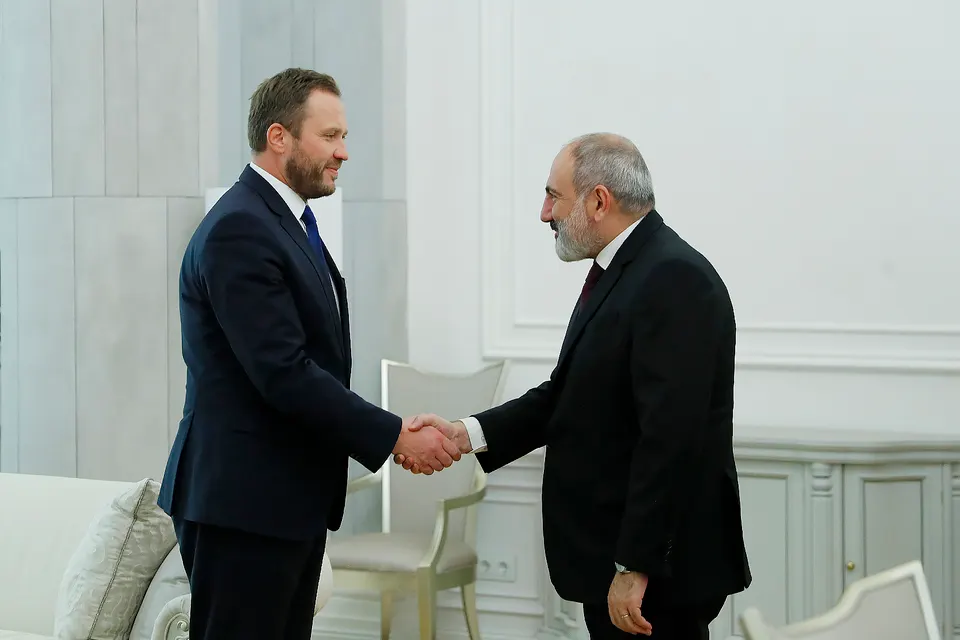
Today’s market session in Tehran was characterized by a sharp disconnect between official diplomatic optimism and the cold reality of exchange rate boards. While Deputy Foreign Minister Kazem Gharibabadi was busy briefing foreign ambassadors on a new proposal to end regional hostilities, the currency market reacted with skepticism. The US Dollar moved from 178,000 to 183,300 (+3.0%), a significant jump that reflects the high 'uncertainty premium' currently baked into the Toman. Investors are no longer waiting for the outcome of meetings; they are pricing in the risk that these diplomatic overtures might not yield immediate relief from the tightening economic noose.
This price action suggests that the market views the current proposal more as a tactical maneuver than a structural shift in geopolitics. For the average Iranian, this translates to immediate inflationary pressure. When the dollar jumps 5,000 Tomans in a single day, the ripple effects are felt in everything from imported electronics to basic groceries. The currency's volatility is being fueled by a lack of clarity regarding the U.S. position, especially as reports circulate about American troop withdrawals from Germany, which signals a broader reshuffling of global security priorities that could leave the Middle East in a prolonged state of flux.
A New Leadership, A Familiar Struggle
The economic narrative took a more somber turn today following statements from the new Supreme Leader, Mojtaba Khamenei. Acknowledging that prices are surging and jobs are disappearing under the strain of war and sanctions, the leadership has framed the current situation as an 'economic and cultural struggle.' This rhetoric is a double-edged sword for the markets. On one hand, it signals a high level of state awareness regarding the hardship faced by citizens; on the other, it confirms that the 'war economy' footing is likely to persist for the foreseeable future.

In response to this grim outlook, gold has once again asserted its dominance as the preferred hedge. Gold 18k per gram rose from 20,023,777 to 20,580,590 (+2.8%), tracking the dollar’s ascent almost perfectly. Interestingly, the Emami coin remained flat at 203,000,000 Toman, suggesting that the 'bubble' in minted coins has reached a temporary ceiling, leading savvy investors to favor raw gold or 'Abshodeh' to avoid high premiums. This shift in behavior indicates a more sophisticated approach to wealth preservation among Iranians who are increasingly wary of speculative bubbles in the coin market.
The Global Backdrop: Oil and Risk Management
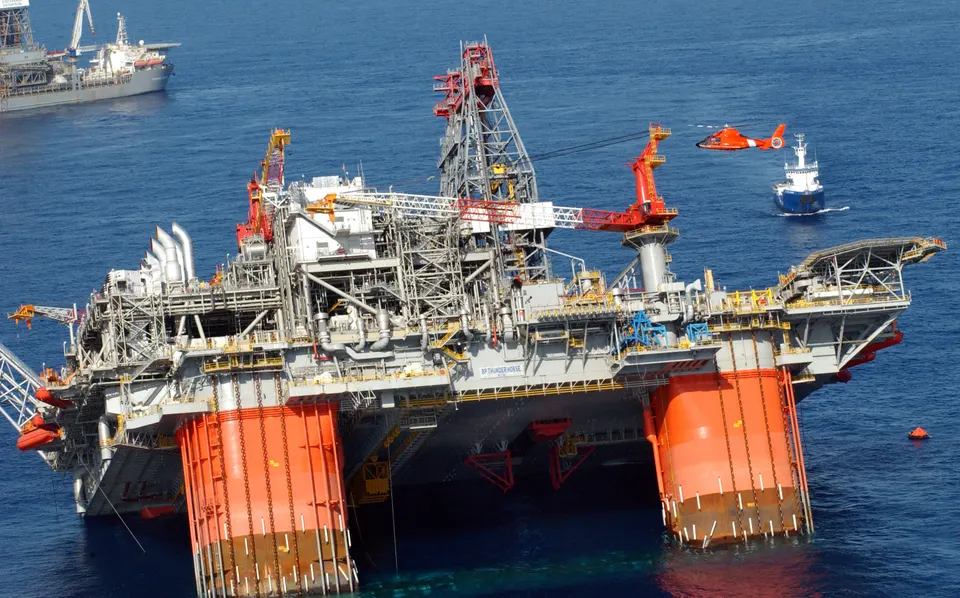
Beyond Iran’s borders, the energy market is undergoing a radical transformation that will eventually impact Tehran’s fiscal bottom line. BP’s dramatic pivot back to oil and gas, led by CEO Meg O’Neill, signals that the global transition to green energy is taking a backseat to immediate energy security and profitability. For Iran, a country whose budget remains tethered to oil exports despite sanctions, this global trend could be a lifeline. If major Western firms are doubling down on fossil fuels, the global appetite for crude—even 'gray market' crude—remains robust, providing the Iranian government with the hard currency needed to intervene in domestic markets if the Toman's slide becomes uncontrollable.
For those looking to navigate these turbulent waters, the key is diversification. While the stock market remains a source of anxiety for many, new investment strategies such as 'protected ETFs' are gaining traction globally, offering a way to participate in growth without full exposure to a crash. Locally, the practical takeaway for Iranians is clear: the 3% jump in the dollar and the 2.8% rise in gold are signals of a 'risk-off' environment. Maintaining a balance between liquid Toman for daily needs and hard assets like gold or stablecoins (USDT at 18,270) is no longer just a strategy—it is a necessity for financial survival in May 2026.
Frequently Asked Questions
Why is the USD rising despite Iran's peace proposals to foreign envoys?
Why did the Emami coin stay flat while 18k gold rose by 2.8%?
How does BP's pivot back to oil and gas affect the Iranian economy?
Understanding Parallel (Black‑Market) Exchange Rates in Sanctioned Economies
When a country faces international sanctions, its official foreign‑exchange market often cannot meet the demand for hard currencies such as the U.S. dollar. Traders and citizens turn to an unofficial, parallel market—commonly called the black‑market or “free” market—where the same currency is bought and sold at a markedly different rate. In Iran, the gap between the official Central Bank rate and the parallel rate for the rial (or toman) has widened dramatically, pushing the USD/IRR price past 183,000 in May 2026. This divergence reflects not only scarcity of dollars but also the risk premium that market participants demand to transact outside the state‑controlled system.
The mechanics of a parallel market are simple: supply and demand determine the price, but the market operates without the legal protections, transparency, or oversight of the official system. Sellers—often importers, exporters, or smugglers—require dollars to settle foreign invoices, while buyers need dollars to purchase imported goods, pay overseas debts, or hedge against inflation. Because the official channel is constrained by sanctions, the parallel market becomes the primary conduit for foreign currency, leading to rapid devaluation of the local currency and soaring inflation. Prices of imported commodities, like 18‑karat gold, rise sharply, and even digital assets such as Tether (USDT) are quoted in tomans at inflated rates.
Devaluation in a parallel market has cascading effects on the broader economy. Households see their purchasing power erode as everyday goods become more expensive, prompting the government to adjust wages or subsidies—a costly fiscal response. Moreover, the existence of two exchange rates creates arbitrage opportunities for those with access to both markets, fostering corruption and distorting economic data. Policymakers, like Iran’s Supreme Leader’s envoys, often warn of an "economic struggle" because the parallel rate signals a loss of confidence in the national currency and can undermine any peace or investment proposals.
Understanding this phenomenon helps explain why sanctions, while targeting specific sectors, can reverberate through the entire financial system. It also clarifies why measures such as a BP oil‑pivot or diplomatic overtures are framed as ways to unlock hard‑currency inflows, potentially narrowing the black‑market premium. For observers, tracking the spread between official and parallel rates offers a real‑time barometer of economic stress in sanctioned economies.
For deeper insight, see the linked references which discuss black‑market dynamics, Iran’s currency history, and the impact of sanctions on exchange rates.