Toman Recovers 3% Despite 'Surrender' Rhetoric; US Fuel Exports Surge Amid Hormuz Crisis
بازگشت ۳ درصدی ارزش تومان در میان هیاهوی «تسلیم»؛ رکورد صادرات سوخت آمریکا در بحران هرمز
The Iranian Toman defied geopolitical tension today, gaining 3% against the US Dollar as markets weigh French mediation hopes against tough talk from Tehran. While US fuel exports hit record highs due to the Hormuz blockade, domestic Iranian markets are showing a rare moment of corrective calm.
At time of publishing
USD
175,900
Toman
Gold 18K
19.96M
Toman / gram
Bitcoin
$81,471
US Dollar
Tether
17,678
Toman
The Toman’s Counter-Intuitive Rally
In a session marked by high-stakes diplomatic maneuvering, the Iranian Toman staged a surprising recovery. The USD sell rate moved from 181,300 to 175,900, representing a 3.0% decline in the dollar's value within 24 hours. This move comes at a time when the rhetorical heat between Tehran and Washington has reached a boiling point. Iran’s top negotiator recently characterized US demands as an attempt to force a "surrender," a sentiment echoed by Parliament Speaker Mohammad Bagher Ghalibaf, who declared that Iran has entered a "new phase" of war. Typically, such escalatory language would send the currency into a tailspin, but today’s market seemed to focus on the underlying diplomatic whispers rather than the public shouting.
French President Emmanuel Macron has reportedly been pushing for a plan to reopen the Strait of Hormuz even before a formal peace deal is signed. This "de-escalation first" approach has provided a glimmer of hope for traders who had priced in a total economic blockade. For the average Iranian, this 3% drop in the USD rate offers a brief sigh of relief, though the volatility remains extreme. The market is currently acting as a giant prediction machine, betting that the high-pressure rhetoric from officials like Araghchi is a tactical prelude to a compromise rather than a precursor to total kinetic conflict.
Global Energy Shifts and the Hormuz Paradox
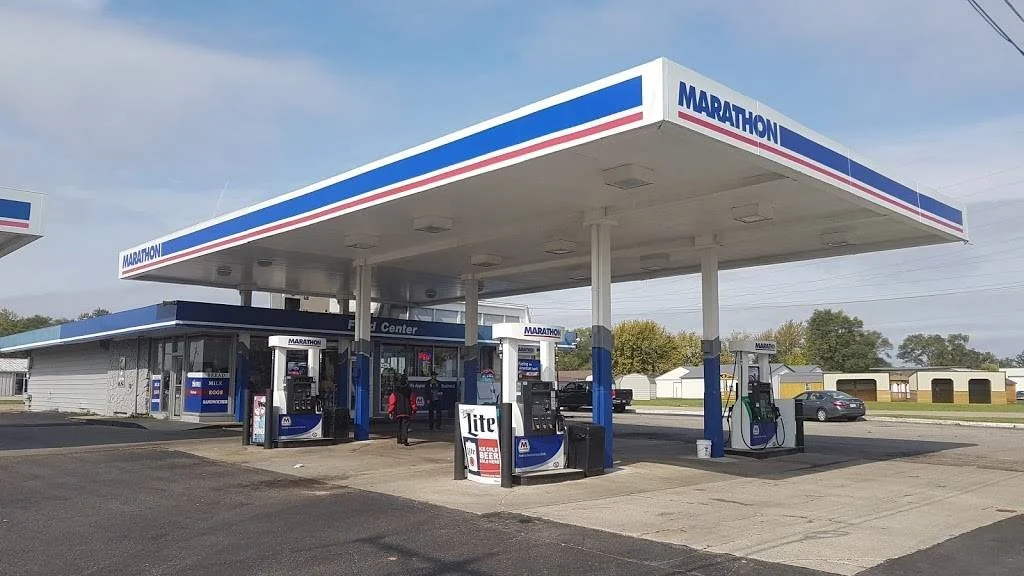
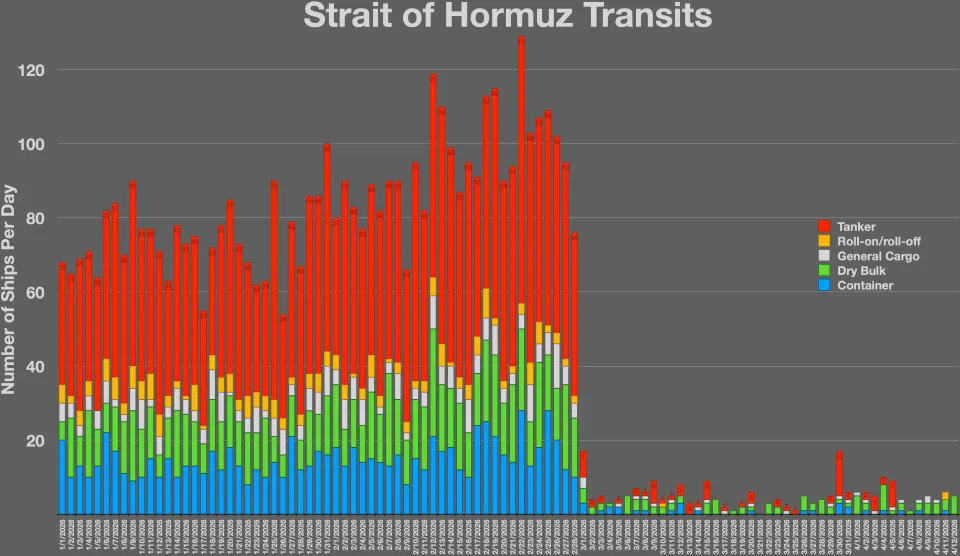
While Tehran navigates internal and external pressures, the global energy landscape is being radically reshaped by the crisis in the Strait. Recent data shows that US oil product exports surged to a record 8.2 million barrels per day. This spike is a direct result of countries scrambling to replace fuel supplies disrupted by the Hormuz standoff. As Europe faces jet fuel shortages and rising diesel costs, the United States is effectively stepping in to fill the void left by the regional instability. This creates a paradox: the very crisis that threatens Iran’s economy is cementing the US's role as the world’s primary energy guarantor, further complicating the leverage Tehran hopes to exert.
Domestically, the pressure on the oil sector is becoming undeniable. With the US blockade biting harder, Tehran’s oil may soon find itself with nowhere to go, forcing a pivot toward the domestic conservation measures Ghalibaf recently called for. The speaker’s request for citizens to treat energy conservation as a "missile" against the enemy suggests that the government is preparing for a long-term siege economy. This shift is reflected in the gold markets, where the 18k gold price saw a slight correction, moving from 20,009,464 to 19,955,214 Toman per gram (-0.3%), as some investors rotated out of safe havens back into the slightly strengthened Toman.
The Bigger Picture: Crypto and Commodities
Beyond the immediate currency fluctuations, broader markets are reacting to the possibility of a breakthrough. Mining stocks like Rio Tinto have seen breakouts as "Iran deal hopes" lift metals prices globally. Investors are sensing that if a resolution is reached, the sudden return of Iranian supply and the reopening of trade routes would trigger a massive shift in commodity valuations. Meanwhile, Bitcoin remains a vital escape valve for Iranian capital, holding steady at $81,471. The crypto market continues to serve as a secondary barometer for risk; when the Toman strengthens, we often see a stabilization in USDT demand, which was quoted at 17,678 Toman tonight.
---
Practical Takeaway
Today’s 3% drop in the USD/IRR rate is a reminder that in times of extreme geopolitics, markets often move on the 'rumor' of peace even while officials speak of 'war.' For the everyday saver, this is not a signal to abandon hedges like gold or crypto, but rather a warning against 'panic-buying' at the peak of a news cycle. Keep a close eye on the French mediation efforts; if Macron’s plan for the Strait gains traction, we could see a more sustained correction in the dollar rate. However, until the 'surrender' rhetoric softens, the structural risks to the Toman remain high.
Frequently Asked Questions
Why did the USD drop 3% despite aggressive talk from Iranian officials?
How does the record high in US fuel exports affect the Iranian economy?
What does Ghalibaf's 'new phase of war' mean for domestic prices?
The Strategic Chokepoint: Why the Strait of Hormuz Matters to Global Oil
The Strait of Hormuz, a narrow waterway linking the Persian Gulf with the Gulf of Oman, is one of the world’s most critical maritime chokepoints. At its narrowest point the channel is only about 21 nautical miles wide, yet it serves as the primary conduit for oil and gas shipments from the major producers of the Middle East – Saudi Arabia, Iran, Iraq, the United Arab Emirates, Kuwait and Qatar. Roughly 20‑25% of the world’s daily oil consumption – about 21 million barrels – passes through the strait each day, making any disruption instantly felt on global markets.
Historically, the strait has been the flashpoint for several geopolitical confrontations. During the Iran–Iraq War in the 1980s, both sides mined the waters, prompting the U.S. Navy’s “Operation Earnest Will” to escort merchant vessels. More recently, in 2019, a series of attacks on tankers heightened fears of a full‑scale blockade, causing oil prices to spike and prompting insurance premiums for ships transiting the strait to soar.
A modern blockade, whether imposed by Iran, a regional coalition, or a naval incident, can trigger a cascade of market reactions. With a significant share of supply cut off, spot oil prices typically jump, prompting import‑dependent countries to seek alternative routes such as the Cape of Good Hope – a longer and more expensive journey. Simultaneously, exporters like the United States may see a surge in fuel exports as they fill the gap left by constrained Persian Gulf shipments, a pattern observed in early 2026 when U.S. diesel and gasoline cargoes rose sharply amid Hormuz tensions. Iran’s own oil sector, already hampered by sanctions, faces further revenue loss, intensifying domestic economic pressure.
Policymakers and industry players mitigate these risks through strategic petroleum reserves, diversified supply contracts, and diplomatic engagement. Nations such as France and the United Kingdom have pledged naval patrols to keep the waterway open, while diplomatic initiatives – including recent mediation attempts by France’s President Emmanuel Macron – aim to de‑escalate rhetoric and prevent a full‑scale closure. Understanding the strategic importance of the Strait of Hormuz helps explain why headlines about “surrender” statements or record U.S. fuel exports can move markets far beyond the immediate region.