Toman Under Pressure as Trump’s Approval Plummets: USD Hits 187,600 Amid 'Oil War' Fallout
فشار بر تومان همزمان با سقوط محبوبیت ترامپ؛ دلار به ۱۸۷,۶۰۰ رسید
The Iranian Toman faced a sharp 2% decline today as global markets reacted to a record-high 62% disapproval rating for Donald Trump, fueled by his administration’s costly economic confrontation with Tehran. With Emami coins crossing the 206 million Toman mark, the 'oil war' narrative is no longer just a headline—it is directly hitting the pockets of Iranian households.
At time of publishing
USD
187,600
Toman
Gold 18K
20.95M
Toman / gram
Bitcoin
$78,742
US Dollar
Tether
18,872.8
Toman
The 2% Reality Check
The Sunday night session in Tehran closed with a palpable sense of anxiety as the US Dollar moved from 184,000 to 187,600 Toman, marking a significant 2.0% jump in just 24 hours. This isn't merely a fluctuation; it's a market verdict on the escalating geopolitical friction. For the average Iranian, this move translates to immediate concerns regarding the price of imported goods and the erosion of purchasing power. The gold market followed suit, with 18k gold rising from 20,669,698 to 20,947,873 Toman (+1.3%), while the Emami coin surged 1.5% to settle at 206,000,000 Toman.
This upward trajectory in hard assets suggests that the local market is pricing in a prolonged period of instability. When the dollar moves this decisively in a single session, it often triggers a psychological shift among savers, moving them away from liquid Toman accounts and toward the relative safety of gold and stablecoins like USDT, which is currently trading at 18,873 Toman. The divergence between the official rhetoric of stability and the reality of the exchange boards is widening, leaving investors to navigate a landscape where 'wait and see' is becoming an expensive strategy.

---
The Trump Factor and the Global Oil Crisis
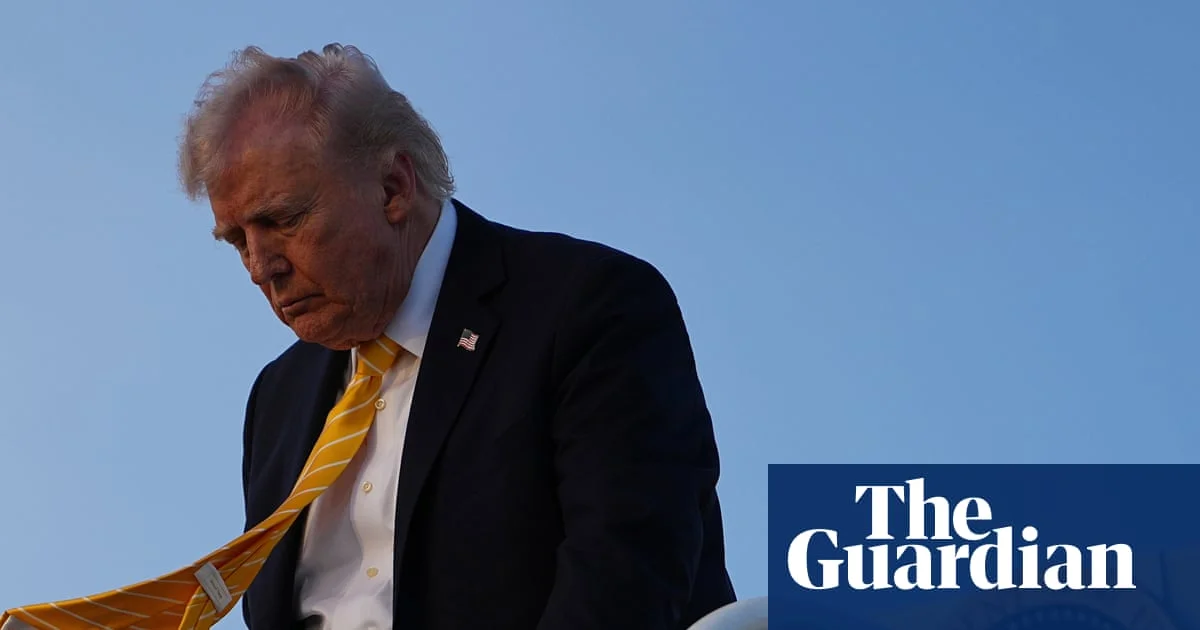
Across the Atlantic, a new Washington Post-ABC News-Ipsos poll has sent shockwaves through global markets, revealing that Donald Trump’s disapproval rating has hit a record high of 62%. The primary driver? The economic fallout from what the poll describes as his 'deeply unpopular war against Iran' which began in February 2026. This conflict has not only strained regional security but has plunged the global economy into a severe oil crisis, pushing gas prices to a four-year high. For Iranians, this global disapproval is a double-edged sword. While it signals domestic political pressure on the White House, it also underscores the reality of the 'oil war' that is currently throttling supply chains and fueling local inflation.
Furthermore, the Trump administration’s attempt to pivot away from green energy has hit a significant legal wall. Federal judge Denise J. Casper recently rejected efforts to scale back renewable energy rollouts, highlighting a fractured US energy policy. While Trump favors coal and oil, the legal pushback suggests that his administration’s ability to unilaterally reshape global energy markets is being challenged. For Iran, a nation whose economy is inextricably linked to energy exports, these shifts in US policy—and the resulting legal and political gridlock—create a volatile environment for oil pricing and sanctions enforcement.
---
Strategic Resilience and the 'White Gold' Shift
Amidst the external pressure, First Vice President Mohammad Reza Aref has been vocal about the resilience of the domestic energy sector. Praising the oil industry’s 'key role' during this period of imposed economic warfare, Aref emphasized that the sector remains the backbone of the Iranian economy. This rhetoric is aimed at boosting domestic confidence, yet the market remains skeptical as long as the naval incidents, such as the recent attack on a bulk carrier near Sirik, continue to threaten shipping lanes. The tension in the Strait of Hormuz remains the single most important variable for both Tehran’s budget and the global price of crude.
Interestingly, a long-term threat to the traditional energy paradigm emerged today from the US Geological Survey. The discovery of 2.3 million metric tons of economically recoverable lithium—often called 'white gold'—in the Appalachian mountains could eventually reduce US dependency on foreign minerals. While this won't change the price of the Toman tomorrow, it signals a shift in the global resource map. Investors in Tehran should keep an eye on these macro trends; as the US seeks mineral independence, the geopolitical leverage of traditional energy exporters may shift, necessitating a more diversified approach to national and personal wealth management.

---
Practical Takeaway for the Week Ahead
As we head into Monday, the 187,600 level for USD acts as a critical psychological resistance. If the market fails to cool down, we may see a run toward the 190,000 mark. For retail investors, the 1.5% gain in Emami coins reinforces the role of gold as the primary hedge against currency devaluation. However, with Bitcoin nearing $79,000, the digital asset space is offering a high-beta alternative for those looking to bypass traditional banking restrictions. Diversification remains the only defense against a 'war-footing' economy.
Watch
New poll shows the rising cost of living sinking Trump's approval rating
ABC News
Frequently Asked Questions
Why did the USD/IRR exchange rate jump 2% today?
How does Trump's 62% disapproval rating affect the Iranian market?
Is Bitcoin a viable alternative to gold for Iranian investors right now?
What is the significance of the lithium discovery in the US for Iran?
Understanding Currency Devaluation: The Case of the Iranian Toman
Currency devaluation refers to the official lowering of a currency's value relative to other currencies, often in a fixed or semi-fixed exchange rate system. In floating exchange rate systems, it's more accurately described as depreciation. When a currency like the Iranian Toman loses significant value against the US Dollar, it signifies a deep imbalance between the supply and demand for foreign currency within the domestic economy. This phenomenon directly impacts a nation's purchasing power, trade balance, and overall economic stability, making it a critical indicator of economic health.
The primary drivers behind such a sharp devaluation are often a combination of economic fundamentals and external pressures. Economically, a country's ability to earn foreign currency (primarily through exports) and its demand for foreign currency (for imports, capital flight, or external debt servicing) dictate the exchange rate. For Iran, geopolitical tensions, such as an 'oil war' or instability in the Strait of Hormuz, directly threaten its oil export capacity. Reduced oil sales mean a significant drop in the supply of US Dollars entering the Iranian economy, while domestic demand for foreign goods and a desire to preserve wealth in more stable currencies (capital flight) continue or even increase, creating immense pressure on the Toman.
Adding to these economic strains are international sanctions. Sanctions restrict a country's access to global financial markets and banking systems, making it exceedingly difficult to conduct international trade, even for non-sanctioned goods. This effectively chokes off avenues for earning foreign currency and dramatically increases the cost and complexity of transactions that require foreign exchange. The cumulative effect is a severe shortage of hard currency, forcing the local currency to devalue sharply as local businesses and individuals compete for the limited supply of foreign exchange.
The consequences of rapid currency devaluation are far-reaching. Domestically, it leads to soaring inflation as imported goods become prohibitively expensive, eroding the purchasing power of ordinary citizens. This can manifest in rising prices for everyday necessities and a rush to convert local savings into more stable assets, such as gold, foreign currency, or even local physical assets like the Emami coin, as a hedge against further loss of value. Such conditions can trigger a cycle of economic instability and reduced public confidence.
In essence, the pressure on the Iranian Toman, as seen in the USD/IRR exchange rate, is a complex interplay of reduced foreign currency earnings due to geopolitical events, exacerbated by the restrictive environment created by international sanctions, and underlying domestic economic pressures. Understanding these intertwined factors is crucial for grasping the dynamics of currency movements in challenging economic and political landscapes.