Toman Recovers as Geopolitical Tensions Ease; Gold Sees Slight Dip
ریال با کاهش تنشهای ژئوپلیتیکی بهبود یافت؛ طلا اندکی کاهش یافت
The Iranian Toman saw a notable recovery against the US dollar today, shedding significant value as geopolitical tensions in the Middle East appeared to de-escalate. Meanwhile, gold prices experienced a slight dip, reflecting a broader shift in market sentiment.
At time of publishing
USD
184,900
Toman
Gold 18K
20.25M
Toman / gram
Bitcoin
$80,436
US Dollar
Tether
18,178.5
Toman
What Actually Happened
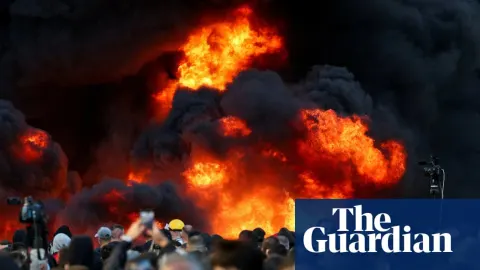
The Iranian Toman staged a comeback today, reversing some of its recent losses against the US dollar. The sell rate for USD closed at 184,900 Toman, a significant drop from its previous levels, indicating increased demand for the local currency. This appreciation is largely attributed to a perceived easing of regional tensions, following reports of de-escalation in the volatile Strait of Hormuz. While specific details remain scarce, the market appears to be reacting positively to signals that direct confrontations may be diminishing.
Concurrently, gold prices saw a minor correction. The Emami coin closed at 205,000,000 Toman, down 0.5% from its previous high. The 18-carat gold gram price also followed suit, falling by 3.5% to 20,249,549 Toman. This slight decline in gold prices, despite the overall market's positive reaction to geopolitical news, suggests that investors are re-evaluating safe-haven assets as immediate risks appear to subside. The gold ounce in USD also dipped slightly, closing at $4,524.60.
---
Why This Matters to You
For everyday Iranians, the strengthening Toman means that the purchasing power of your savings in local currency has increased. If you hold Toman, your money can now buy more goods and services, both domestically and potentially internationally, as the exchange rate becomes more favorable. This can offer some relief from inflationary pressures that have been eroding savings over time. The dip in gold prices, while not dramatic, could present a buying opportunity for those looking to invest in precious metals at a slightly lower entry point, or it might signal a temporary pause before gold resumes its upward trend if new geopolitical uncertainties emerge.
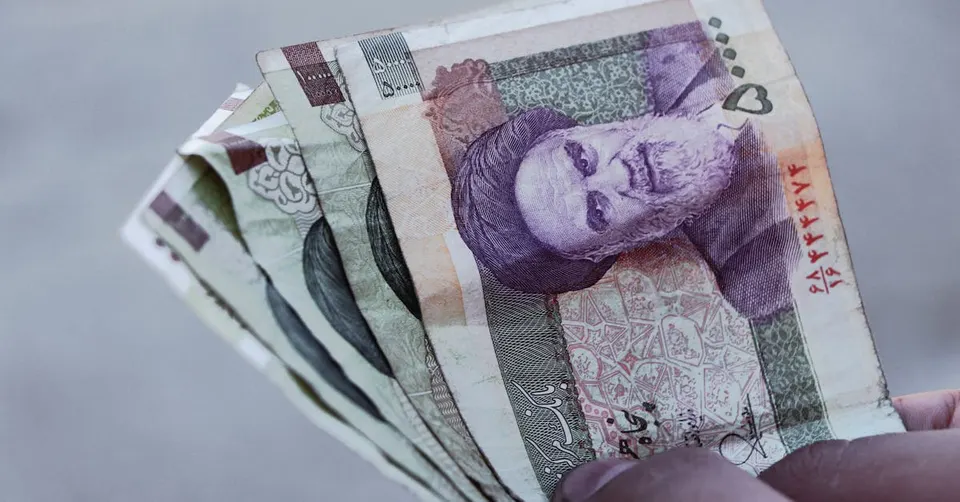
The recovery in the Toman is particularly significant given the recent volatility. It suggests that external factors, such as regional stability, play a crucial role in the value of your daily earnings and savings. A more stable currency environment can foster greater confidence in the economy, encouraging spending and investment. For those planning international travel or remittances, a stronger Toman makes these activities more affordable. Conversely, the slight dip in gold prices might cause concern for those who view gold as their primary inflation hedge, but it also highlights the dynamic nature of asset values, which can fluctuate with global events.
---
The Bigger Picture
Globally, oil prices have surged past $114 a barrel due to renewed Middle East tensions, as reported by MarketWatch [11]. This rise in oil prices often correlates with increased geopolitical risk. However, today's market action in Tehran suggests that the immediate impact of these tensions on the Iranian currency may be receding, at least for the moment. The news that the UAE intercepted Iranian-fired drones [7] and the US denial of a warship being hit adds complexity to the regional narrative, but the market's reaction points towards a temporary abatement of immediate fears.

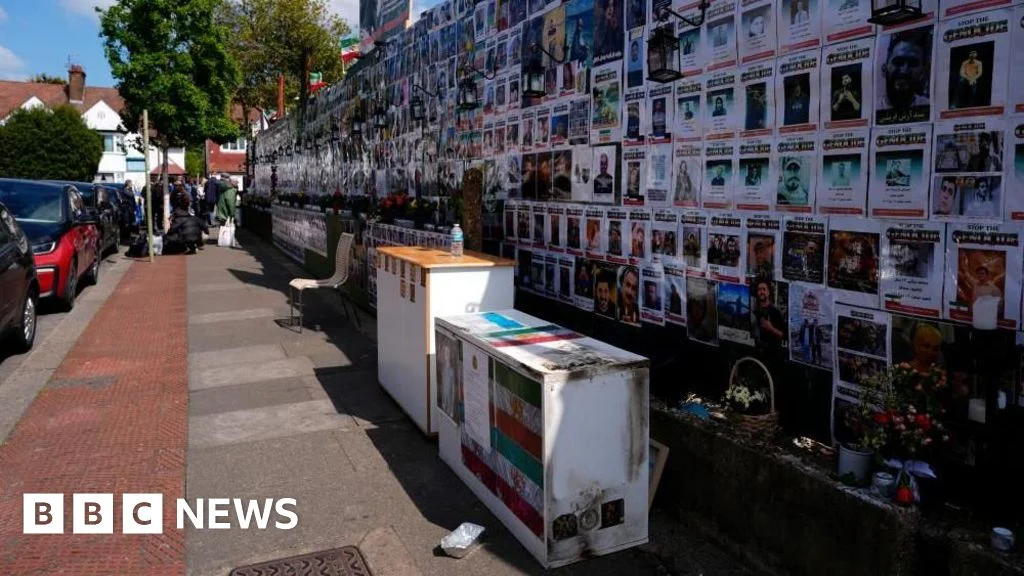
Furthermore, the arrest of two individuals in connection with an arson attack at a memorial in Golders Green [2] is an isolated incident that, while concerning, does not appear to have directly impacted the broader market sentiment today. On the cryptocurrency front, Bitcoin hovered around $80,000, with reports of potential regulatory clarity in the US potentially boosting crypto stocks [0]. While crypto markets are often decoupled from traditional assets, their stability or volatility can sometimes influence broader investor risk appetite.
---
Today's Takeaway
Today's market movements underscore the significant influence of geopolitical sentiment on the Iranian Toman. As tensions in the Strait of Hormuz appear to be easing, the Toman has found its footing. For investors and citizens alike, staying informed about regional stability is as crucial as tracking economic indicators. The slight correction in gold prices suggests a temporary cooling of safe-haven demand, but the underlying volatility in oil markets indicates that this calm may be short-lived. Keep a close eye on geopolitical developments, as they will likely continue to dictate currency and gold price movements in the coming days.
Frequently Asked Questions
What caused the Iranian Toman to strengthen today?
Why did gold prices decrease slightly?
How does the strengthening Toman affect ordinary Iranians?
What is the outlook for oil prices?
What was the performance of Bitcoin today?
Safe‑Haven Assets: How Geopolitical Tension Shapes Gold, Bitcoin and the Iranian Toman
When political uncertainty spikes—whether it’s a standoff in the Strait of Hormuz or broader Middle‑East volatility—investors scramble for assets that are expected to retain value. These are called safe‑haven assets, a category that traditionally includes gold, government bonds of stable economies, and increasingly, cryptocurrencies like Bitcoin. The logic is simple: if a conflict threatens trade routes, currencies, or supply chains, money placed in a perceived safe store of value should be less exposed to sudden loss.
Gold’s reputation as a safe haven dates back millennia, but its modern price dynamics are tightly linked to geopolitical risk premiums. When tensions rise, demand for physical gold and gold‑linked ETFs often surges, pushing the price up; conversely, when diplomatic talks ease, the premium shrinks and the price can dip, as seen in recent market data where gold slipped modestly after the Strait of Hormuz flare‑up cooled.
Bitcoin’s role as a digital safe haven is more contested. Its price reacts not only to traditional risk sentiment but also to sanctions regimes and capital‑control measures. In Iran, where the Toman (officially the rial) is heavily regulated and subject to devaluation, some citizens turn to Bitcoin to bypass banking restrictions and preserve purchasing power. However, Bitcoin’s volatility means it can behave like a speculative asset rather than a true hedge, especially when global risk appetite shifts.
The Iranian Toman’s exchange rate against the US dollar illustrates how geopolitics can pressure a currency directly. Sanctions, oil‑export disruptions, and regional instability all feed into a higher risk premium that forces the Central Bank to intervene, often through official USD/IRR windows that differ sharply from the black‑market rate. When tensions ease, the premium narrows, and the official rate may recover modestly, giving the appearance of a “stronger” Toman.
Understanding safe‑haven dynamics helps investors and ordinary citizens alike gauge why gold may dip while Bitcoin spikes—or vice‑versa—during periods of geopolitical change. It also clarifies why domestic currencies like the Toman can swing dramatically in response to the same events that move global commodity prices.