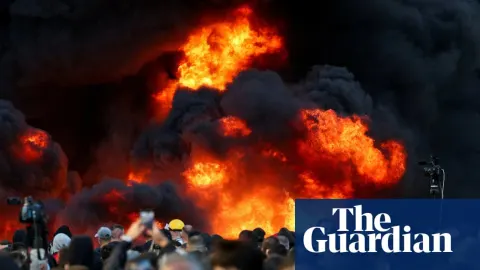
Gold & Coins Surge as US Sanctions Iraq Oil Links to Iran, Heightening Regional Risk
اوجگیری سکه و طلا با تحریمهای آمریکا علیه روابط نفتی عراق و ایران؛ تشدید ریسک منطقهای
Iranian markets reacted sharply today, with Emami coins and 18k gold seeing significant gains, while the dollar also strengthened. This movement comes amidst renewed US sanctions targeting Iraq's oil trade with Iran, a development poised to ripple through regional energy markets and potentially impact everyday costs for Iranians. Investors are seeking stability in traditional safe havens as geopolitical tensions escalate.
At time of publishing
USD
176,900
Toman
Gold 18K
20.12M
Toman / gram
Bitcoin
$79,707
US Dollar
Tether
17,750
Toman
What Actually Happened
Today's trading session closed with a clear flight to safety, as both precious metals and the U.S. dollar posted notable gains. The Emami coin led the charge, rising from 193,000,000 Toman to 195,000,000 Toman, marking a significant +1.0% increase. Similarly, 18-karat gold per gram moved from 19,963,987 Toman to 20,118,195 Toman, securing a robust +0.8% climb. Parallel to this, the U.S. dollar also demonstrated resilience, advancing from 176,000 Toman to 176,900 Toman, reflecting a +0.5% appreciation against the Rial. These movements underscore a growing apprehension in the market, with investors positioning themselves against perceived geopolitical risks.
This market reaction was largely catalyzed by the latest actions from Washington. The U.S. Treasury Department announced new sanctions targeting Iraq’s deputy oil minister, Ali Maarij Al-Bahadly, along with several leaders of Iran-aligned militias such as Kata’ib Sayyid Al-Shuhada and Asa’ib Ahl Al-Haq. The accusation is severe: facilitating the diversion of Iraqi crude oil to benefit Iran and its allied groups [8]. This direct intervention into a long-standing gray area of oil trade signals a renewed American resolve to disrupt financial flows to Tehran, injecting fresh uncertainty into regional energy markets and impacting the broader economic sentiment across the Middle East.
Why This Matters
For everyday Iranians, these developments have tangible implications, particularly concerning inflation and the preservation of savings. The appreciation of the U.S. dollar and the surge in gold and coin prices act as a double-edged sword. While those holding these assets might see a temporary increase in their wealth measured in Toman, it also signals underlying inflationary pressures and a weakening national currency. Historically, precious metals and foreign currencies have served as crucial hedges against economic instability and currency depreciation in Iran, making their upward trajectory a key indicator of public confidence and economic outlook.
The U.S. crackdown on Iraqi oil links to Iran directly impacts the supply and pricing dynamics of crude oil, a commodity that underpins global energy costs and, by extension, the prices of nearly all goods. Any disruption or perceived tightening of oil flows from the region, exacerbated by the ongoing challenges like the UAE reportedly running "ghost tankers" through the Strait of Hormuz to bypass blockades [7], can lead to higher international oil prices. For Iranian households, this translates into increased costs for imported goods and domestic products reliant on energy-intensive production or transportation, further eroding purchasing power and making daily life more expensive.
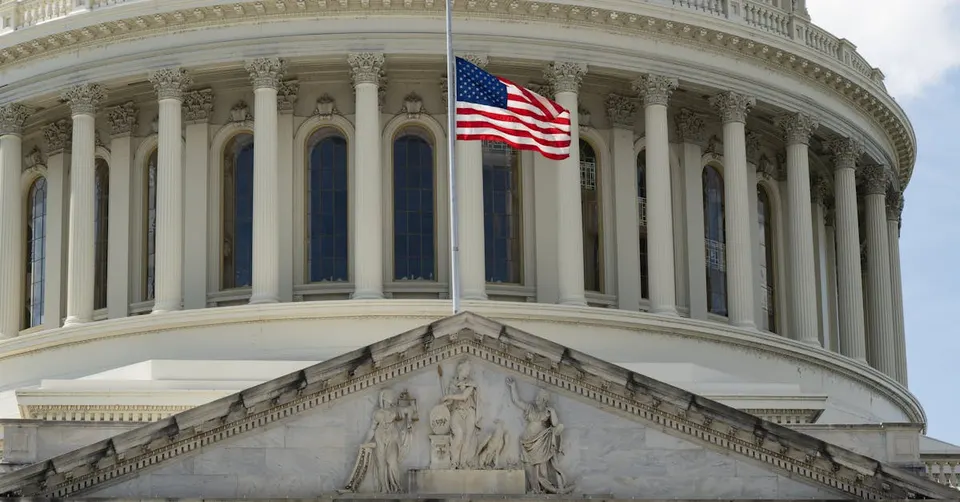
Furthermore, the crypto market, often seen as an alternative for wealth storage, is also facing its own set of challenges. News emerged that the U.S. Treasury is demanding Binance, one of the world's largest cryptocurrency exchanges, comply with stricter monitoring guidelines. This follows reports that over $1 billion flowed through the platform to Iran-linked groups [1]. Such regulatory scrutiny, while aimed at combating illicit finance, increases the operational risks for platforms and users in sanctioned regions. For Iranians engaging with crypto, this raises concerns about access, liquidity, and the overall security of their digital assets, potentially pushing them towards less regulated, riskier avenues or back towards traditional safe havens like gold.
The Bigger Picture
Beyond the immediate market fluctuations, the geopolitical chess game continues to unfold. While the U.S. is tightening its economic grip, Iran's First Vice President Mohammad Reza Aref recently articulated Tehran's regional perspective, emphasizing cooperation rather than an exclusive approach [12]. This statement, issued amidst heightened tensions, suggests an effort to project a diplomatic image, possibly aiming to mitigate the impact of external pressures and foster regional stability. However, the practical implications of such diplomatic overtures against the backdrop of escalating sanctions remain to be seen in the real economy.
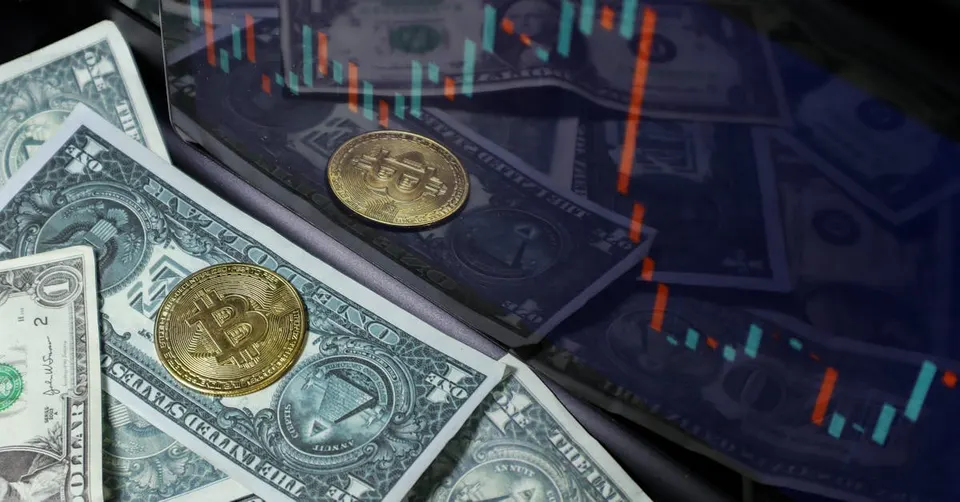
Meanwhile, the global cryptocurrency landscape is grappling with evolving investor sentiment. Billionaire Michael Saylor, a prominent Bitcoin maximalist known for his steadfast belief in never selling his Bitcoin holdings, appears to be rethinking his strategy after experiencing three consecutive quarterly losses [20]. This shift from one of crypto’s most vocal proponents signals a potential re-evaluation of long-term holding strategies among institutional and large-scale investors. While Bitcoin (BTC) is currently trading around $79,707 with no explicit 24h delta provided today, such news can influence broader market sentiment, leading to increased caution or profit-taking, even if the underlying technology remains robust.
For Iranian investors navigating these complex waters, the message is clear: vigilance and diversification are paramount. The interplay between international sanctions, regional geopolitical dynamics, and global market trends directly shapes the value of your assets. Whether it's the Toman, U.S. dollar, gold, or cryptocurrencies, understanding the underlying forces at play is crucial for making informed decisions. As regional tensions simmer and regulatory landscapes shift, staying updated on these interconnected narratives will be key to protecting and growing your wealth in the days ahead.
Frequently Asked Questions
What specific US sanctions were announced today and how do they relate to Iran?
How do these new oil sanctions affect oil prices and, consequently, daily costs for Iranians?
What is the significance of Binance being asked to comply with monitoring guidelines regarding Iran-linked groups?
Why are gold and coins often considered safe haven assets in Iran, particularly during geopolitical tensions?
What does Michael Saylor's change of mind about selling Bitcoin imply for the broader crypto market?
Why Sanctions Send Gold Prices Soaring
Economic sanctions are tools used by countries or international bodies to pressure governments by restricting trade, finance, and investment. When a nation like Iran faces broad sanctions, its ability to sell oil, access foreign currency, and conduct normal banking operations is severely limited. This creates uncertainty about the value of the sanctioned country’s currency and its overall economic stability.
Investors seeking to protect wealth from such uncertainty often turn to assets that are perceived as safe havens. Gold, with its long history as a store of value, is the classic example. Because gold is priced globally in U.S. dollars and is not tied to any single nation's banking system, demand for it spikes when sanctions disrupt normal market flows. The surge in buying pushes up the spot price of gold, a pattern observed repeatedly during periods of heightened geopolitical tension.
The ripple effects extend beyond the sanctioned country. Regional economies that trade heavily with the target nation—such as Iraq’s oil sector, which has links to Iran—may also feel pressure. Capital flight, higher risk premiums, and a scramble for liquidity can lead to broader currency volatility, prompting even non‑sanctioned investors to hedge with gold. This dynamic helps explain why headlines link “gold and coin surges” to new sanctions on Iraq‑Iran oil connections.
For crypto markets, the story is similar. When traditional financial channels are blocked, users look for alternative stores of value, including digital assets like Bitcoin. However, the regulatory crackdown on platforms such as Binance Iran adds another layer of risk, making gold’s tangible nature even more attractive to risk‑averse investors.
Understanding the link between sanctions, currency instability, and gold’s safe‑haven appeal equips readers to interpret market moves during geopolitical crises, rather than reacting purely to headline noise.