
Toman Inches Toward 180k as Trump Media’s $406M Crypto Loss Jolts Sentiment
خیز آرام دلار به سمت ۱۸۰ هزار تومان همزمان با شوک ضرر ۴۰۶ میلیون دلاری ترامپ از بیتکوین
The Iranian Toman continued its slow ascent tonight, reaching 177,100 as traders weigh regional ceasefire fragility against a massive crypto-driven loss in the Trump business empire. With Bitcoin hovering near $80,886, the intersection of US political finance and local currency pressure is creating a complex web for Tehran’s investors.
At time of publishing
USD
177,100
Toman
Gold 18K
20.21M
Toman / gram
Bitcoin
$80,886
US Dollar
Tether
17,748.9
Toman
The Toman’s Creeping Ascent
As the Saturday night session in Tehran concludes, the dominant story remains the persistent, albeit measured, climb of the US Dollar against the Toman. The USD moved from 176,700 to 177,100 (+0.2%), a movement that reflects more than just simple supply and demand. In the local bazaar, this 'creeping' inflation is often more psychologically damaging than a sudden spike, as it suggests a floor that is steadily rising. The Emami coin followed suit, rising from 195,000,000 to 195,500,000 (+0.3%), signaling that gold remains the preferred sanctuary for those looking to exit the Toman before the next major resistance level at 180,000 is tested.
This movement comes at a time when the Iranian public is hyper-aware of global risk signals. The 24-hour delta shows a market that is not panicking, but certainly positioning itself for a volatile week ahead. While the 0.1% rise in 18k gold—moving from 20,186,758 to 20,214,922 per gram—seems negligible, the cumulative effect over the past week has forced many small-scale savers to reconsider their liquidity. For the average Iranian, the cost of imported goods and the preservation of purchasing power are tied directly to these nightly closing rates, which currently show no signs of a reversal.

Trump Media’s Crypto Reckoning and Bitcoin Stability
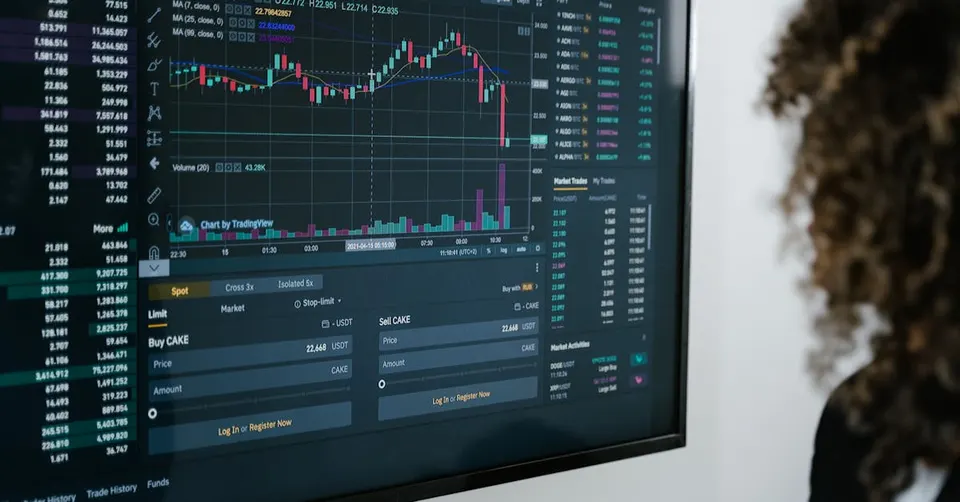
In a development that has captured the attention of Tehran’s growing crypto community, Trump Media & Technology Group reported a staggering $406 million loss for the first quarter. This loss was primarily driven by $244 million in unrealized losses on its Bitcoin and CRO holdings. For Iranian investors who have looked to Bitcoin (currently at $80,886) as a hedge against domestic inflation, this serves as a stark reminder of the 'mark-to-market' volatility inherent in digital assets. If a major US political figure's conglomerate can see its balance sheet decimated by a crypto drawdown, the local retail investor must be twice as cautious.
Despite the negative news from the Trump camp, Bitcoin has shown remarkable resilience, holding the $80,000 line. This stability is crucial for the Iranian market, where Tether (USDT) acts as a secondary shadow currency. Currently priced at 17,749 Toman, Tether remains slightly higher than the physical USD sell rate, indicating a continued premium on digital liquidity. The news that Australian police seized $4.2 million in Bitcoin from darknet operators and the ongoing debate over the 'Clarity Act' in the US Senate suggest that the regulatory walls are closing in, yet the 'digital gold' narrative remains largely intact for those in sanctioned economies.
Geopolitical Fragility and the Energy Factor
Beyond the charts, the geopolitical landscape remains a powder keg. In Ukraine, citizens marked the end of WWII amid a ceasefire that many describe as 'fragile' at best. For Iran, any escalation or collapse in Eastern European stability directly impacts global oil prices and, by extension, the government’s foreign exchange reserves. Similarly, the ongoing trading of fire between Israel and Hezbollah, despite previous ceasefire claims, keeps the regional 'risk premium' high. When a child is killed in a strike in Lebanon, the markets in Tehran react not just with sympathy, but with a calculated move toward hard assets.
Interestingly, energy bottlenecks are appearing in unexpected places. Kazakhstan’s $1.9 billion push to become a global data center hub is currently under threat due to severe power shortages. This matters to the crypto world because Kazakhstan has historically been a major hub for Bitcoin mining. If mining power is throttled there, the global hash rate and the cost of production for Bitcoin could shift, impacting prices globally. Meanwhile, in the US, the awarding of a no-bid $6.9 million contract to paint the DC reflecting pool to a firm with ties to Donald Trump highlights the 'crony capitalism' concerns that often drive market skepticism toward US fiscal policy.

Practical Takeaway
With the Toman stubbornly holding above 177,000 and gold prices inching upward, the 'wait and see' approach is becoming expensive. Diversifying into gold coins remains the most accessible hedge for local savers, but the $80,000 support level for Bitcoin suggests that digital assets are no longer just a speculative play—they are a core component of the modern Iranian portfolio. Watch the 180,000 Toman mark closely tomorrow; a breach there could trigger a new wave of retail FOMO.
Frequently Asked Questions
Why did Trump Media lose $406 million in one quarter?
Is the 177,100 Toman level for USD a critical resistance?
How does Kazakhstan's power shortage affect Iranian crypto users?
Understanding the Interplay Between Fiat Currency Instability and Cryptocurrency Dynamics
In economies grappling with high inflation and currency instability, like Iran's, citizens often seek alternative stores of value to protect their wealth. Historically, this might have involved foreign currencies such as the U.S. dollar, gold, or real estate. However, in recent years, cryptocurrencies have emerged as a compelling, albeit volatile, option. The Iranian Toman's fluctuating value, as hinted by phrases like "Toman Inches Toward 180k" and "Iran exchange rate tonight," exemplifies the pressures that drive individuals towards these digital assets.
The appeal of cryptocurrencies in such environments stems from their perceived independence from government control and traditional banking systems, as well as their potential for rapid appreciation. For many, Bitcoin, Tether, or even local digital assets like "Emami coin" are not just speculative investments but a means to preserve purchasing power against a depreciating local currency. The ability to transact globally with relative ease and lower fees, bypassing some capital controls, further adds to their allure, despite the inherent risks.
However, the world of cryptocurrencies is far from a stable haven. The news of "Trump Media’s $406M Crypto Loss" serves as a stark reminder of the extreme volatility inherent in these markets. While a local currency might depreciate steadily, cryptocurrencies can experience dramatic price swings, with values like "Bitcoin price 80000" quickly shifting. Such significant losses or rapid downturns can "jolt sentiment" across the broader financial landscape, impacting not only crypto holders but also influencing perceptions of financial stability and risk within the wider economy.
This dynamic creates a complex interplay: while fiat currency instability can fuel demand for cryptocurrencies, the inherent risks and volatility of digital assets can, in turn, create new layers of uncertainty. Understanding this relationship is crucial for anyone navigating financial markets in an interconnected world, especially where local economic conditions push people towards global, yet unpredictable, digital alternatives. It highlights that even perceived hedges against inflation come with their own set of significant, and sometimes sudden, risks.