
Hormuz 'Deal' Rumors Meet White House Denial: Why the Toman is Frozen at 173,000
شایعه توافق هرمز و تکذیب کاخ سفید: چرا دلار در مرز ۱۷۳ هزار تومان منجمد شد؟
The Iranian market entered a state of suspended animation this Wednesday as conflicting reports regarding an 'unofficial' deal to reopen the Strait of Hormuz hit the wires. While state media teased a breakthrough, the White House's swift dismissal has kept the USD/IRR rate stagnant at 173,000.
At time of publishing
USD
173,000
Toman
Gold 18K
18.64M
Toman / gram
Bitcoin
$74,874
US Dollar
Tether
172,227
Toman
The Tug-of-War Over the Hormuz 'Outline'
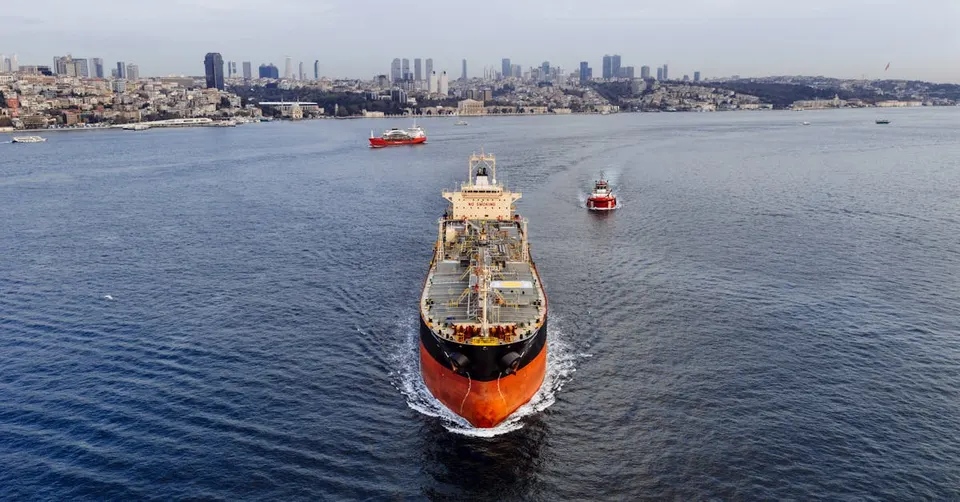
The Wednesday night session concluded with a sense of cautious exhaustion in Tehran’s financial circles. The primary driver of today’s sentiment was a report, cited by Iranian state media, suggesting that an 'unofficial' outline for a deal with the United States had been reached. This purported agreement allegedly focused on the critical reopening of the Strait of Hormuz, a move that would theoretically alleviate the massive energy and supply chain bottlenecks currently strangling the regional economy. However, the optimism was short-lived as the White House immediately branded the report a “complete fabrication.” This direct contradiction created a vacuum of certainty, leading the USD/IRR exchange rate to hold perfectly flat at 173,000 Toman, showing a 0.0% change over the last 24 hours.
For the average Iranian, this stalemate is more than just a headline; it represents a continuation of the high-stakes waiting game that has defined the 2026 economic landscape. While the 'deal' rumors provided a temporary psychological floor for the Toman, the lack of official confirmation from Washington prevented any significant appreciation. Traders are currently unwilling to bet against the dollar while the threat of continued blockades remains, yet they are also hesitant to buy more USD at these record highs in case a diplomatic breakthrough actually materializes behind closed doors.
---
Trump’s Accusations and the Midterm Clock
Adding another layer of complexity to the market's indecision is the latest rhetoric from the White House. During a cabinet meeting on Wednesday, President Donald Trump accused Tehran of intentionally stalling peace negotiations. Trump’s narrative suggests that Iranian leadership is attempting to “out-wait” his administration until the U.S. midterm elections in November, hoping for a more favorable political landscape or a shift in American leverage. This political posturing has injected a sense of long-term dread into the markets, as it implies that a definitive resolution may not be reached for several more months.
This delay tactic, whether real or perceived, has direct consequences for Iranian purchasing power. As long as the 'war premium' remains baked into the price of goods, inflation continues to erode household savings. The Intelligence Ministry’s recent statement further complicates the domestic mood, claiming that the 'enemy' has shifted its focus toward 'hybrid warfare'—specifically targeting the economy through media manipulation and cyber attacks. By framing economic volatility as an external attack, the government is signaling to the public that the current price levels, including the 173,000 Toman dollar, are a battlefield that requires national resilience rather than just market correction.
---
Gold Eases and Crypto Rotates
While the currency market remained frozen, the gold and crypto sectors saw more active movement. Gold 18k per gram moved from 18,774,874 to 18,644,443 Toman, a decline of 0.7%. This slight cooling in gold prices reflects a minor easing of the 'panic premium' as some investors rotated capital out of safe havens in response to the peace rumors, despite the White House's denial. In the global context, Bitcoin also faced downward pressure, dropping below the $75,000 mark. Analysts suggest that reports of progress in U.S.-Iran diplomacy often trigger a 'risk-on' shift toward traditional stocks, causing a temporary drain on crypto liquidity as institutional players chase new all-time highs in the equity markets.
Even as international headlines are dominated by distracting events like the sex abuse trial of ex-DUP leader Sir Jeffrey Donaldson in the UK or domestic troop surges in Washington D.C., the Iranian investor remains laser-focused on the Hormuz outcome. The practical takeaway for tonight is clear: the market is currently 'news-blocked.' Until there is a synchronized confirmation of a deal from both Tehran and Washington, the 173,000 Toman level for the USD and the 183 million Toman mark for the Emami coin are likely to act as ironclad psychological barriers. Investors should watch for any shifts in global oil benchmarks tomorrow, as a sustained drop in oil prices could be the first real indicator that a 'shadow deal' is actually being implemented.

Frequently Asked Questions
Why did the Toman not strengthen despite reports of a deal outline?
What does Trump's 'stalling' comment mean for the currency market?
Why is the 0.7% drop in gold significant if the dollar is flat?
Understanding Dual Exchange Rate Systems in Sanctioned Economies
When a country faces heavy international sanctions, its official foreign‑exchange market often cannot meet the demand for hard currency. Governments may therefore maintain an official exchange rate—the rate used for government transactions, imports of essential goods, and sometimes for contracts with foreign partners—while a separate parallel (or black‑market) rate emerges where businesses and individuals trade currency at a market‑determined price. The two rates can diverge dramatically; in Iran, the official rial‑to‑dollar rate has been fixed near 42,000 IRR per USD, while the market rate has hovered around 173,000 IRR per USD in 2026.
The rationale behind an official rate is to control inflation, preserve foreign‑exchange reserves, and ensure that critical imports (medicine, food, fuel) can be paid for at a predictable price. However, when the official rate is over‑valued relative to market fundamentals, it creates arbitrage opportunities: importers can obtain dollars cheaply from the central bank and sell them on the parallel market for a profit. This arbitrage drains reserves and fuels corruption, prompting governments to tighten controls, limit access to foreign currency, or even criminalize unofficial trading.
A parallel market also reflects the true supply‑and‑demand balance for foreign currency. Factors such as reduced oil exports, sanctions on banking, and capital flight push the market rate higher. In Iran, the Hybrid War strategy—combining economic pressure, cyber attacks, and diplomatic isolation—has amplified these pressures, making the parallel rate a barometer of sanction impact. Citizens often turn to alternative stores of value, like gold or cryptocurrencies, to preserve wealth when the official currency loses purchasing power.
Policymakers face a trade‑off: maintaining a credible official rate can support macro‑economic stability, but if it is far from the market rate it can undermine confidence and encourage a thriving black market. Some countries have opted for a managed float or a gradual unification of rates to reduce distortions. Understanding how dual exchange rates operate helps explain why headlines report a “frozen” Toman at 173,000 IRR and why gold prices and Bitcoin often surge in such environments.