Hormuz Under Fire: Toman Hits 178,400 as US Strikes and Lindsey Graham’s Death Ignite Regional Volatility
شلیک به هرمز؛ دلار به ۱۷۸,۴۰۰ رسید در حالی که حملات آمریکا و مرگ لیندزی گراهام بازار را شعلهور کرد
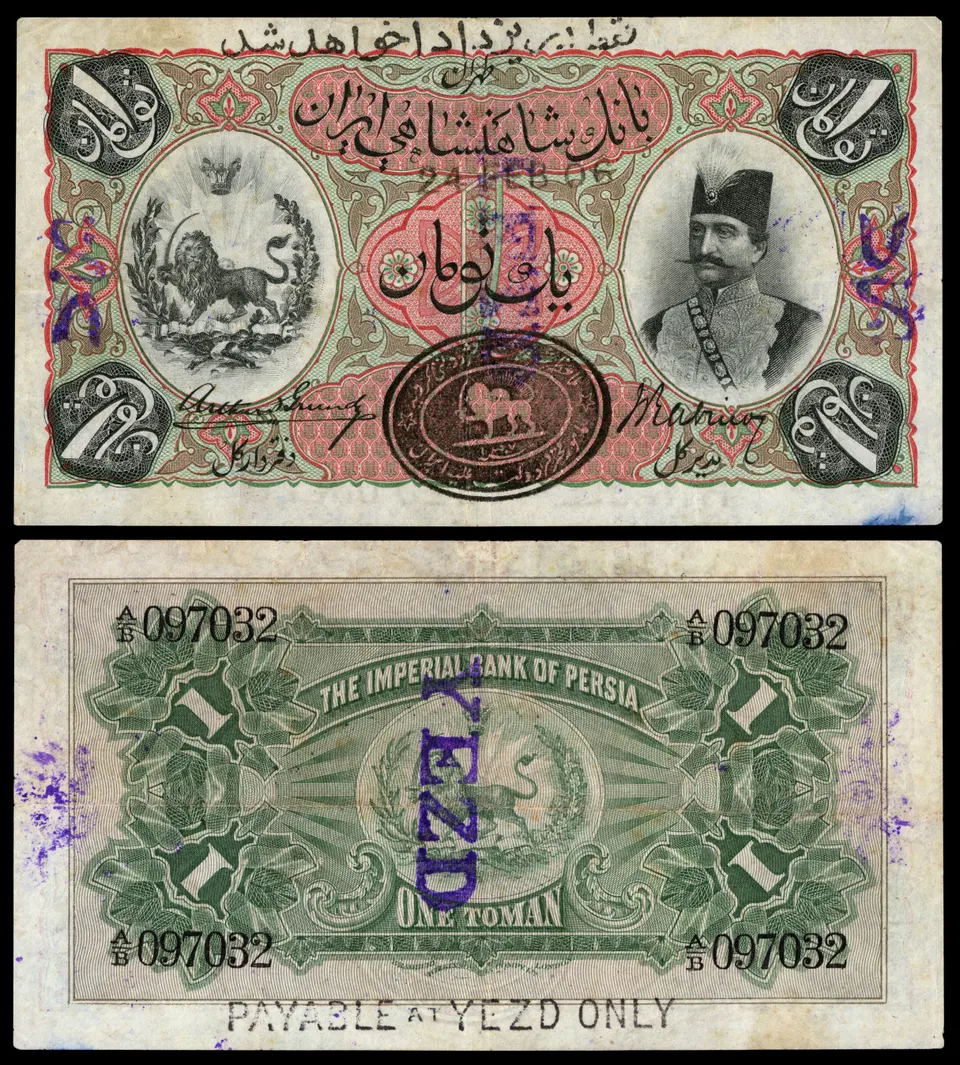
The Iranian Toman slid 1.4% in a single session as military exchanges between the US and Iran turned the Persian Gulf into a combat zone. With the Strait of Hormuz contested and a key US hawk suddenly deceased, Iranian households are facing a perfect storm of geopolitical and economic risk.
At time of publishing
USD
178,400
Toman
Gold 18K
17.66M
Toman / gram
Bitcoin
$64,092
US Dollar
Tether
179,993
Toman
The Frontline in the Gulf
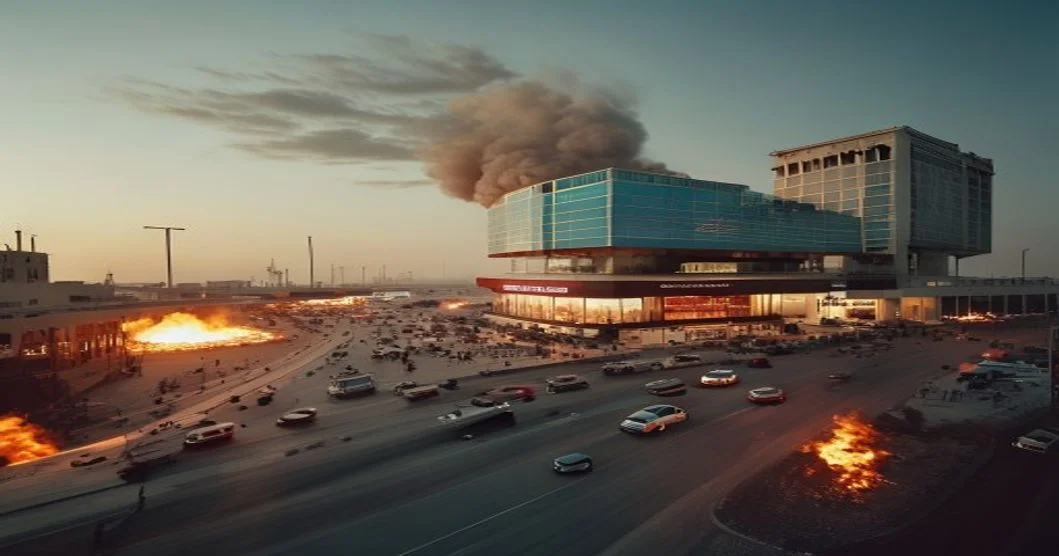
The night session in Tehran closed with a palpable sense of dread as the currency market reacted sharply to the most significant military escalation in years. The US Dollar moved from 176,000 to 178,400 Toman (+1.4%), a jump that reflects the immediate risk premium being priced into the Iranian economy. This surge follows a night of intense kinetic action where U.S. Central Command reported hitting approximately 140 targets within Iran. These strikes were a direct retaliation for Iranian interference with shipping in the Strait of Hormuz, a move that the Iranian military claimed was a necessary defense of its sovereignty. However, for the average Iranian, the sovereignty of the Toman is the more immediate concern as the cost of imports and basic stability begins to evaporate.
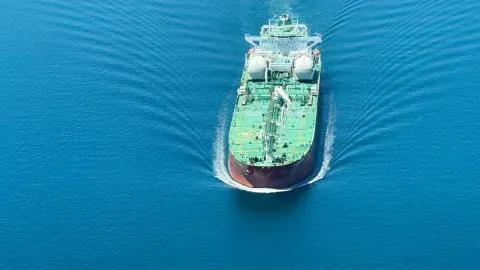
While the United States insists the Strait of Hormuz remains open to international traffic, the reality on the ground—and in the markets—is far more chaotic. Iranian forces have claimed control over the waterway, leading to a standoff that has sent global gold prices to a staggering $4,121.40 per ounce. In Tehran, this global surge combined with local currency depreciation to push 18k gold from 17,452,329 to 17,660,095 Toman per gram (+1.2%). This isn't just a number on a screen; it represents the shrinking purchasing power of every citizen who is now watching their life savings being eroded by a conflict they did not choose. The government's claims of resilience are increasingly at odds with the frantic activity in the unofficial exchange markets.

Washington’s New Void and the Hormuz Legacy
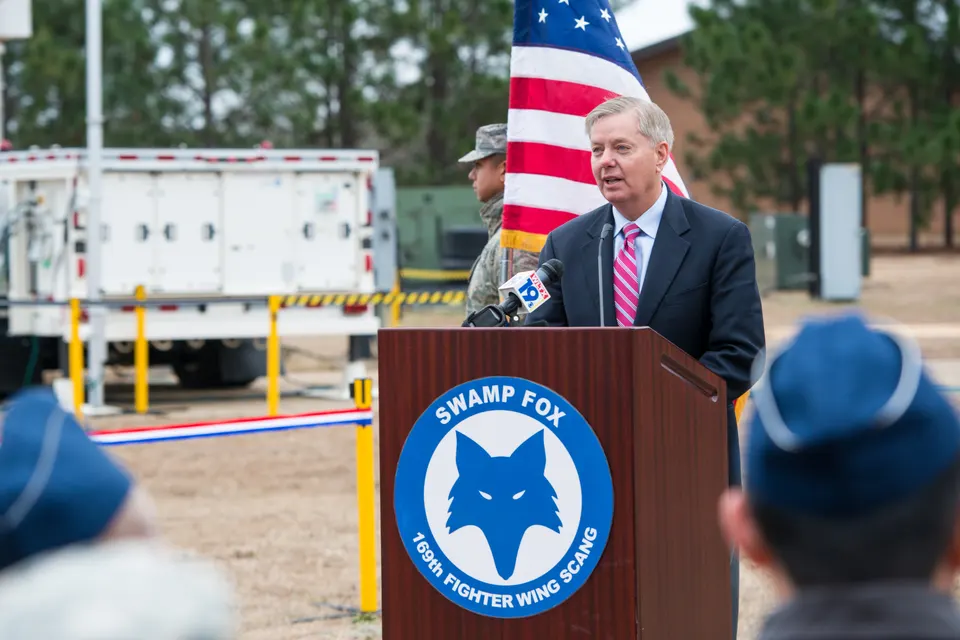
Adding to the uncertainty is the sudden death of U.S. Senator Lindsey Graham, a figure whose hawkish stance on Iran often dictated the temperature of bilateral tensions. Graham was a staunch advocate for the very strikes we witnessed overnight, and his absence creates a temporary power vacuum in the U.S. Senate’s foreign policy apparatus. For Iranian markets, this is a double-edged sword. While some might hope for a de-escalation, the unpredictability of who will fill his seat—and how Donald Trump might react to this loss—adds another layer of volatility. The Iranian market hates a vacuum, and today’s price movement suggests that traders are betting on further instability rather than a return to the status quo.
Furthermore, the current crisis brings back the ghost of past diplomatic failures. Critics are already pointing to the previous administration's inability to secure the Strait of Hormuz in historical deals, which the Iranian military is now using as a pretext for its violent assertions of authority. As Yemen reiterates its support for Tehran, claiming that "pressure will not defeat" the Iranian people, the rhetoric from state media remains defiant. Yet, this defiance comes at a steep price. The Emami coin rose from 176,000,000 to 178,000,000 Toman (+1.1%) today, signaling that even the most traditional stores of value are being revalued upward as the public loses faith in the regime's ability to manage the domestic economy amid these self-inflicted regional fires.
The Survivalist’s Ledger
For the everyday Iranian, the strategy for the coming days must be one of extreme caution and preservation. We are no longer in a market driven by technical indicators or seasonal trends; we are in a market driven by the sound of explosions and the rhetoric of a regime under siege. The fact that USDT is trading at 179,993 Toman—a significant premium over the paper dollar—indicates a desperate rush toward digital liquidity. People want assets they can move instantly if the situation in the Gulf deteriorates further. If you are holding Toman-denominated assets, the 1.4% loss today is a warning shot. The transition period following the death of the Supreme Leader, combined with this external military pressure, has created a volatility trap.
Looking ahead to tomorrow, the key level to watch for the USD is the 180,000 Toman psychological barrier. If the military exchanges continue and the Strait remains a contested zone, we could see a breach of that level before the midday call. Gold remains the only true hedge, but with local prices already reflecting a massive risk premium, entry points are becoming increasingly expensive. The takeaway is clear: diversification is no longer a luxury, it is a survival tactic. As long as the regime prioritizes regional shadow wars over the stability of the national currency, the Toman will remain a casualty of the conflict.
Frequently Asked Questions
Why did the USD jump 1.4% in a single night session?
Is the Strait of Hormuz actually closed?
How does Lindsey Graham's death affect the Iranian market?
Geopolitical Risk and Currency Depreciation
Geopolitical risk refers to the potential for political instability, conflicts, or international tensions to disrupt economic activity and market stability. These risks are particularly potent in regions of strategic importance, such as the Persian Gulf, which is home to a significant portion of the world's oil reserves and the vital Strait of Hormuz. When such risks escalate, they create an environment of uncertainty that can have profound and immediate effects on national economies and their currencies.
The primary mechanism through which geopolitical risk impacts currency value is by eroding investor confidence. Faced with potential conflict or instability, both domestic and foreign investors tend to withdraw capital from the affected region, seeking safer havens elsewhere. This phenomenon, known as capital flight, directly reduces the demand for the local currency and increases the demand for more stable, international currencies like the US dollar. Consequently, the local currency depreciates rapidly as its value falls relative to these safer alternatives.
In the context of Iran, any military escalation in the Strait of Hormuz or direct conflict involving the country significantly elevates the perceived risk for its economy. This heightened risk perception leads to a sharp decline in investor sentiment, prompts capital flight, and deters foreign direct investment. As demand for the Iranian Toman plummets and people seek to convert their assets into more stable stores of value, such as gold or foreign currency (like USDT, which often trades at a premium during crises), the Toman's value depreciates, as seen in the headline's reference to its significant fall.
Beyond immediate depreciation, sustained geopolitical risk can lead to a host of other economic challenges. It can fuel inflation by making imports more expensive, complicate economic planning for businesses and governments, and ultimately hinder long-term economic growth. Understanding this direct link between global political events and domestic currency stability is crucial for comprehending market reactions to international crises.