Emami Coin Sees 2.2% Drop as US Deal Hopes Fade Amid Hard-Liner Resistance
سکه امامی با افت ۲.۲ درصدی، در بحبوحه مقاومت تندروها و ابهامات توافق با آمریکا
Iran's Emami coin experienced a notable 2.2% decline today, leading a broader retreat in gold and currency markets. This downturn comes as hard-liners in Tehran actively work to derail a potential deal with the U.S., adding layers of uncertainty to an already complex economic landscape.
At time of publishing
USD
170,300
Toman
Gold 18K
18.72M
Toman / gram
Bitcoin
$73,893
US Dollar
Tether
170,729
Toman
What Actually Happened
The trading day closed with a notable retreat across key Iranian markets, led prominently by the Emami coin. This bellwether asset for many Iranian investors saw its value decline from 184,000,000 Toman to 180,000,000 Toman, marking a significant 2.2% drop within 24 hours. This movement suggests a cautious end to the week, with investors potentially taking profits or reacting to underlying uncertainties that have been simmering beneath the surface. The Emami coin's performance often reflects broader sentiment regarding inflation and the stability of the national currency, making its decline a key indicator of current market psychology.
Beyond the Emami coin, other major assets also experienced downward pressure. The US Dollar, a critical benchmark for the Iranian economy, saw a modest but clear depreciation, moving from 171,200 Toman to 170,300 Toman, a 0.5% decrease. Similarly, 18-karat gold, a staple investment for many households, dipped from 18,873,678 Toman per gram to 18,722,240 Toman per gram, reflecting a 0.8% reduction. These synchronized declines across currency and precious metals underscore a broader market sentiment of slight de-risking or perhaps a momentary cooling off after previous gains. The consistency of these movements across different asset classes points to systemic factors rather than isolated events influencing today's trading.
Why This Matters
The market's cautious tone today cannot be disconnected from the complex geopolitical currents shaping Iran's economic outlook. A significant factor is the ongoing political maneuvering within Iran, where hard-liners are reportedly making concerted efforts to derail a potential deal with the United States. Such internal resistance introduces substantial uncertainty regarding the future of international sanctions and Iran's reintegration into the global economy. For everyday Iranians, the prospects of a stable currency and lower inflation are often tied to the potential for eased international relations, making these political developments a direct influence on their financial well-being and market expectations. The market's reaction, even if a slight dip, reflects this underlying apprehension about the path forward.
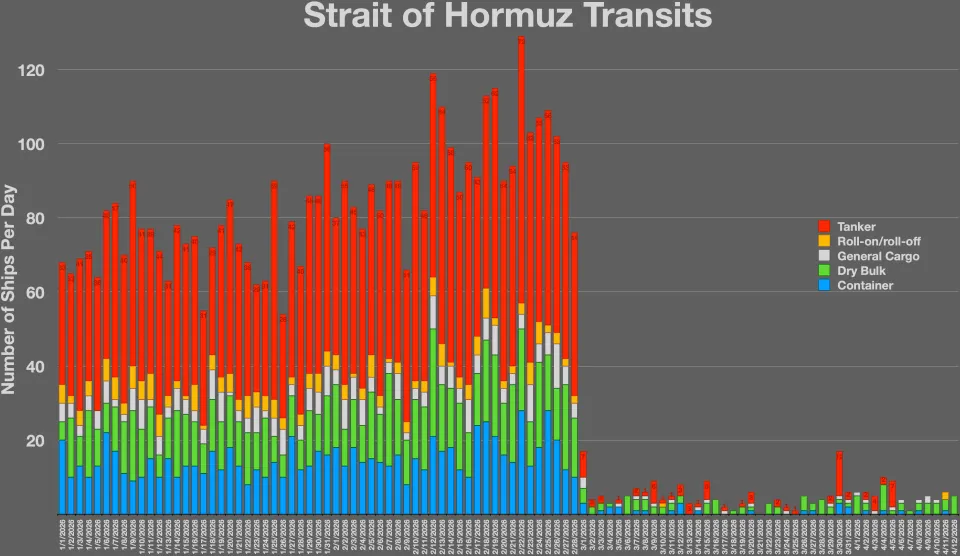
Adding another layer of regional complexity, Iran's central military command has reasserted its full authority over the strategic Strait of Hormuz. This declaration, while a reiteration of long-standing policy, serves as a fresh reminder of the region's inherent volatility and the critical importance of this waterway for global oil supplies. Any perceived escalation or even reaffirmation of control in such a sensitive choke point can ripple through international markets, influencing global oil prices and, by extension, the economic stability of oil-exporting nations like Iran. While not an immediate price driver for today's declines, it contributes to a general atmosphere of geopolitical risk that can temper investor confidence and encourage a more conservative stance in asset holdings.
Furthermore, the broader regional geopolitical landscape continues to evolve, with Russia signing a military cooperation deal with Afghanistan's Taliban government. This development signals deepening ties between these entities and represents a significant shift in regional power dynamics. While seemingly distant, such agreements can have indirect implications for energy markets and overall regional stability. For Iran, which shares borders and strategic interests in the wider Central Asian and Middle Eastern regions, these shifts contribute to the complex web of alliances and rivalries that can influence trade routes, security perceptions, and ultimately, economic confidence. The interconnectivity of these events means that even seemingly peripheral geopolitical moves can subtly shape market sentiment in Tehran.
The Broader Picture
Today's market movements, characterized by a general retreat in coin, gold, and currency values, suggest a market grappling with a mix of internal political friction and persistent regional geopolitical concerns. The efforts by Iranian hard-liners to undermine a potential deal with the U.S. cast a long shadow over prospects for economic relief and greater stability. This internal struggle directly impacts the confidence of investors and the general public, as the path to economic normalization becomes less clear. The slight declines seen today could be interpreted as a reflection of this uncertainty, prompting some to reduce their exposure to risk assets at the close of the trading session. This pervasive uncertainty even extends to national pride, as evidenced by Iran's national soccer team training in limbo for the World Cup, overshadowed by the ongoing regional war. Such conditions highlight how deeply geopolitical realities permeate all aspects of Iranian society, from finance to sports.
Yet, amid these regional complexities, the world also saw a remarkable scientific breakthrough announced today: a cancer jab trial showing the potential to eradicate entire tumors. While this news does not directly influence daily currency or gold prices, such a significant advancement in global health can subtly contribute to a broader sense of human progress and long-term optimism. It reminds us that even as geopolitical tensions ebb and flow, scientific endeavors continue to advance, offering a counter-narrative of hope that can, over time, foster greater global stability and confidence, potentially influencing long-term investment horizons. However, for immediate market reactions in Tehran, the local and regional geopolitical factors remain the dominant forces.

Looking ahead, market participants will be closely watching for any further developments regarding the potential U.S. deal and the internal political dynamics surrounding it. Any clarity, positive or negative, could trigger more pronounced movements in the currency and gold markets. Additionally, the rhetoric surrounding the Strait of Hormuz and broader regional security will remain a key determinant of risk appetite. For tomorrow, expect continued sensitivity to political headlines, with the market likely to consolidate or react sharply to any fresh news that alters the perceived trajectory of Iran's international relations. Diversification and careful monitoring of official statements will be paramount for navigating the week ahead.
Frequently Asked Questions
Why did Emami coin drop more significantly than USD or 18k gold today?
How do 'hard-liners trying to derail a deal with the U.S.' impact the Toman and gold markets?
What is the significance of Iran's statement about the Strait of Hormuz for the economy?
Is there any direct link between the cancer jab breakthrough and Iranian market sentiment?
What should investors watch for in the coming days after today's market movements?
Iran's Dual Exchange Rate System: How Sanctions Shape the Rial and Private Currencies
Iran operates a dual exchange rate system that has become a central feature of its economy since the early 2000s. The official rate, set by the Central Bank of Iran (CBI), is used for government transactions, essential imports, and some contracts, while a parallel or “free‑market” rate emerges from supply‑and‑demand dynamics in the black market. This split arose as a response to U.S. and international sanctions that restricted Iran’s access to foreign currency, forcing the state to allocate limited dollars at a favorable official price while market participants paid much more on the street.
The two rates diverge dramatically. In 2024 the official rate hovered around 42,000 IRR per USD, whereas the market rate traded above 500,000 IRR per USD. The gap creates powerful arbitrage incentives: importers who can obtain dollars at the official rate sell goods at market prices, while ordinary Iranians and businesses must turn to the black market for foreign exchange, often paying several times more. Because many contracts—including those for gold purchases and private “coins” like the Emami coin—are priced in the market rate, the rial’s volatility directly influences the price of gold in Iran and the value of such alternative assets.
The dual system also fuels inflation and erodes public confidence. When the market rate spikes, the cost of imported food, medicine, and industrial inputs rises, pushing consumer prices upward. Moreover, the disparity fuels political tension: hard‑liners argue that any concession to the West—such as a potential U.S.–Iran nuclear deal—would force the CBI to narrow the gap, threatening the regime’s control over the economy. Conversely, reformists see a unified rate as a pathway to transparency and economic stabilization.
Recent market movements illustrate the fragility of this arrangement. In early May 2024 the Emami coin fell 2.2 % after rumors that a U.S. deal was stalling, prompting investors to flee to gold and the black‑market rial. Such reactions underscore how geopolitical expectations can instantly reshape exchange‑rate dynamics, especially when the official and market rates are already under pressure from sanctions on oil exports through the Strait of Hormuz.
Understanding Iran’s dual exchange rate is essential for anyone tracking the country’s macro‑economy, investment climate, or geopolitical risk. It explains why official statistics often understate inflation, why private currencies gain traction, and how external shocks—sanctions, oil price swings, or diplomatic breakthroughs—translate into everyday price changes for Iranians.