Emami Coin Surges 1.1% as South Pars Gas Restored: Why Energy Resilience Hasn't Cooled the Toman
جهش ۱.۱ درصدی سکه امامی همزمان با بازگشت گاز پارس جنوبی؛ چرا دلار عقبنشینی نکرد؟
Despite the successful restoration of gas production at South Pars following recent disruptions, the Iranian Toman slipped 0.5% today, with the Emami coin leading the charge as a safe haven. We explore the disconnect between energy recovery and market sentiment as global powers eye nuclear alternatives to the Strait of Hormuz.
At time of publishing
USD
171,300
Toman
Gold 18K
18.83M
Toman / gram
Bitcoin
$73,489
US Dollar
Tether
171,034
Toman
The Resilience of South Pars vs. Market Skepticism
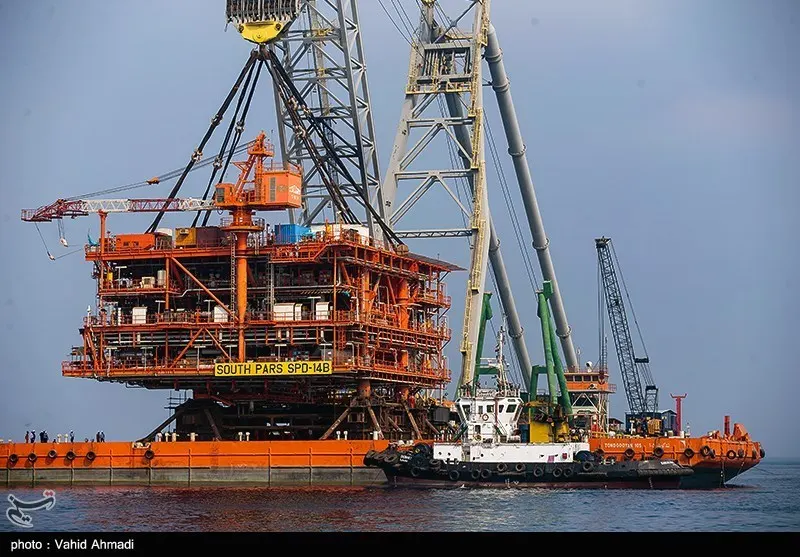
In a significant technical victory for Iran’s energy sector, the CEO of the Pars Oil and Gas Company confirmed today that production has been fully restored at three offshore platforms in the South Pars field. These facilities had been offline following recent Israeli attacks, causing concerns over domestic energy security and export revenues. While the restoration of gas flow is a vital win for the national budget, the currency market told a different story. The USD moved from 170,400 to 171,300 Toman, marking a 0.5% increase. For the everyday Iranian, this highlights a painful reality: physical infrastructure recovery does not immediately translate into psychological or economic stability when the threat of further escalation remains high.
The disconnect between the 'good news' from the Persian Gulf and the rising price of the dollar suggests that traders are pricing in a 'risk premium' that transcends mere production numbers. Even as gas flows again, the cost of securing that flow—and the potential for future disruptions—keeps the demand for hard currency elevated. This sentiment was most visible in the gold market, where the Emami coin rose from 180,000,000 to 182,000,000 Toman (+1.1%). This outsized jump compared to the dollar indicates that investors are not just buying currency; they are seeking the ultimate insurance policy against geopolitical volatility.
The Global Pivot: Bypassing the Strait of Hormuz
While Iran works to secure its existing assets, the global energy landscape is shifting in ways that could diminish the long-term leverage of the Strait of Hormuz. Recent reports suggest that the United States is increasingly looking toward spent nuclear fuel as a strategic answer to Russia’s grip on the uranium market and the recurring energy crises emanating from the Middle East. As the world contends with skyrocketing energy demands fueled by artificial intelligence and decarbonization, the vulnerability of maritime chokepoints like Hormuz has become a catalyst for a renewed nuclear push. For Iran, this means that the 'oil card' may carry less weight in future negotiations if major economies successfully diversify their energy mix.
This global context is crucial for understanding why the Toman isn't finding a floor. If the international community views the region as a persistent bottleneck, the incentive to invest in Iranian-adjacent land corridors or offshore projects diminishes. We see this reflected in the cautious diplomacy of the Pezeshkian administration, which recently reached out to nations like Croatia to maintain bilateral ties. However, soft diplomacy struggles to compete with the hard reality of energy shifts. As nuclear energy becomes a 'carbon-free, efficient, and round-the-clock' alternative that can be produced anywhere, the strategic importance of the Persian Gulf's fossil fuels faces a slow but steady erosion of its monopoly on global attention.

Geopolitical Shadows and the Digital Hedge
The market’s current trajectory is also being shaped by the heavy shadow of US military history and current operations. Reports on the extensive use of raids and airstrikes during the Trump administration serve as a reminder to the market of how quickly regional status quos can be upended. This historical context, combined with the ongoing legal battles of tech whistleblowers like Sarah Wynn-Williams against Meta, highlights a world where information and physical security are increasingly under pressure. In such an environment, the 'safe haven' status of Bitcoin—currently trading at $73,489—becomes more attractive to those looking to move capital outside the reach of regional instability.
As we look toward tomorrow's session, the primary takeaway for the Iranian reader is one of cautious hedging. The restoration of South Pars is a necessary condition for economic survival, but it is not a sufficient condition for a Toman recovery. With the Emami coin gaining momentum and the dollar crossing the 171k threshold, the focus remains on whether domestic policy can offer more than just technical repairs. Until the 'geopolitical risk' is decoupled from the exchange rate, expect gold to remain the preferred vehicle for preserving wealth in an era of high-stakes energy and military maneuvering.
Frequently Asked Questions
Why didn't the restoration of South Pars lower the dollar price?
What does the 1.1% jump in Emami coin signify compared to the 0.5% USD rise?
How does the US shift toward nuclear energy affect Iran's economy?
Understanding Iran’s Dual Exchange Rate System
Iran operates a dual exchange rate system in which an official rate, set by the Central Bank, coexists with a free‑market rate that reflects real supply‑and‑demand conditions. The official rate is used for essential imports, government contracts, and the pricing of oil and gas revenues—most notably from the South Pars gas field—while the market rate determines the price of everyday goods, foreign travel, and increasingly, cryptocurrency transactions such as Emami Coin or Bitcoin.
Sanctions that restrict Iran’s ability to sell oil abroad have forced the government to rely on a managed exchange rate to preserve foreign‑currency reserves. When oil revenues dip, the Central Bank may devalue the official rate to keep up with the market, but the adjustment is often delayed, creating a widening gap between the two rates. This gap fuels arbitrage opportunities: traders buy rials at the cheaper official rate and sell them on the market, driving the free‑market rate higher and contributing to the Toman’s volatility.
The dual system has direct implications for the crypto market. Because cryptocurrencies are priced in dollars, Iranian investors must convert their rials at the market rate, which can be many times higher than the official rate. This disparity makes crypto an attractive hedge against inflation but also amplifies price swings, as seen with the recent 1.1 % rise in Emami Coin following the restoration of South Pars output.
Understanding this mechanism helps explain why a boost in gas production does not automatically “cool” the Toman. The official rate may improve modestly, but unless the underlying sanctions pressure eases, the market rate—and the crypto assets tied to it—will continue to reflect broader economic uncertainty.
For a deeper dive, see the references below, which cover the technical details of dual exchange rates, Iran’s monetary policy under sanctions, and the link between energy revenues and currency stability.