Toman Slides 2.1% as US-Iran Peace Talks Collapse Amid $180 Oil Warnings
سقوط ۲.۱ درصدی تومان؛ بنبست در مذاکرات و هشدار نفت ۱۸۰ دلاری بازارها را تکان داد
The Iranian Toman retreated sharply today as diplomatic hopes soured and global energy analysts warned of a massive crude price spike. With USD jumping to 175,400, the 'peace dividend' is evaporating, forcing investors back into safe-haven gold and coins.
At time of publishing
USD
175,400
Toman
Gold 18K
19.01M
Toman / gram
Bitcoin
$71,450
US Dollar
Tether
174,133
Toman
The Diplomatic Chill and the Toman's Retreat
The optimism that characterized the early morning sessions has evaporated as the reality of regional escalation sets in. The US-Iran exchange rate moved from 171,800 to 175,400 (+2.1%) in a single session, a move that reflects the abrupt halt in diplomatic momentum. Iran’s decision to call off further talks with the US, citing Israeli strikes in Lebanon as a violation of the broader truce framework, has sent a clear signal to the Tehran bazaar: the window for a quick sanctions-relief deal is closing. For the average Iranian, this isn't just a number on a screen; it is the sound of imported goods becoming more expensive and the cost of living recalibrating to a higher floor.
The volatility was mirrored in the gold market, where the Emami coin surged from 182,000,000 to 187,000,000 (+2.7%). This outsized move in the coin market compared to the 0.8% rise in 18k gold (now at 19,008,033 Toman) suggests that local buyers are not just tracking global gold prices, but are actively paying a premium for liquidity and security. When the political horizon darkens, the coin becomes the ultimate 'survival currency' in the Iranian household, and today's price action shows that the fear of a prolonged conflict is outweighing the hope for a diplomatic breakthrough.

The $180 Oil Ghost and Global Commodity Shocks
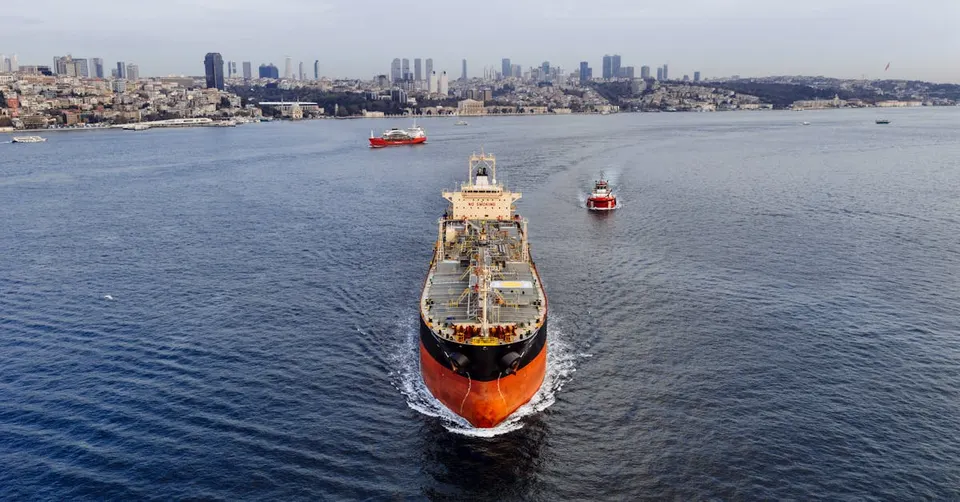
Adding fuel to the domestic fire is a staggering projection from Rystad Energy. Analysts have warned that a full-scale re-escalation of the US-Iran conflict, coupled with a prolonged blockage of the Strait of Hormuz, could drive global crude oil prices to an eye-watering $180 per barrel by August. While high oil prices theoretically mean more revenue for an oil-producing nation, the threat of physical damage to infrastructure and the total disruption of shipping lanes—which handle nearly 27% of global maritime oil trade—creates a paradox. The market is pricing in the risk of supply destruction rather than the benefit of high prices.
This commodity shock extends beyond just oil. Global industries are facing soaring costs as the 'Iran War' risk premium is applied to petrochemicals, agriculture, and shipping. For Iranian businesses, this means the cost of raw materials is rising globally even as the Toman weakens locally, a 'double whammy' of inflation that threatens to squeeze profit margins across the manufacturing sector. The disruption in the Gulf is no longer a localized issue; it is a systemic threat to global supply chains that keeps the dollar strong and the Rial under immense pressure.
The Bigger Picture: AI Optimism vs. Geopolitical Reality
While the Middle East grapples with the specter of war, global markets are being held up by a different kind of fever: Artificial Intelligence. Stocks are holding near record highs as optimism surrounding companies like Anthropic—which just set the stage for a blockbuster IPO—trumps the geopolitical tension. This divergence creates a strange reality where global capital is flowing into Silicon Valley software and 'smart drugs' that can shrink tumors by 30%, while regional capital in the Middle East is fleeing into physical gold and hard currency. It is a tale of two worlds: one betting on the future of technology, and the other hedging against the return of the past.
Even the UK's internal political drama, revealed through the leaked 'Mandelson files,' highlights a world in flux. The descriptions of a 'beleaguered and bereft' leadership in London suggest that Iran's traditional diplomatic partners in Europe are increasingly distracted by their own domestic crises. For the Iranian investor, the takeaway is clear: do not rely on external political stability to save the Rial. The current market structure demands a defensive posture. Whether it is the 2.1% slide in the Toman or the 2.7% jump in Emami coins, the data tells us that the 'wait and see' period is over. Diversification into hard assets and a keen eye on the Strait of Hormuz are the only practical strategies left on the table for the coming month.

Frequently Asked Questions
Why did the Toman drop even though oil prices are rising?
Is the 2.7% jump in Emami coin justified by global gold prices?
What do the 'Mandelson files' have to do with the Iranian economy?
What should be the priority for small investors in this environment?
Geopolitical Risk and its Ripple Effect on Global Markets
Geopolitical risk refers to the uncertainty and instability arising from political events, conflicts, or policy shifts between nations. These risks, such as the collapse of peace talks or heightened tensions in strategic regions, can have profound and immediate consequences across global financial markets. Unlike traditional economic indicators, geopolitical events introduce an unpredictable element that investors and policymakers must constantly monitor, often leading to rapid shifts in market sentiment and asset valuations.
One of the most direct impacts of escalating geopolitical risk is seen in currency markets. When diplomatic efforts fail, as in the case of US-Iran peace talks collapsing, it signals increased potential for conflict or sanctions. This uncertainty often prompts investors to move away from currencies perceived as risky, like the Iranian Toman, and towards safer haven assets, such as the US Dollar. The resulting flight to safety can lead to significant depreciation of the affected currency, eroding purchasing power and increasing import costs for the nation involved.
Simultaneously, geopolitical tensions in critical supply regions heavily influence commodity markets, particularly oil. The Strait of Hormuz, for instance, is a vital chokepoint through which a significant portion of the world's oil supply passes. Any threat to its stability, whether from military posturing or direct conflict, immediately triggers fears of supply disruptions. This scarcity premium can drive global oil prices dramatically higher, as evidenced by warnings of oil reaching $180 per barrel. Such price spikes not only impact energy consumers worldwide but also feed into inflation and can destabilize economies.
In essence, the interplay between geopolitical events, currency depreciation, and commodity price surges illustrates how interconnected global markets are. The collapse of peace talks between major players can create a ripple effect, increasing the risk premium on assets, disrupting trade routes, and ultimately impacting economic stability far beyond the immediate region. Understanding this dynamic is crucial for anyone seeking to comprehend the forces shaping today's volatile economic landscape.