Toman Holds Steady Amid Regional Tensions as Iran Warns Neighbors Over US Attacks
تومان در بحبوحه تنشهای منطقهای ثابت ماند؛ ایران به همسایگان جنوبی در مورد حملات آمریکا هشدار داد
As the day concluded, the Iranian Toman showed remarkable stability against the USD despite escalating regional rhetoric, with Iran issuing a stark warning to its southern neighbors regarding US military actions. Gold prices saw a slight dip, while Emami coin remained unchanged, indicating a cautious market sentiment. This briefing delves into the underlying factors shaping these movements and what they mean for your investments.
At time of publishing
USD
188,200
Toman
Gold 18K
18.28M
Toman / gram
Bitcoin
$64,205
US Dollar
Tether
187,879
Toman
What Actually Happened
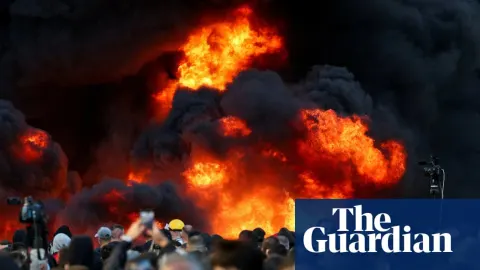
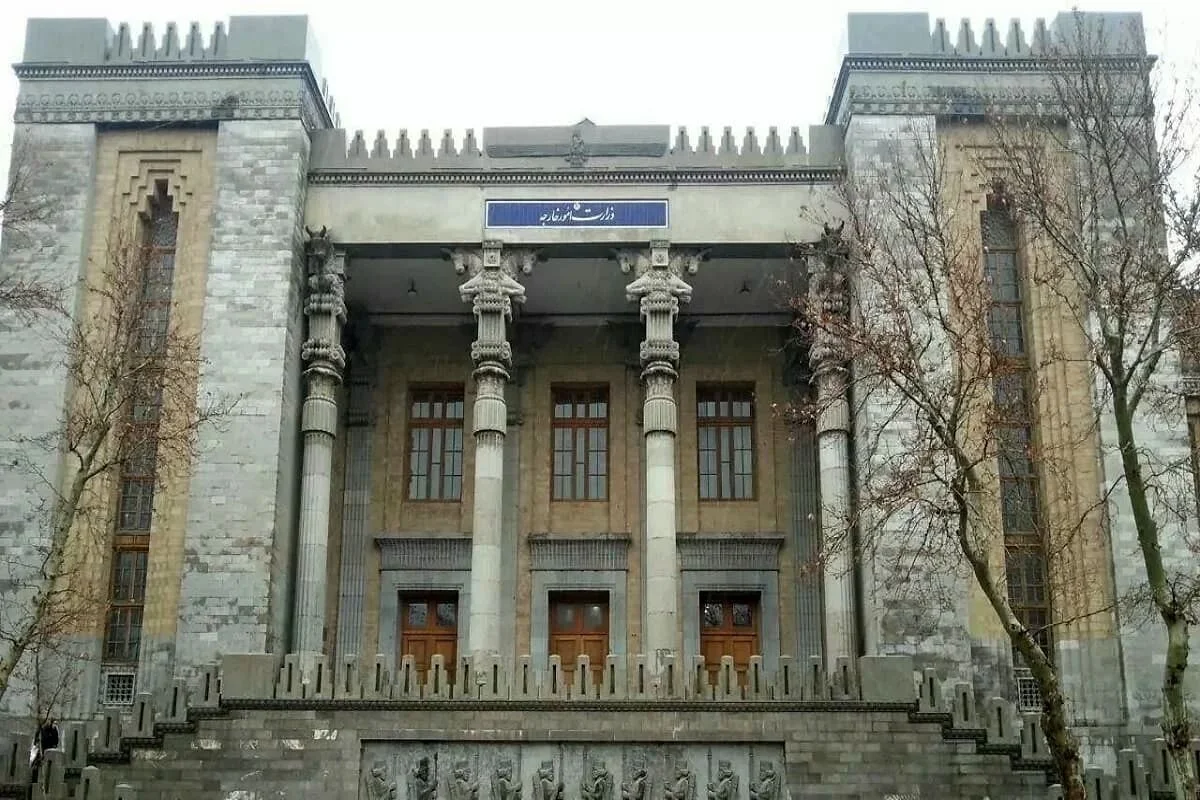
Today's market session closed with a notable, albeit slight, cooling in the USD/IRR exchange rate. The US Dollar moved from 188,300 Toman to 188,200 Toman, marking a modest decrease of 0.1%. This marginal shift comes amidst a backdrop of heightened regional geopolitical activity, specifically Iran's recent call on its southern neighbors to prevent the US from using their territory for attacks on Iranian soil, citing lawful self-defense under Article 51 of the UN Charter. Such strong diplomatic statements typically introduce volatility, yet the Toman demonstrated a degree of resilience by holding its ground.
Simultaneously, the gold market experienced a minor correction. Gold 18k/gram, a key indicator for many Iranian investors, saw its price adjust from 18,514,243 Toman to 18,283,392 Toman, representing a 1.2% decline over the last 24 hours. Interestingly, the Emami coin, often seen as a significant safe-haven asset, remained perfectly stable at 185,000,000 Toman, showing no change (+0.0%) during the same period. This divergence suggests that while some investors might have taken profits in physical gold, the demand for traditional coin assets, perhaps driven by long-term expectations of value preservation, held firm.
Why This Matters
The geopolitical landscape continues to be a dominant factor shaping market sentiment in Iran. Iran's firm warning to its southern neighbors (Index 9) underscores the ongoing tensions in the Persian Gulf. This rhetoric, coupled with reports of fresh strikes near Qeshm Island and accusations against the US over a 'barbaric' hospital attack (Index 2), creates an environment of uncertainty. For everyday Iranians, such developments directly influence their expectations for currency stability and the purchasing power of their savings. A stable Toman, even with a slight dip, provides some relief, but the underlying geopolitical currents suggest vigilance is still paramount.
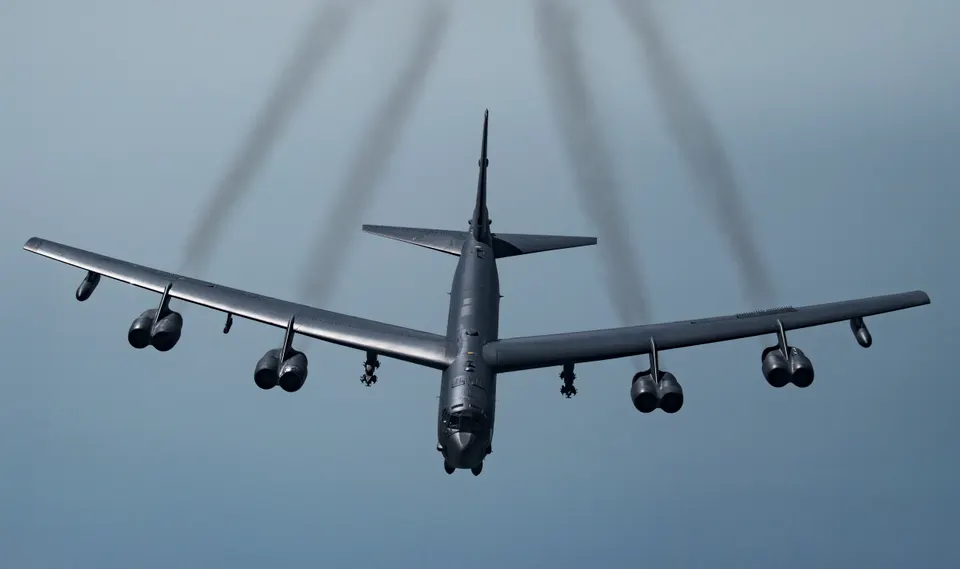
Furthermore, the US approval of nearly $2 billion in weapons sales to Saudi Arabia (Index 6) adds another layer to the regional security complex. This move, intended to bolster Saudi air defense systems against Iran-backed Houthis, signals a continued arms race and potential for escalation. For Iranian households, this means that the broader regional risk premium remains elevated, which can impact everything from import costs to the perceived safety of investments like gold. The slight dip in 18k gold could be interpreted as a temporary profit-taking amidst a relatively stable Toman, rather than a fundamental shift away from precious metals as a hedge against inflation or geopolitical instability.
The Bigger Picture
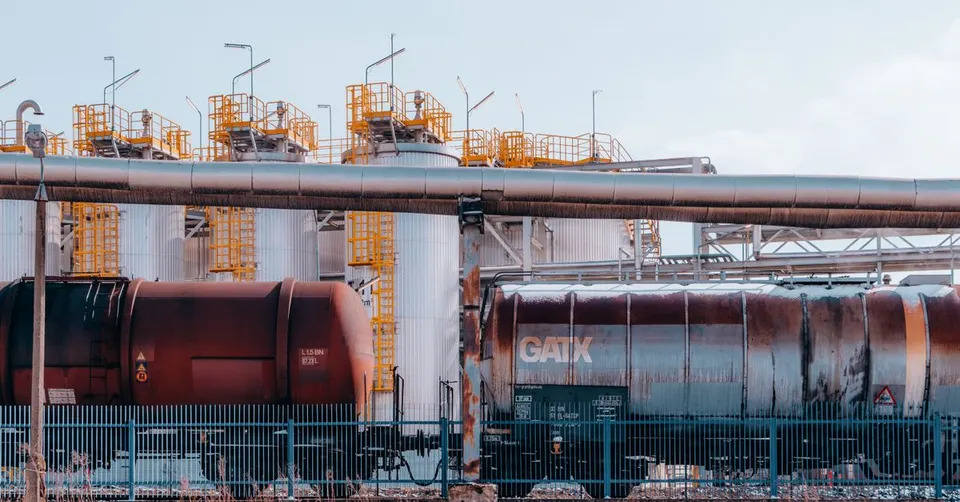
Beyond the immediate regional dynamics, global energy markets are undergoing significant shifts that could indirectly impact Iran's economic trajectory. India is increasingly emerging as the world's refining swing producer (Index 7), taking on a role traditionally held by Saudi Arabia. As India processes and re-exports refined products like diesel and jet fuel, it can influence global supply and pricing, especially in times of disruption in the Middle East or Russia. This evolving landscape means that while Iran's oil exports face sanctions, the global demand and supply chain for refined products could create new opportunities or challenges for its energy sector, depending on how these dynamics play out.
Meanwhile, in a separate but equally significant global event, Italian officials, including the former head of Italy's motorway operator Giovanni Castellucci, were handed jail terms over the deadly 2018 Genoa bridge disaster (Indices 11, 14). This case highlights the critical importance of infrastructure integrity and corporate accountability. While seemingly distant from Tehran's markets, such events contribute to a broader global risk assessment, reminding investors worldwide of the potential for systemic failures and their economic consequences. A world grappling with such issues can influence overall risk appetite, subtly affecting capital flows and the perceived safety of various asset classes, even in seemingly unrelated markets.
What to Watch Tomorrow
As we head into tomorrow, market participants will be closely monitoring any further diplomatic statements or military developments in the Persian Gulf. The stability of the Toman today, despite the geopolitical rhetoric, suggests that markets are perhaps waiting for concrete actions rather than reacting solely to words. Any verified reports of escalation or de-escalation will likely have a more pronounced impact on currency and gold prices. Additionally, keep an eye on global oil benchmarks, as India's increasing role in refining could lead to unexpected shifts in energy prices, which always has a ripple effect on the Iranian economy. Investors should remain cautious and diversified, staying informed on both regional geopolitics and broader global economic trends to navigate the coming days.
Frequently Asked Questions
How do Iran's warnings to its neighbors typically affect the Toman?
Why did 18k gold decline while Emami coin remained stable?
What is the significance of India becoming a refining swing producer for Iran?
How does the US weapons sale to Saudi Arabia influence Iranian markets?
What's the best strategy for Iranian investors given the current market and geopolitical climate?
The Dynamics of Currency Stability and Alternative Assets in Geopolitically Stressed Economies
In economies facing significant geopolitical tensions and international sanctions, the concept of "currency stability" can be far more complex than it appears on the surface. While official exchange rates might be maintained by central banks through various interventions and capital controls, these rates often diverge significantly from the true market value of the currency. This discrepancy is a direct result of the underlying economic pressures, inflation, and political uncertainty that erode trust in the national currency, leading to a vibrant—and often more accurate—parallel or black market.
When a national currency is perceived as unstable or at risk of depreciation due to geopolitical events, citizens and investors typically seek alternative stores of value to protect their wealth. This phenomenon is known as a "flight to safety." Traditional safe-haven assets include stable foreign currencies, real estate, and most notably, precious metals like gold. In countries like Iran, where the local currency (the Toman, which is a unit of the Iranian Rial) has faced persistent devaluation pressures, gold coins such as the Emami coin become highly sought-after instruments for preserving purchasing power against inflation and currency fluctuations.
The demand for gold and other alternative assets in such environments isn't just about investment; it's often a fundamental strategy for survival and wealth preservation. As geopolitical tensions escalate, the perceived risk to the national currency increases, driving up the demand and price of gold in local terms. This creates a feedback loop: official currency stability claims might be undermined by rising gold prices, which signal market participants' lack of confidence in the currency's future value. Understanding this dynamic is crucial for grasping the true economic health of nations under geopolitical strain, as official figures alone may not paint the complete picture of market sentiment and economic reality.
Ultimately, the interplay between geopolitical risk, official currency management, and the market for alternative assets like gold provides a critical lens through which to analyze the resilience and vulnerabilities of economies operating under duress. It highlights how political events can profoundly influence economic behavior, leading individuals to bypass official financial channels in favor of assets perceived as more secure, thereby creating a parallel economic reality.