Hormuz Closure Threat Sends Emami Coin Soaring 3.1% Ahead of High-Stakes Sunday Summit
شوک هرمز به بازار طلا؛ جهش ۳.۱ درصدی سکه امامی در آستانه مذاکرات سرنوشتساز یکشنبه
The Iranian market closed Saturday in a state of high alert as a military threat to the Strait of Hormuz triggered a 3.1% surge in Emami coin prices. While the US Dollar rose more modestly to 159,550 Toman, the gold market is clearly pricing in a worst-case scenario for tomorrow's scheduled diplomatic talks.
At time of publishing
USD
159,550
Toman
Gold 18K
16.06M
Toman / gram
Bitcoin
$63,855
US Dollar
Tether
160,035
Toman
The Hormuz Brinkmanship and Market Panic
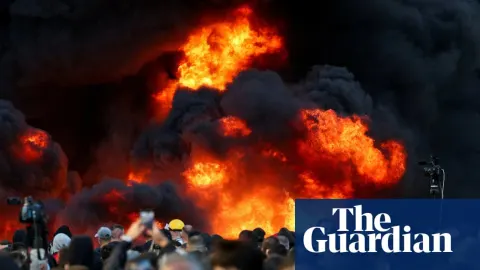
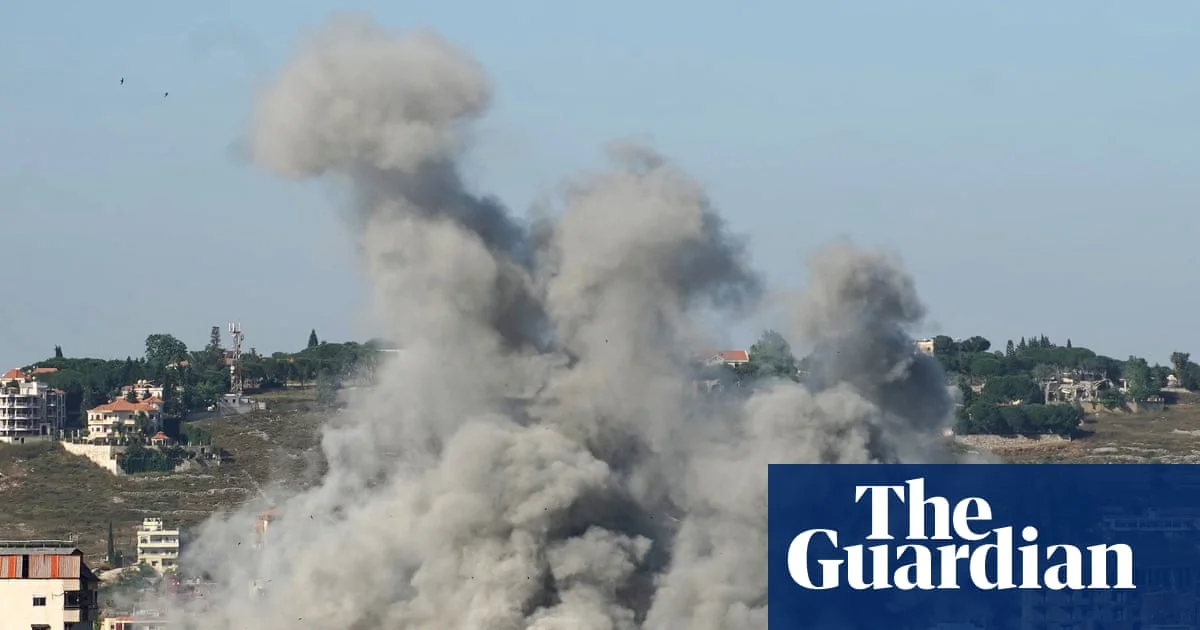
Saturday’s trading session in Tehran was anything but ordinary. The market opened under the shadow of escalating conflict in Lebanon, but it was the late-day announcement from the Islamic Revolutionary Guard Corps (IRGC) regarding the Strait of Hormuz that truly set the trading floors on fire. By declaring the strategic waterway closed—or at least threatening its closure—in response to Israeli strikes in Lebanon, the military command has directly challenged the stability of the recently signed 'Islamabad Memorandum.' This move is particularly aggressive given that nearly a fifth of the world’s oil and liquid gas supplies pass through this narrow corridor.
While the U.S. military has countered these claims by stating that maritime traffic continues to flow, the psychological damage to the market was immediate. For Iranian investors, the Strait of Hormuz isn't just a geographical feature; it is the ultimate economic lever. The threat alone suggests that the fragile interim peace deal with Washington, which was supposed to provide some breathing room for the Toman, might be unraveling before it even begins. This tension has created a 'risk-off' environment where traders are dumping liquid assets in favor of hard commodities.
Why Gold Outpaced the Dollar
In a typical day of volatility, we expect the US Dollar and Gold to move in tandem. However, today’s data shows a fascinating divergence in intensity. The USD moved from 158,750 to 159,550 Toman, a relatively controlled increase of 0.5%. In contrast, the Emami coin skyrocketed from 160,500,000 to 165,500,000 Toman, marking a 3.1% jump in a single day. This massive premium on gold coins indicates that the public is not just hedging against currency devaluation, but actively seeking refuge from potential military escalation.
Gold 18k also saw a significant rise, moving from 15,918,324 to 16,058,451 Toman per gram (+0.9%). The fact that the physical coin outperformed the raw gold price suggests a liquidity squeeze; people want assets they can carry and trade easily if the banking system faces pressure. This 'war premium' on coins is a classic signal of domestic anxiety. When the headlines mention the Strait of Hormuz, the Iranian buyer doesn't look at the dollar chart—they look at the coin shop window. This behavior reflects a deep-seated fear that tomorrow’s scheduled talks between Washington and Tehran in Switzerland might be canceled or fail spectacularly.
The Global Backdrop: Energy Security and Sunday’s Stakes
Beyond our borders, the energy landscape is shifting in ways that further complicate Iran's position. While Tehran uses the Strait as a bargaining chip, the United States is increasingly pivoting toward long-term energy independence through technologies like Small Modular Reactors (SMRs). Washington is now treating energy production as a core pillar of national security, aiming to insulate its economy from Middle Eastern volatility. Meanwhile, reports of a refinery blast in Moscow, potentially caused by friendly fire, have added to the global sense of energy instability, keeping oil prices—and by extension, the regional risk profile—extremely high.
All eyes are now on Sunday. Pakistan’s Interior Minister Mohsin Naqvi’s recent meeting with Foreign Minister Abbas Araghchi in Tehran was an attempt to save the Islamabad Memorandum, but the military escalation in Lebanon and the Hormuz threat have put diplomats in a corner. If the talks proceed and a de-escalation path is found, we could see a sharp correction in the coin premium. However, if the session ends without a breakthrough, the 160,000 Toman level for the USD will likely become the new floor, not the ceiling. For the average Iranian, the practical takeaway is clear: the market is currently driven by headlines, not fundamentals. Maintaining a diversified portfolio with a high degree of liquidity is essential as we enter what could be the most volatile 24 hours of the year.
Watch
Iran closes Strait of Hormuz, accusing US and Israel of violating ceasefire deal | BBC News
BBC News
Frequently Asked Questions
Why did the Emami coin rise much faster than the US Dollar today?
Is the Strait of Hormuz actually closed to international shipping?
What should investors watch for in the next 24 hours?
How do global energy trends like SMRs affect the Iranian economy?
Understanding Geopolitical Risk and Safe-Haven Assets
Geopolitical risk refers to the potential for political events, conflicts, or instability between countries to impact financial markets and economic activity. The Strait of Hormuz, for instance, is a critical chokepoint for global oil shipments. Any threat to its closure, as highlighted in the headline, immediately sends ripples through international markets, affecting oil prices, shipping costs, and investor confidence worldwide. Such events introduce a high degree of uncertainty, prompting investors and individuals to reconsider their asset holdings.
When geopolitical tensions escalate, a "geopolitical risk premium" often emerges. This means that investors demand higher returns to compensate for the increased risk of holding assets in or exposed to the affected regions. Conversely, they may withdraw capital from these areas, leading to capital flight. For local currencies, like the Iranian Rial in this scenario, this often translates into depreciation against major global currencies such as the USD, as confidence in the local economy and its stability erodes.
In times of heightened uncertainty and currency depreciation, investors typically flock to "safe-haven assets." These are investments that are expected to retain or even increase in value during periods of market turmoil and economic stress. Gold is a quintessential safe-haven asset, prized for its intrinsic value, historical role as a store of wealth, and its lack of direct correlation with the performance of specific economies or companies. The Emami coin, being a gold coin, serves a similar purpose within Iran's local market.
The surge in the Emami coin's price, as described in the headline, perfectly illustrates this dynamic. The threat of a major geopolitical event like the closure of the Strait of Hormuz creates immense concern about the stability of the Iranian economy and the value of its currency. Consequently, individuals and investors rush to convert their potentially depreciating cash into a tangible, historically reliable asset like gold, driving up the demand and price of the Emami coin as a hedge against inflation and economic uncertainty.