“We Win Either Way”: Vance’s Hawkish Posture and Bahrain Drone Strikes Push Toman to 166,850
«در هر صورت برندهایم»؛ اظهارات تند ونس و تنشهای پهپادی، دلار را به ۱۶۶,۸۵۰ تومان رساند
Tehran’s Saturday night session closed on a volatile note as US Vice President JD Vance signaled a ‘no-lose’ scenario for Washington regardless of a deal with Iran. This hawkish rhetoric, paired with overnight drone strikes in Bahrain, pushed the USD up 1.3% and sent gold prices climbing as regional risk premia returned to the forefront.
At time of publishing
USD
166,850
Toman
Gold 18K
16.51M
Toman / gram
Bitcoin
$60,471
US Dollar
Tether
168,677
Toman
The Vance Doctrine and the Toman’s Response
The Iranian currency market reacted sharply during the Saturday night session to a shift in tone from Washington. US Vice President JD Vance, appearing on Bill Maher’s HBO show, articulated a foreign policy stance that suggests the United States holds all the strategic advantages in its current standoff with Tehran. Vance claimed that whether a final deal is reached or not, the US wins “either way” because Iran’s nuclear program has been significantly hindered and its regional influence diminished. This “no-lose” framing by the White House signaled to traders in Tehran that the urgency for sanctions relief or a diplomatic breakthrough may be lower than previously hoped, leading to a defensive move into hard assets.
As a direct result of this rhetoric and the accompanying geopolitical jitters, the USD moved from 164,750 to 166,850 Toman, marking a 1.3% increase in just 24 hours. For everyday Iranians, this jump is more than just a number on a screen; it represents the immediate translation of international political posturing into local purchasing power. When the US administration suggests it is comfortable with the status quo of maximum pressure, the market typically responds by hedging against further currency devaluation. The buy rate for USD settled at 165,863, showing a narrow spread that indicates high demand and low liquidity as sellers hold onto their holdings in anticipation of further volatility tomorrow.

Regional Flares: Bahrain and the Strait of Hormuz
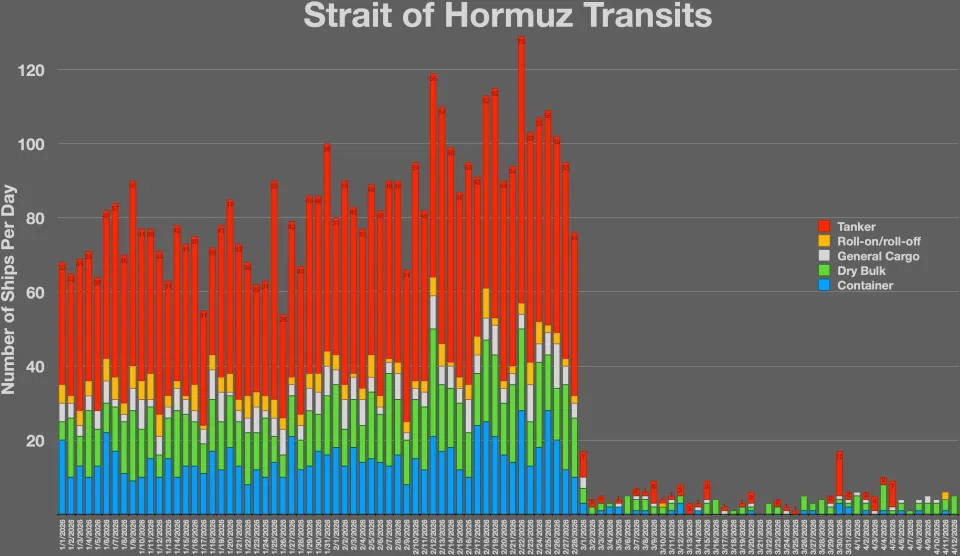
Compounding the political pressure from Washington were reports of fresh kinetic activity in the Persian Gulf. Bahrain’s foreign ministry officially condemned a drone attack on Saturday, which they attributed to Iranian-backed forces, following a series of overnight US strikes in the region. Furthermore, reports emerged of a vessel being targeted in the Strait of Hormuz, the world’s most critical oil chokepoint. While Bahrain reported no immediate damage, the “flagrant threat” described by their officials added a layer of regional instability that gold traders were quick to exploit. Gold 18k/gram moved from 16,229,281 to 16,510,688 Toman (+1.7%), reflecting a classic flight to safety.
In the coin market, the reaction was even more pronounced. The Emami coin rose from 163,000,000 to 166,000,000 Toman, a 1.8% jump that outpaced the currency’s move. This suggests that domestic investors are prioritizing physical gold over paper currency as a shield against both inflation and the potential for a wider regional escalation. Meanwhile, Foreign Minister Abbas Araghchi attempted to pivot the diplomatic narrative, declaring Iran the “standard-bearer” in the global fight against weapons of mass destruction during the anniversary of the Sardasht bombing. However, the market’s focus remained firmly on the immediate drone reports and the hawkish signals from the US executive branch rather than historical commemorations.
The Global Backdrop: AI, Stocks, and Institutional Shifts
While the local market was fixated on geopolitics, global financial trends provided a complex backdrop. In the US, the intersection of technology and essential services continues to evolve, with new discussions around AI-driven diagnostic tools in healthcare. The idea that AI, rather than just insurers, should guide treatment plans reflects a broader institutional shift toward automation that is driving tech valuations. However, some insiders are taking profits; notably, a director at Vesta recently sold over $200,000 in stock after a 25% yearly gain. This kind of institutional profit-taking often precedes a cooling period in equity markets, which can occasionally spill over into the crypto sector.
Bitcoin (BTC) remained relatively stable at $60,471, failing to catch the same “fear bid” that boosted gold in the Iranian market. This decoupling suggests that for Iranian investors, the immediate proximity of regional conflict makes physical gold and local USD more attractive than the digital volatility of the crypto market. As we look toward Sunday’s opening, the key factor will be whether the drone reports in Bahrain lead to further retaliatory cycles. If the rhetoric from the US remains uncompromising, the 168,000 Toman resistance level for the Dollar may be tested sooner than analysts expected. For now, the practical takeaway is clear: the market is in a high-alert phase where geopolitical headlines are the primary driver of price discovery.
Frequently Asked Questions
Why did the USD rise by 1.3% in a single day?
How did the gold market react compared to the currency market?
What was the significance of JD Vance's comments on HBO?
Are global markets affecting the price of Bitcoin in Iran?
Understanding Exchange Rate Volatility: The Iranian Toman in a Sanctioned Economy
Exchange rate volatility refers to the rapid and often unpredictable fluctuations in the price of one currency relative to another. In Iran, the official exchange rate for the rial (the unit underlying the Toman, which is 10 rials) is set by the Central Bank, but a parallel market—commonly called the free market—has long co‑existed, offering a markedly different price for dollars. When geopolitical events such as U.S. hawkish statements or regional drone strikes heighten uncertainty, the gap between the official and free‑market rates can widen dramatically, leading to spikes like the 166,850 IRR per USD level mentioned in recent news.
Sanctions are a primary driver of this volatility. U.S. and EU restrictions limit Iran’s ability to export oil, access foreign financing, and conduct international trade, which reduces the flow of hard currency into the country. With fewer dollars available, demand for foreign exchange outstrips supply, pushing the market rate upward. Simultaneously, the government may intervene by tightening official rates or imposing capital controls, actions that can further distort the market and fuel speculation.
The Toman’s volatility also spills over into other asset classes. Gold, traditionally a hedge against currency risk, often sees its local price surge when the rial weakens, as Iranians turn to precious metals to preserve wealth. Likewise, domestic cryptocurrencies such as the Emami coin experience heightened demand, offering an alternative store of value when the official banking system is constrained.
Understanding these dynamics helps investors and observers interpret why seemingly unrelated events—like a speech by Iran’s former foreign minister Abbas Araghchi on WMDs or a drone strike near the Strait of Hormuz—can instantly affect the Toman’s price. It underscores the interconnectedness of geopolitics, sanctions policy, and currency markets in a highly regulated economy.