Toman Gains Ground as Swiss Peace Talks Clash with Trump’s Threats and Hormuz Blockade
تقویت تومان در میان دوگانه مذاکرات سوئیس و تهدیدهای ترامپ: عقبنشینی دلار به کانال ۱۵۹ هزار
The Iranian Toman showed surprising resilience today as the USD fell 0.7% to 159,350, despite escalating rhetoric from Donald Trump and a renewed blockade in the Strait of Hormuz. While negotiators in Switzerland discuss lifting oil sanctions, the market is caught between diplomatic hope and geopolitical fire.
At time of publishing
USD
159,350
Toman
Gold 18K
16.04M
Toman / gram
Bitcoin
$64,090
US Dollar
Tether
160,735
Toman
The Swiss Paradox: Diplomacy Under the Shadow of Threats
The markets are currently navigating a surreal split-screen reality. In the serene setting of the Bürgenstock Resort in Switzerland, high-level negotiations are underway between US Vice President JD Vance and Iranian officials, focusing on lifting oil sanctions and stabilizing the region. However, this diplomatic effort is being met with fierce rhetorical resistance from Donald Trump, who has threatened fresh attacks if Hezbollah continues its activities. For the average Iranian investor, this creates a 'wait-and-see' atmosphere that has, surprisingly, strengthened the Toman today. The USD moved from 160,550 to 159,350, a decrease of 0.7%, suggesting that the market is currently pricing in the hope of a breakthrough rather than the fear of a breakdown.
The re-mounting of the blockade in the Strait of Hormuz by Iran is a high-stakes move that has forced global powers to the table. While such a blockade usually sends the dollar soaring due to risk aversion, the simultaneous discussion of sanctions relief—specifically mentioned by NIOC's Hamid Bovard—is providing a counter-weight. The market is effectively betting on whether the 'outstretched hand' described by Vance will prevail over the 'clenched fist' of the campaign trail. This volatility is reflected in the gold market as well, where Emami coin saw a more pronounced drop of 1.2%, falling to 163.5 million Toman, as speculative bubbles begin to deflate in anticipation of a potential de-escalation.

The Global Power Vacuum: From London to Oslo
While the eyes of Tehran are on Switzerland, the political landscape in Europe is shifting in ways that could redefine energy markets. In the UK, Keir Starmer's tenure appears to be reaching an early autumn handover, with Andy Burnham waiting in the wings to potentially implement a 'Manchesterism' policy of re-nationalization. This internal UK instability, combined with the tragic train crash in Bedford that has raised questions about national infrastructure safety, contributes to a general sense of Western administrative distraction. For Iran, a distracted West often means a slower response to regional shifts, though it also adds a layer of unpredictability to international trade agreements.
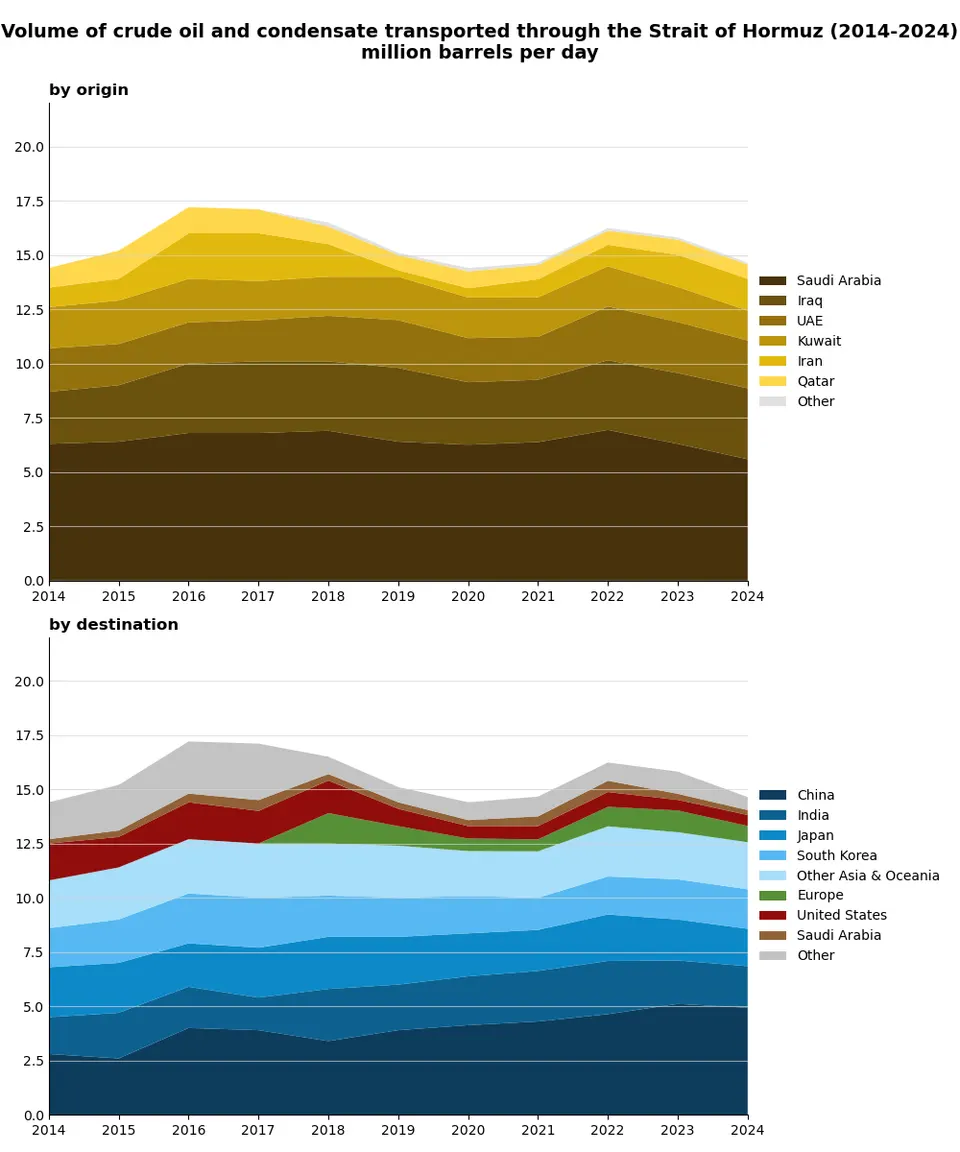
On the energy front, Equinor’s expansion of the Troll field in the North Sea illustrates Europe’s desperate hunt for gas security outside of traditional conflict zones. This $390 million investment aims to unlock 11 billion cubic meters of gas, a move that indirectly pressures Middle Eastern energy dominance. As Europe builds its own resilience, the leverage of the Strait of Hormuz may face a long-term decline. For Iranians, this means that the 'oil card' must be played soon or risk losing its strategic value as the world pivots toward diversified supply chains and renewable energy.
The AI Gold Rush and the Practical Takeaway
Beyond the geopolitical noise, the 'real' money is still flowing toward technology. Investors are looking past the immediate volatility of Nvidia to find the next trillion-dollar winners hidden within its supply chain. This suggests that while the Toman and gold are reacting to local headlines, the global 'smart money' is focused on the AI revolution. Even Bitcoin, which briefly dipped due to the 'war comeback' narrative, is struggling to reclaim the $64,000 level. This decoupling shows that crypto is no longer just a 'digital gold' for times of war; it is increasingly tied to global liquidity and tech sentiment.
The practical takeaway for the Iranian household is one of cautious optimization. Today's 0.7% drop in the dollar and the 1.2% slide in gold coins are not necessarily signs of a long-term bear market, but rather a 'cooling off' period. If you are holding significant amounts of gold, the current narrow spread between the buy and sell prices of the dollar suggests that the market is liquid but nervous. Diversifying into stablecoins like USDT, which currently sits at a premium of 160,735 Toman, might offer a hedge if the Swiss talks hit a sudden roadblock.
Final Outlook
As we head into Monday's session, watch the rhetoric from the US campaign trail closely. If Trump's threats intensify, the 159,000 Toman support level for the dollar may be tested. Conversely, any concrete news regarding 'oil sanctions exemptions' from the NIOC could push the dollar toward the 155,000 range. For now, the Toman is the winner of the day, but in a market governed by headlines from the Alps and the Persian Gulf, the only certainty is that tomorrow will bring a new set of variables.
Watch
What we know so far about the Bedford train crash | BBC News
BBC News