Iran Deal Lifts Sanctions, Stabilizes Toman as Saudis Seek Russian Fuel
توافق ایران تحریمها را لغو کرد، تومان تثبیت شد؛ عربستان به دنبال سوخت روسیه
The Iranian Toman saw a slight gain against the USD today as the US announced a temporary lifting of sanctions on Iranian oil exports. Meanwhile, Saudi Arabia is increasingly relying on Russian fuel oil amid regional energy supply disruptions.
At time of publishing
USD
159,250
Toman
Gold 18K
16.13M
Toman / gram
Bitcoin
$64,380
US Dollar
Tether
159,867
Toman
What Actually Happened
The Iranian Toman experienced a modest strengthening today, closing out the trading session with the US Dollar selling at 159,250 Toman. This movement comes on the heels of significant geopolitical news: the United States has announced a temporary 60-day lifting of sanctions on Iranian oil exports. This policy shift, aimed at facilitating a broader deal to end regional conflicts, directly impacts the availability of foreign currency and could alleviate some inflationary pressures that have weighed on the Toman.
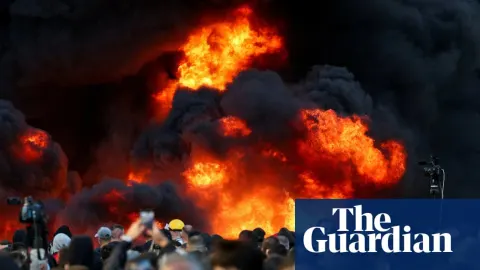
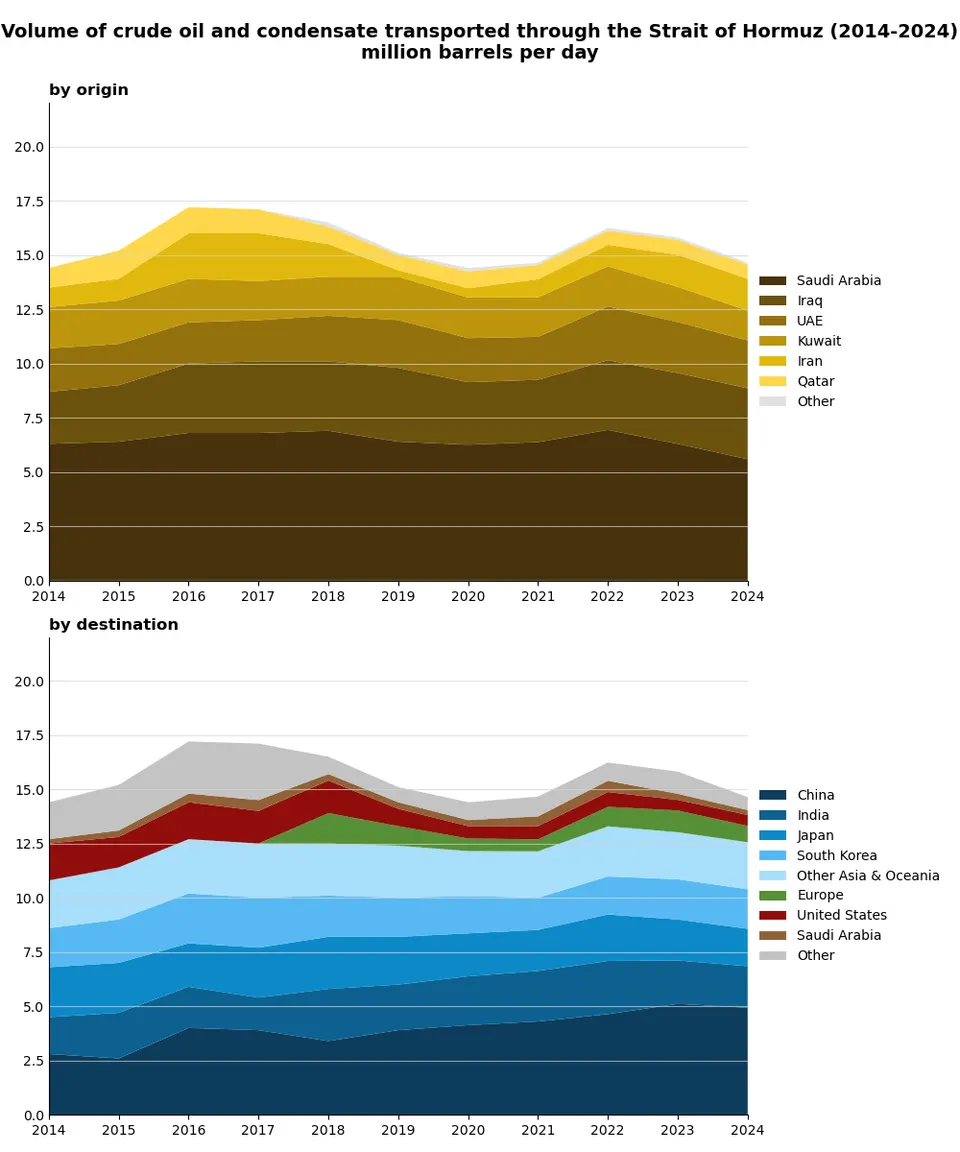
Simultaneously, global energy markets are showing signs of strain, particularly in the Middle East. Saudi Arabia is reportedly increasing its reliance on Russian fuel oil. This strategic pivot is driven by disruptions to domestic power generation and reduced oil and gas supplies, exacerbated by ongoing regional tensions that have impacted key shipping lanes like the Strait of Hormuz. The situation highlights the complex interdependencies within the global energy landscape, where geopolitical events can quickly cascade into supply chain vulnerabilities.
Why This Matters to You
For the average Iranian, the temporary lifting of oil sanctions is a beacon of hope, even if its immediate impact on daily life is nuanced. The influx of foreign currency from increased oil sales could translate into a more stable or even appreciating Toman. This means your savings in Toman might hold their value better, and the cost of imported goods, which often dictates local prices, could see a slowdown in its relentless rise. However, the 60-day window means this stability is not yet guaranteed long-term, urging continued vigilance.
The Saudis turning to Russian fuel oil, while seemingly distant, has ripple effects. It signals persistent instability in the region's energy supply, which traditionally underpins global oil prices. Higher global oil prices, even if indirectly, can contribute to inflationary pressures worldwide. For Iran, this means that while sanctions relief might offer some breathing room, the broader volatility in energy markets, driven by geopolitical risks and supply constraints, remains a significant factor to monitor for potential future price hikes on essential goods.
The Bigger Picture
The US-Iran diplomatic developments, including Vice President JD Vance’s statement about a "very good foundation for a successful final deal" and Iran's agreement to allow UN nuclear inspectors back, paint a picture of de-escalation. The potential reopening of the Strait of Hormuz, a critical global energy chokepoint, is a significant development that could reshape regional security and global trade dynamics. If these diplomatic efforts hold, they could lead to a more predictable energy supply and a calmer geopolitical environment, benefiting economies worldwide.
However, the reliance of major energy consumers like Saudi Arabia on alternative, and at times politically charged, sources like Russian fuel oil underscores the fragility of the current energy order. The ongoing Ukrainian strikes on Russian energy infrastructure, coupled with the Hormuz crisis, illustrate how interconnected and vulnerable the global energy market remains. This complex web of supply and demand, influenced by geopolitical maneuverings and conflict, will continue to be a key driver of inflation and economic sentiment, impacting everything from the price of gasoline at the pump to the value of your investments.
Market Wrap
Today's trading session saw the US Dollar selling at 159,250 Toman, a slight decrease from its previous close, reflecting the positive sentiment surrounding the US sanctions relief on Iranian oil. The Gold 18k gram price saw a modest increase, closing at 16,133,247 Toman, up 0.5% for the day, indicating its continued role as a hedge against currency fluctuations and geopolitical uncertainty. The Emami coin remained stable at 163,500,000 Toman, showing no change for the 24-hour period.
In the cryptocurrency space, Bitcoin traded around $64,380. While specific 24-hour deltas were not provided for BTC and ETH in this snapshot, the general sentiment in crypto markets often reacts to macroeconomic news and risk appetite shifts. The USDT stablecoin, pegged to the US Dollar, was trading at 159,867 Toman, closely mirroring the Toman's movement against the greenback.
Tomorrow's Watchlist
Keep a close eye on the follow-up to the US-Iran diplomatic talks. Any concrete steps towards inspections or further sanctions relief will be crucial. Also, monitor global oil price movements and Saudi Arabia's energy sourcing strategies. The continued impact of extreme heat warnings in Europe and elsewhere could also influence energy demand and prices. Finally, watch for any further developments in the cryptocurrency market, particularly any signals of a sustained bottom or continued volatility.
Frequently Asked Questions
How does the temporary lifting of US sanctions on Iranian oil affect the Toman?
Why is Saudi Arabia turning to Russian fuel oil?
What is the significance of the potential reopening of the Strait of Hormuz?
How are gold prices reacting to these developments?
What should I watch for in the markets tomorrow?
The Impact of International Sanctions on National Currencies
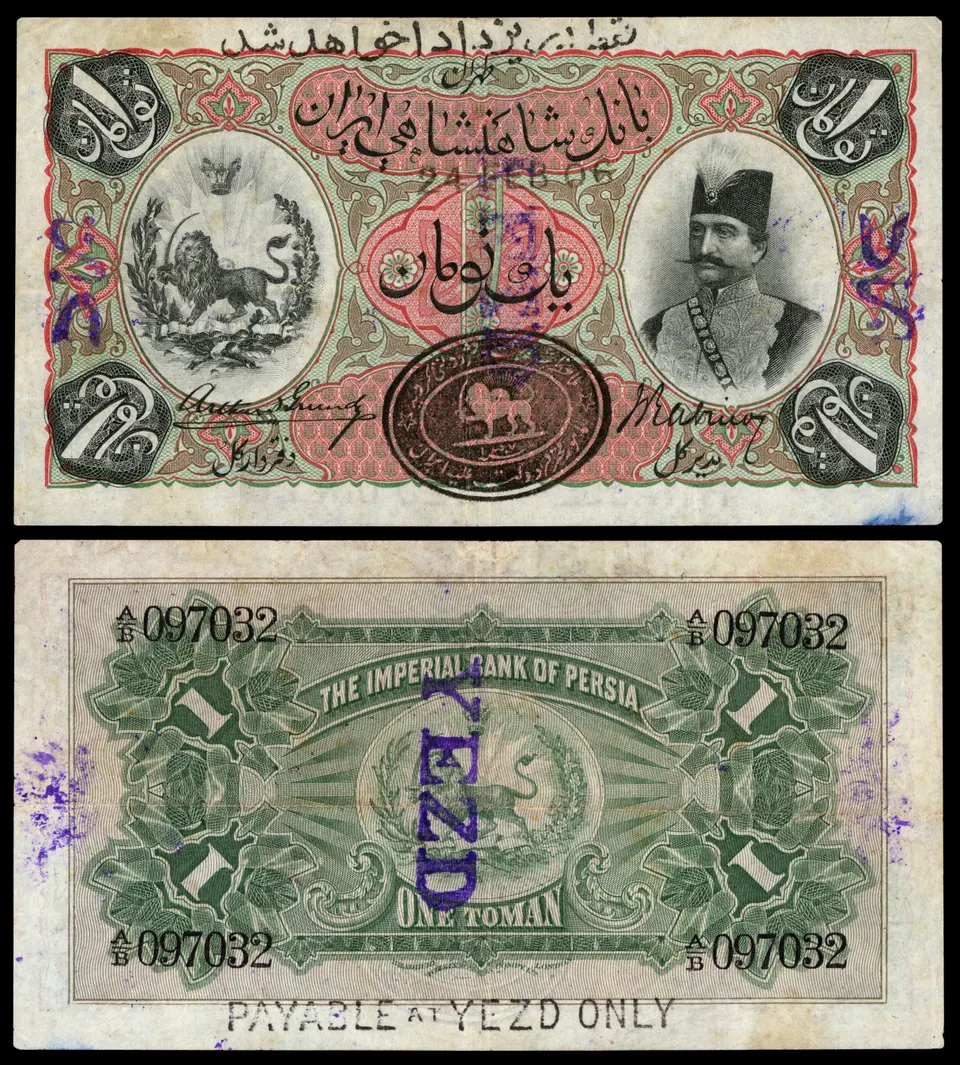
International sanctions are powerful economic tools employed by countries or international bodies to pressure target states into changing their policies. These measures often restrict a nation's access to global financial systems, trade, and specific goods, most notably oil exports for countries like Iran. When sanctions are imposed, a country's ability to earn foreign currency (like U.S. dollars or Euros) through exports is severely curtailed. This reduction in foreign currency inflows directly impacts the supply-demand dynamics for the local currency.
The scarcity of foreign currency within the sanctioned economy leads to a depreciation of the national currency. For instance, in Iran's case, the Toman's value against the U.S. dollar has historically plummeted under strict sanctions. This occurs because local businesses and individuals still need foreign currency to import goods, conduct international transactions, or simply as a hedge against local inflation. With fewer dollars entering the country, the price of each available dollar rises sharply in terms of Toman, making imports more expensive and fueling domestic inflation.
Beyond direct currency depreciation, sanctions trigger broader economic consequences. Capital flight often accelerates as investors lose confidence and seek safer havens abroad. Foreign investment dries up, hindering economic growth and job creation. Domestically, citizens may turn to alternative stores of value, such as gold or durable goods, to protect their savings from the eroding purchasing power of the national currency, as seen with the demand for Emami gold coins in Iran. Therefore, the lifting of sanctions, as mentioned in the headline, can reverse these trends by increasing foreign currency inflows, stabilizing the national currency, and improving the overall economic outlook.