Toman Drops 4.3% as Regional Escalation Meets China's $60B Post-War Energy Play
سقوط ۴.۳ درصدی تومان؛ تقابل تنشهای منطقهای با خیز بلند ۶۰ میلیارد دلاری چین در ایران
The Iranian Toman faced a sharp 4.3% devaluation today as regional tensions flared, while global markets watched a massive tech rotation and China's strategic move into Iranian energy reconstruction.
At time of publishing
USD
173,950
Toman
Gold 18K
17.22M
Toman / gram
Bitcoin
$59,522
US Dollar
Tether
172,824
Toman
The Toman’s Sunday Shock
The Iranian currency market witnessed a volatile Sunday session, with the US Dollar surging from 166,850 to 173,950 Toman, marking a significant 4.3% increase in just 24 hours. This movement wasn't isolated; the gold market mirrored this anxiety, as 18k gold rose from 16,530,310 to 17,220,324 Toman per gram (+4.2%). For the average Iranian household, this jump represents more than just a number on a screen—it is a direct hit to purchasing power as the market reacts to the increasingly fragile ceasefire in the region. The Emami coin also breached the 173 million Toman mark, reflecting a flight to safety as geopolitical risks outweigh local economic interventions.
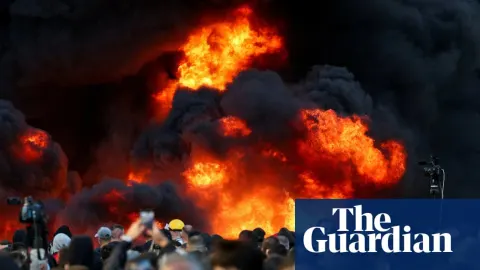
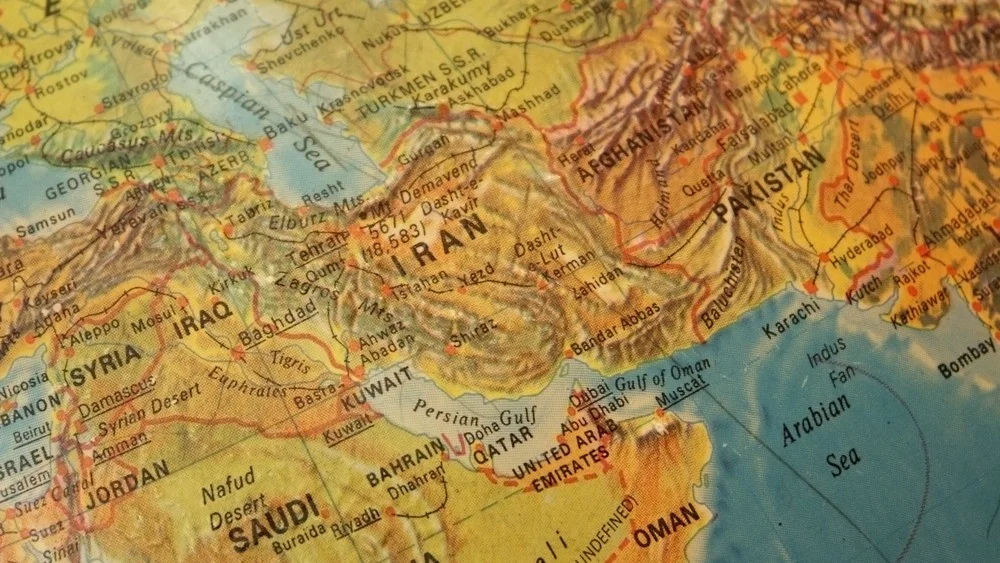
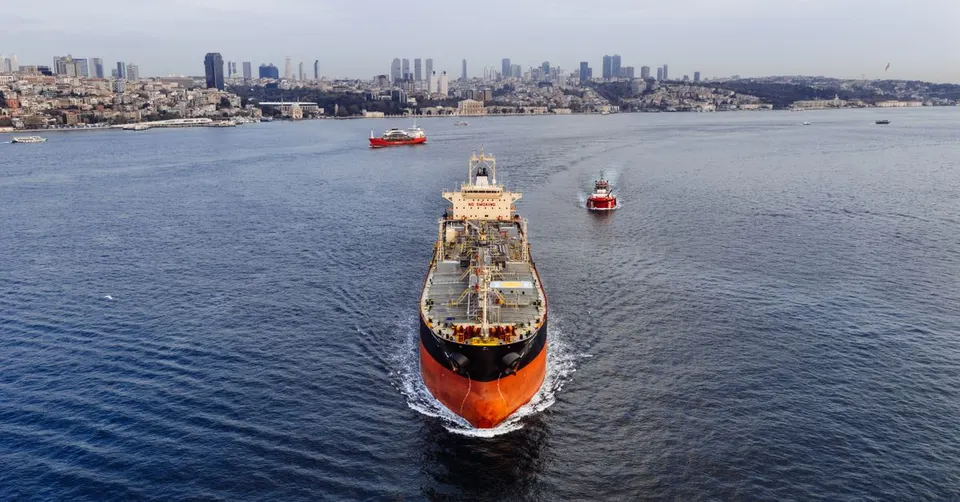
This spike is largely attributed to the reports of renewed strikes involving Bahrain and Kuwait, which host US bases, following American attacks on targets within Iran. As the 'standoff in the Strait of Hormuz' continues to erode hopes for a quick return to normalcy, the market is pricing in the risk of a prolonged disruption to trade. When the most vital shipping lane for energy and consumer goods is under threat, the Toman inevitably bears the brunt of the speculation. Traders are no longer looking at domestic inflation alone; they are watching the horizon for the next drone or missile, making the currency a barometer for regional peace.
China’s Long Game Amidst the Chaos
While the immediate news is dominated by conflict, a more profound shift is occurring in the background. Beijing is positioning itself to lead post-war reconstruction efforts in Tehran, a move that could fundamentally alter Iran's long-term economic trajectory. During a recent meeting in New Delhi, Chinese Foreign Minister Wang Yi laid the groundwork for securing long-term access to Iranian oil reserves in exchange for infrastructure development. This 'energy-for-reconstruction' model provides a potential lifeline for the Iranian economy, but it also signals a shift away from Western-led financial systems. For investors, this means the Toman's future value may eventually be pegged more closely to the Yuan and Chinese industrial demand than to traditional Western metrics.
However, the global energy landscape remains treacherous. A recent Ukrainian strike on a major Russian oil refinery, which sparked a significant blaze, reminds us that the global energy supply is under constant threat. Russian President Vladimir Putin’s acknowledgment of a 'difficult period' highlights the strain on major oil producers. For Iran, which relies on oil exports to stabilize its budget, any disruption in global supply chains or a shift in Russian output creates a ripple effect. If Russia's capacity is choked, the pressure on Iran to fill the gap increases, but so does the risk of being caught in the crossfire of international sanctions and military escalations.
The Tech Rotation: From Nvidia to Broadcom
In the global financial sphere, a major rotation is underway that Iranians with international portfolios should note. A prominent billionaire investor recently made headlines by rotating out of Nvidia and purchasing 196,000 shares of Broadcom. This shift suggests that the 'AI hype' is maturing, moving from hardware providers to infrastructure and cloud specialists. Meanwhile, Elon Musk's SpaceX has reportedly spent $60 billion on Artificial Intelligence, leading analysts to wonder if he is building the 'next Amazon.' This massive capital deployment in the US tech sector contrasts sharply with the defensive posture of Middle Eastern markets, showing a world divided between high-tech expansion and geopolitical survival.
For the local reader, this global context is crucial. As SpaceX and other giants pour billions into AI and aerospace defense—with some stocks showing 10% EPS growth—the global appetite for risk is being diverted away from emerging markets toward proven tech winners. This 'capital flight' to US-based tech stocks strengthens the USD globally, which in turn puts more pressure on the Toman. The practical takeaway is clear: while local gold and currency are immediate hedges, the world's 'smart money' is betting on the long-term dominance of AI infrastructure. Diversifying one's perspective to include these global shifts is no longer optional; it is a necessity for financial survival in 2026.

Final Takeaway for the Week Ahead
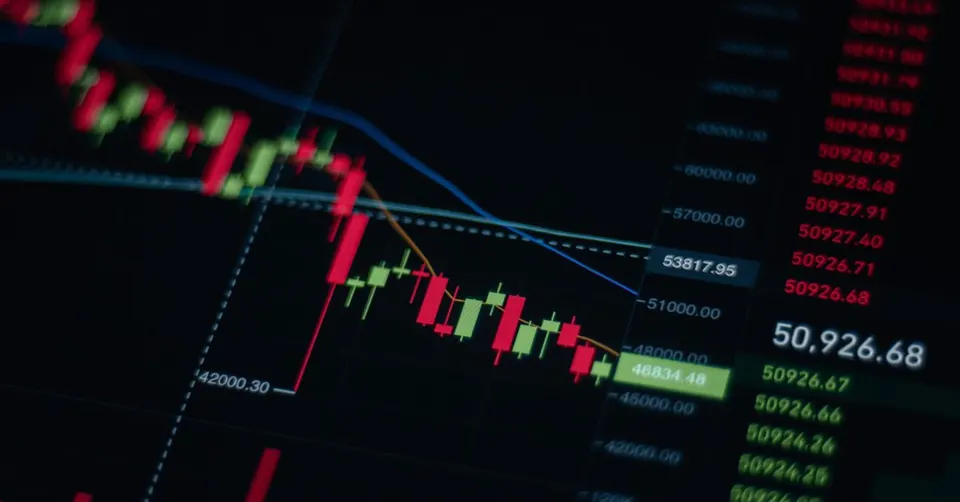
As we close the Sunday session, the focus remains on the 174,000 Toman resistance level for the USD. If regional tensions do not de-escalate, we could see further testing of these highs. Tomorrow, keep a close eye on any official statements regarding the Strait of Hormuz and the progress of the diplomatic talks in Baghdad. For those holding gold, the 4.2% daily gain provides a cushion, but the volatility suggests that the market is far from a stable equilibrium. Stay liquid, stay informed, and watch the energy headlines as closely as the price charts.
Frequently Asked Questions
Why did the USD/IRR price jump by 4.3% in a single day?
What is China's 'post-war' reconstruction plan for Iran?
How does the Ukrainian strike on a Russian refinery affect the Iranian market?
Is the rotation from Nvidia to Broadcom relevant to Iranian investors?
Geopolitical Risk: Its Impact on Currency and Energy Markets
The recent headline about the Toman's drop amidst regional escalation and China's energy play highlights a critical economic concept: Geopolitical Risk. This refers to the potential for political instability, conflicts, or strategic rivalries between nations to disrupt global markets and economic activity. In regions like the Middle East, where energy resources are abundant and political tensions can run high, geopolitical risk becomes a significant factor influencing everything from oil prices to national currencies.
The Strait of Hormuz, mentioned in the keywords, is a prime example of a geopolitical flashpoint. As a narrow chokepoint through which a substantial portion of the world's seaborne oil passes, any threat to its stability immediately sends ripples through global energy markets. Perceived risks of supply disruptions can cause oil prices to spike, impacting economies worldwide. For a major oil producer like Iran, whose economy is heavily reliant on energy exports, these tensions are particularly acute, influencing its economic stability and international trade relations.
Crucially, geopolitical risk directly impacts a nation's currency. When political uncertainty or conflict escalates, foreign investors often pull out capital, seeking safer havens. This capital flight, coupled with reduced foreign direct investment and a general loss of confidence in the economy, puts downward pressure on the local currency. The Toman's depreciation, as indicated in the headline, is a classic symptom of such pressures, reflecting investor apprehension about regional stability and its economic consequences. Furthermore, the need to import essential goods often requires foreign currency, and a weakening local currency makes these imports more expensive, contributing to inflation.
Even strategic investments, like China's reported $60 billion energy play, while potentially offering long-term economic benefits, are made within this complex geopolitical landscape. Such deals can be influenced by, and in turn influence, the balance of power and regional dynamics, adding another layer to the intricate web of geopolitical risk that shapes global finance and energy markets.