
Toman Recovers as USD Drops 2.6%; Market Cools Amid Regional Diplomacy and Global Legal Shifts
عقبنشینی ۲.۶ درصدی دلار؛ بازگشت آرامش به بازار ارز در سایه دیپلماسی و اصلاح قیمت طلا
The Iranian Toman showed surprising resilience today as the USD price fell from 174,950 to 170,350, marking a 2.6% decline. Gold prices followed suit with a sharper 3.8% drop, signaling a temporary cooling period for local investors.
At time of publishing
USD
170,350
Toman
Gold 18K
16.59M
Toman / gram
Bitcoin
$60,431
US Dollar
Tether
170,683
Toman
The Toman’s Tactical Retreat
After a period of intense volatility, the Iranian market witnessed a notable correction during Monday's night session. The US Dollar, which had been testing higher resistance levels, moved from 174,950 to 170,350 Toman, representing a 2.6% decrease. This shift suggests that the 'panic buying' phase may be subsiding, at least temporarily, as traders digest recent diplomatic signals from the region. While the currency remains at historically high levels, the break below the 171,000 threshold provides a psychological relief for importers and everyday consumers who have been battling rampant inflation.
This cooling effect isn't happening in a vacuum. Market participants are closely watching the de-escalation efforts mediated by regional players like Oman. When geopolitical friction eases, even slightly, the 'risk premium' baked into the Toman’s price begins to evaporate. For the average Iranian, this means a momentary stabilization in the cost of imported goods, though the long-term trend still requires cautious monitoring of central bank policies and international sanctions updates.

Gold Corrects Despite Global Highs
Perhaps the most striking movement today was in the gold sector. Despite the global gold ounce hovering at a staggering $4,022.90, the local price for 18k gold in Iran plummeted by 3.8%, moving from 17,249,873 to 16,593,102 Toman per gram. Similarly, the Emami coin saw a 2.3% drop, falling from 173,000,000 to 169,000,000 Toman. This divergence between the rising global gold price and the falling local price is a direct result of the Toman’s strengthening against the Dollar, which acts as a more powerful local driver than international commodity trends.
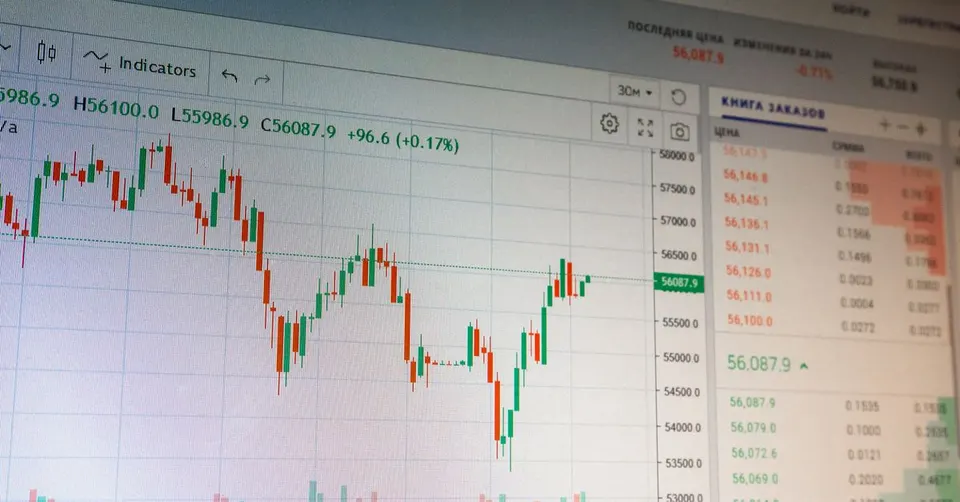
For investors, this correction serves as a reminder that the Iranian gold market is a 'double-edged sword' influenced by both the global ounce and the local exchange rate. When the Toman gains ground, it can offset even record-breaking surges in global gold. Those who bought at the peak yesterday are now facing a sharp short-term loss, emphasizing the need for a 'dollar-cost averaging' strategy rather than chasing green candles during a high-stress market environment.

The Bigger Picture: Global Volatility and Legal Dramas
Beyond our borders, the financial world is grappling with a series of high-profile legal and corporate shifts that indirectly shape global risk appetite. In the United States, the federal trial for Luigi Mangione has been pushed to 2027, while in London, the trial of Simon Levy has highlighted ongoing concerns regarding public safety and institutional accountability. While these may seem distant, they contribute to a global sentiment of 'legal uncertainty' that often drives capital toward safe-haven assets like Bitcoin—which remains steady at $60,431—and gold.
Furthermore, the corporate world is seeing massive restructuring, such as the Comcast-NBCUniversal spinoff, which Wall Street is betting on as a precursor for more mergers and acquisitions. For Iranian observers, these moves signify a global economy that is rapidly reconfiguring itself. As major Western corporations lean into efficiency and legal battles dominate the headlines, the resulting market volatility often trickles down to emerging markets. The takeaway for the local reader is clear: in a world where even the most stable institutions are in flux, liquidity and diversification remain your best defenses.
Practical Takeaway for Tomorrow
With the USD sitting near the 170,000 support level, tomorrow's opening session will be critical. If the Toman maintains this strength, we could see gold prices stabilize further. However, if the 170,000 floor is breached upward again, today's correction will be viewed as a mere 'bull flag.' Keep a close eye on the AED (Dirham) rate at 46,900; any sudden movement there usually precedes a shift in the Tehran USD market. For now, avoid FOMO (fear of missing out) and wait for a confirmed trend before making large-scale conversions.
Frequently Asked Questions
Why did gold prices drop in Iran while the global ounce is over $4,000?
Is the current drop in USD a long-term trend or a temporary correction?
How does the Comcast-NBCUniversal spinoff affect Iranian investors?
What should I watch for tomorrow's market opening?
Understanding Managed Float Exchange Rates
A managed float (also called a dirty float) is an exchange‑rate regime where a country’s currency is allowed to fluctuate in the foreign‑exchange market, but the central bank steps in occasionally to smooth excessive volatility or to guide the rate toward a desired path. Unlike a pure free float, where market forces alone determine the price, a managed float uses interventions such as foreign‑exchange swaps, outright sales or purchases of reserves, and sometimes capital controls. This hybrid approach lets policymakers balance the benefits of market‑determined rates—like automatic adjustment to trade shocks—with the stability needed for inflation control and investor confidence.
Iran’s Toman has been hovering in a managed‑float arrangement for years. The official rate set by the Central Bank of Iran (CBI) coexists with a parallel market where the USD/IRR rate can differ dramatically. When regional diplomacy, such as Oman’s recent outreach to Tehran, eases geopolitical risk, the CBI may tolerate a modest appreciation of the Toman to signal confidence, while still intervening to prevent a sharp swing that could fuel inflation. The recent 2.6% drop in the USD against the Toman illustrates how a managed float can produce short‑term recoveries without a full‑blown re‑pegging.
The mechanics of intervention matter. If the CBI sells dollars from its reserves, the supply of foreign currency in the market rises, pushing the USD/IRR rate down (i.e., the Toman strengthens). Conversely, buying dollars absorbs excess supply and can halt a rapid appreciation. These moves are often communicated through official statements or through the timing of large‑scale transactions, creating a signaling effect that influences market expectations.
A managed float also interacts with commodity prices, especially gold. In Iran, gold is a popular hedge against currency depreciation. When the Toman weakens, gold prices in local currency rise, prompting investors to shift funds into the metal. Conversely, a strengthening Toman—like the recent recovery—can depress local gold prices, as the same amount of foreign currency now buys fewer tomans. Understanding this linkage helps fintech firms and investors anticipate price movements across assets.
For economies with high inflation and limited reserve buffers, a managed float offers a pragmatic middle ground. It provides enough flexibility to absorb external shocks—such as shifts in global oil prices or sanctions—while retaining a degree of control to protect domestic price stability. However, the success of this regime hinges on credible policy, transparent communication, and sufficient foreign‑exchange reserves to back interventions.