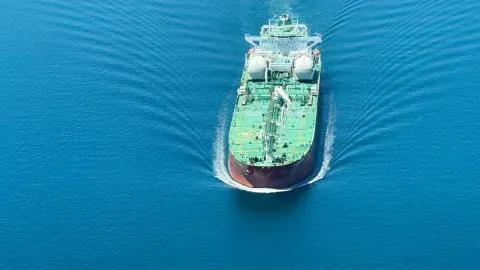
Toman Defies 'Full-Scale War' Rhetoric as USD Slips to 188k Amid $90 Brent Crude
مقاومت تومان در برابر طبل جنگ؛ دلار به ۱۸۸ هزار تومان عقبنشینی کرد
Despite escalating threats between Tehran and Washington and Brent crude hitting $90, the Iranian Toman gained 1.2% today. Gold coins saw an even sharper 3.2% correction, suggesting a temporary exhaustion in the panic-buying cycle.
At time of publishing
USD
188,800
Toman
Gold 18K
18.16M
Toman / gram
Bitcoin
$65,422
US Dollar
Tether
188,851
Toman
The Market Paradox: War Drums and Cooling Prices
In a day defined by high-decibel geopolitical threats, the Iranian markets provided a surprising counter-narrative. Despite President Pezeshkian’s declaration that the country is engaged in a "full-scale war" and Donald Trump’s ominous warning that Iran "will pay many times over" for recent regional escalations, the currency market did not spiral. Instead, the USD moved from 191,000 to 188,800 Toman, marking a -1.2% decline. This suggests that the local market had already priced in a significant portion of the current tension, or perhaps, that traders are exhausted by the repetitive nature of the rhetoric.
The correction was even more pronounced in the gold sector. Emami gold coins, which often serve as the primary vehicle for local panic-hedging, dropped from 189,000,000 to 183,000,000 Toman, a significant -3.2% move. While global gold prices remain historically high at $4,012.80 per ounce, the domestic "bubble" or premium on coins seems to be deflating. This move indicates that while the geopolitical situation is objectively worsening, the immediate liquidity in Tehran is seeking a temporary floor rather than chasing a vertical breakout.

Geopolitics and the $90 Oil Ceiling
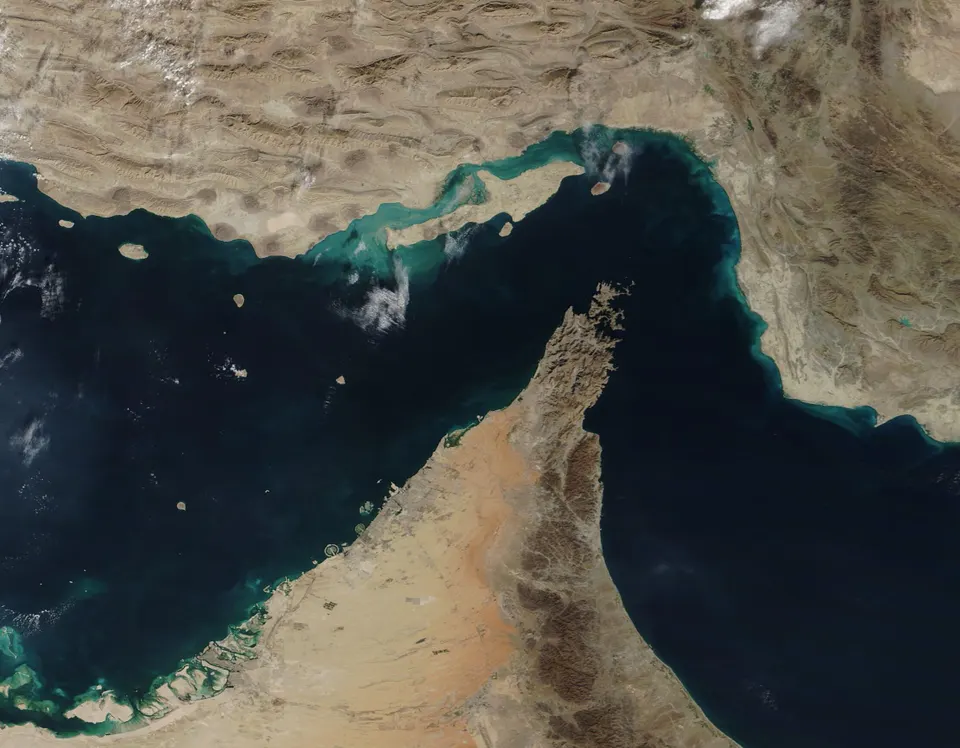
The external pressure remains immense. Brent crude for September delivery surged to $90.50 a barrel, briefly crossing the $91 mark for the first time since June. This spike followed reports of a vessel catching fire in the Strait of Hormuz and a wave of U.S. CENTCOM strikes targeting Iranian command centers and missile launch sites. The U.S. military is explicitly holding Tehran accountable for attacks on commercial shipping, creating a volatile backdrop for the Toman. Typically, rising oil prices benefit the Iranian treasury, but under the current sanctions regime and the threat of a total blockade, the "oil windfall" is increasingly difficult for the average citizen to feel.
Furthermore, the regional landscape is shifting. The Houthi militia in Yemen has declared a Red Sea blockade on Saudi Arabia, a move that directly threatens the energy exports of Tehran’s regional rival but also risks a broader maritime conflagration. For the Iranian investor, this creates a double-edged sword: high global energy prices could theoretically support the Toman, but the risk of direct kinetic conflict with the U.S. acts as a massive weight on the currency's long-term stability. The market's current retreat to 188k for the USD may be a "breather" before the next headline-driven surge.
Global Tech Momentum and the Practical Takeaway
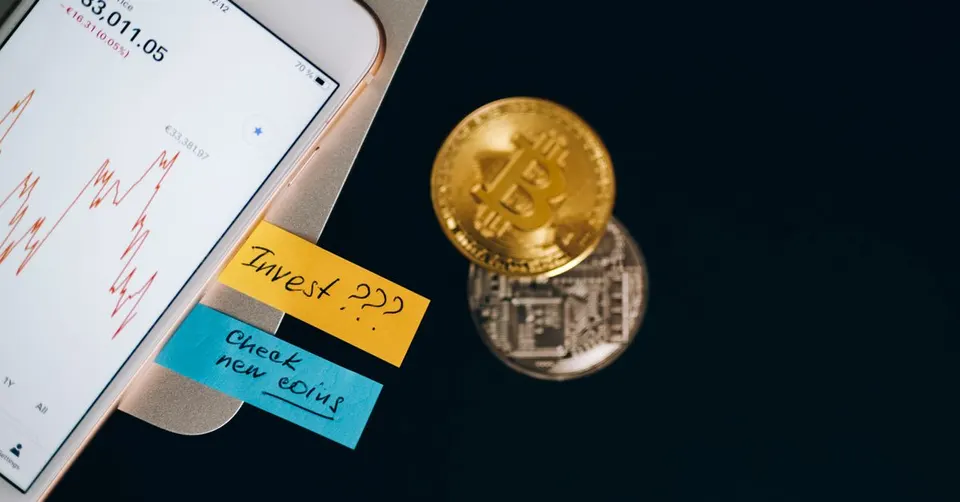
While the Middle East burns, global markets are finding pockets of resilience in technology. AMD’s stock climbed today as investors anticipated new product launches and digested a significant deal with Microsoft. This highlights a growing divergence between the "old world" of geopolitical strife and the "new world" of AI-driven capital flows. For Iranians, this divergence is visible in the crypto markets; Bitcoin is currently battling resistance at the $65,422 level. While BTC remains a popular flight-to-safety asset in Tehran, it is currently tracking global tech sentiment more closely than local geopolitical fears.
The long-term energy outlook also received a notable update from Africa, where Nigeria announced a target of 3 million barrels per day by 2030. While this is years away, it signals a global push to diversify oil supply away from the volatile Persian Gulf. For the local reader, the takeaway is clear: the current dip in USD and Gold prices is a correction, not necessarily a trend reversal. With the U.S. political landscape also in flux—evidenced by the Maine Senate race shifts—the external environment remains too unpredictable for aggressive long positions. Those holding Toman should watch the 185k level for the USD; a break below that would signal a more profound cooling of tensions, while a bounce back toward 195k remains the primary risk.
Frequently Asked Questions
Why did the USD drop today despite the 'full-scale war' rhetoric?
Should I buy gold coins after the 3.2% price drop?
How does the $90 Brent oil price affect the Iranian Toman?
What is the significance of the Houthi blockade on Saudi Arabia for Iranian investors?
Geopolitical Risk and Currency Valuation
Geopolitical risk refers to the potential for political instability, conflicts, or international tensions to disrupt global markets and economic activity. Such events, whether actual or merely threatened, introduce significant uncertainty, causing investors to reassess the risk profiles of various assets and regions. This re-evaluation can trigger shifts in capital flows, impacting everything from stock markets to commodity prices and, crucially, currency exchange rates.
Typically, during periods of heightened geopolitical risk, there's a "flight to safety." Investors tend to move capital out of perceived riskier assets or economies and into more stable, "safe-haven" currencies like the U.S. Dollar (USD), Japanese Yen (JPY), or Swiss Franc (CHF). This capital outflow causes the currency of the affected or risk-prone region to depreciate against these safe havens. For commodity-exporting nations, geopolitical tensions, especially those threatening vital trade routes like the Strait of Hormuz, can also directly impact global supply, driving up commodity prices (like oil) which, in turn, can sometimes offer a counteracting support to their national currency by boosting export revenues.
However, the relationship isn't always straightforward. The headline mentions the Iranian Toman defying 'full-scale war' rhetoric while the USD slips. This suggests a complex interplay of factors. While geopolitical tensions typically weaken a currency, several elements might explain this defiance: the market might have already priced in a significant amount of risk, diminishing the impact of new rhetoric; the high price of Brent crude at $90 per barrel could be providing substantial support to Iran's oil-dependent economy, bolstering the Toman; or investors might view the specific 'full-scale war' threats as less credible or impactful than previous escalations. Ultimately, currency valuation reflects a dynamic balance between perceived risks, actual economic fundamentals, and market sentiment.
Understanding this interplay is vital for interpreting global economic news. It highlights that market reactions are not always linear or predictable based solely on political rhetoric. Instead, they are a nuanced outcome of how various global and domestic economic forces, investor psychology, and pre-existing market conditions interact with new information.