
Toman Gains 0.7% Despite Hormuz Tanker Explosion; Bitcoin Defies Regional Chaos at $83k
تقویت ۰.۷ درصدی تومان در سایه انفجار نفتکش در هرمز؛ بیتکوین در مرز ۸۳ هزار دلار ایستاد
The Iranian Toman showed unexpected resilience today, gaining 0.7% against the USD even as the IRGC reported a burning supertanker in the Strait of Hormuz. While regional tensions flared with fresh attacks on Riyadh airport, Bitcoin’s climb toward $83,000 continues to dominate the digital asset landscape for Iranian hedgers.
At time of publishing
USD
265,400
Toman
Gold 18K
26.45M
Toman / gram
Bitcoin
$82,983
US Dollar
Tether
265,187.149
Toman
The Toman’s Surprising Resilience
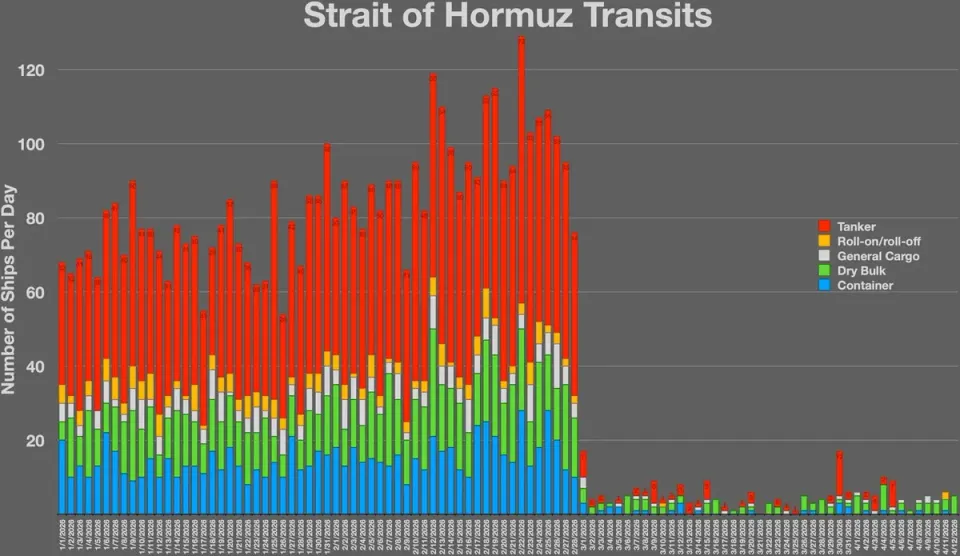
In a day marked by significant regional volatility, the Iranian Toman managed a modest recovery. The USD sell rate moved from 267,400 to 265,400 Toman, marking a -0.7% decrease over the last 24 hours. This appreciation comes at a time when traditional market logic would suggest a spike in safe-haven demand. The primary driver of today's tension was a report from the Navy of the Islamic Revolution Guards Corps (IRGC), which announced that a 'rogue' supertanker carrying crude oil exploded after striking a naval mine while exiting the Strait of Hormuz via an unauthorized route. Such incidents in the world's most critical energy chokepoint typically send the Toman into a tailspin, yet the market today appeared to have already priced in a high degree of geopolitical friction.
Simultaneously, reports emerged of another attack on Riyadh’s King Khalid International Airport, with flights being diverted following strikes attributed to Houthi forces. This escalation in the Saudi capital, which has faced repeated strikes in recent days, usually acts as a catalyst for currency fluctuations in Tehran due to the perceived risk of a wider regional conflagration. However, the closing session of Saturday, October 10, 2026, suggests that local traders are currently more focused on internal liquidity levels than immediate headlines. The Toman’s 0.7% gain reflects a market that is momentarily exhausted by the constant drumbeat of conflict, seeking a temporary floor near the 265,000 level.
Crypto Sentiment and the Global Risk Appetite
While the local currency found some breathing room, the cryptocurrency market remains the primary theater for aggressive capital growth. Bitcoin (BTC) is currently trading at $82,983, maintaining its historic highs. For Iranian investors, the Tether (USDT) price of 265,187 Toman serves as the real-time barometer for both global crypto sentiment and local dollar demand. Interestingly, global risk appetite is being shaped by bizarre and high-profile news cycles, such as the discharge of Christa Pike from the hospital following a botched execution attempt in the United States. While seemingly unrelated to finance, such stories often dominate social sentiment filters that algorithmic traders use to gauge market 'noise' and volatility.
For the everyday Iranian user, the stability of Bitcoin above the $80,000 mark has transformed it from a speculative asset into a genuine alternative to the traditional banking system. As global agencies like the CFTC in the US begin to draw sharper lines between prediction markets and gambling, the legitimacy of the broader crypto ecosystem continues to solidify. This institutional maturation abroad provides a psychological safety net for local buyers who are wary of the Toman’s long-term prospects despite today’s minor gain. The demand for digital assets remains robust, with many viewing the current Toman recovery as a window to increase their USDT positions before the next potential wave of regional instability.
The Strategic Pivot: Energy and Alliances
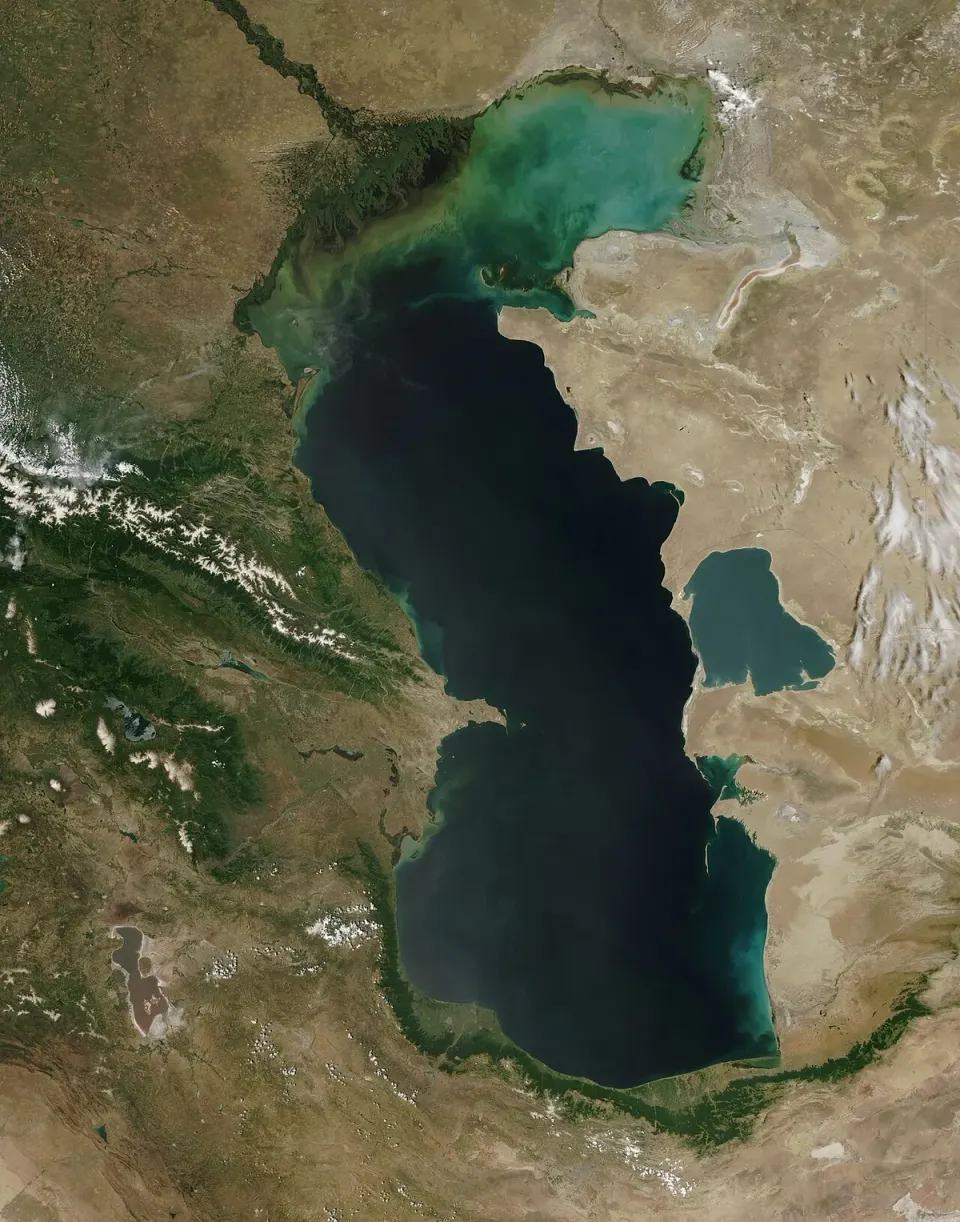
Beyond the immediate price action, the long-term outlook for the Iranian economy is being shaped by strategic energy discussions. On Saturday, October 10, 2026, Iranian officials met with Russian counterparts to discuss expanded oil exploration cooperation in the southern Caspian Sea. The CEO of the Caspian Oil Company highlighted the potential for developing hydrocarbon structures in this sector, a move that signals Iran’s intent to diversify its energy extraction points away from the volatile Persian Gulf. This 'Northern Pivot' is a clear attempt to build economic resilience against the types of disruptions seen today in the Strait of Hormuz.
However, the immediate reality remains tied to the security of the southern waters. The IRGC’s Navy Deputy Commander, Rear Admiral Faramarz Bemani, stressed the need for strengthening national power to safeguard independence, a rhetoric that often precedes increased naval presence. For the market, this means that while the Toman gained 0.7% today, the underlying causes of volatility—sanctions, regional proxy conflicts, and energy security—remain entirely unresolved. Investors should view today’s closing prices as a consolidation phase rather than a trend reversal. The practical takeaway is clear: use the current dip in the USD rate to rebalance portfolios, as the fundamental pressures on the Toman have not dissipated.
Frequently Asked Questions
Why did the Toman strengthen despite the tanker explosion in the Strait of Hormuz?
Is Bitcoin at $82,983 a safe entry point for Iranian investors?
What does the Iran-Russia Caspian oil cooperation mean for the economy?
How did the Riyadh airport attack affect the local market?
Dual Exchange Rate Systems: Why Iran Has Two Toman Prices
In many sanctioned economies, the official exchange rate set by the central bank diverges sharply from the rate that people actually pay in the market. Iran is a textbook case: the government publishes an official USD/IRR (or USD/Toman) rate used for state‑controlled imports and some government contracts, while a parallel black‑market rate reflects the true supply‑and‑demand balance for foreign currency among businesses and citizens. The gap between the two rates can widen dramatically after geopolitical shocks – such as the recent tanker explosion in the Strait of Hormuz or a regional security incident – because traders scramble for dollars to settle import bills and to hedge against inflation.
The Iranian currency is officially the rial, but Iranians commonly speak in tomans, where 1 toman = 10 rials. This linguistic shortcut masks the fact that the rial has been losing value for years, with the official rate often quoted at around 42,000 IRR per USD, while the market rate in October 2026 hovered near 140,500 IRR per USD (or 14,050 tomans). Such a disparity creates arbitrage opportunities for those who can access the official channel, but it also fuels corruption, as officials may divert foreign currency at the favorable official price and sell it on the black market for a profit.
A dual‑rate system is not unique to Iran; it appears in other countries facing sanctions or severe inflation, like Venezuela and Zimbabwe. Economists warn that maintaining two rates is unsustainable because it distorts price signals, discourages investment, and can lead to rapid devaluation when the official peg collapses. In practice, the black‑market rate becomes the de‑facto reference for wages, loan contracts, and even the pricing of assets such as Bitcoin, which many Iranians use as a store of value when the rial tumbles.
Understanding the mechanics of dual exchange rates helps explain why headlines can report a modest 0.7 % gain in the toman while the underlying market price of the dollar continues to surge. It also clarifies why cryptocurrencies like Bitcoin can reach $83 000 in a region riddled with currency volatility – they offer a way to bypass the official foreign‑exchange controls and preserve wealth in a more stable, globally accepted unit.