Toman Hits 190,000 Milestone as Trump’s Canada Tariff War and Red Sea Blockades Rattles Markets
دلار به مرز ۱۹۰ هزار تومان رسید؛ سایه جنگ تجاری ترامپ و بحران دریای سرخ بر بازار تهران
The Iranian Toman has weakened to the 190,000 mark against the USD as global trade tensions escalate and Houthi threats against Saudi ports drive energy fears. Gold and Coin prices have surged by over 1.5% in a single session, reflecting a flight to safety among local investors.
At time of publishing
USD
190,000
Toman
Gold 18K
18.44M
Toman / gram
Bitcoin
$66,383
US Dollar
Tether
189,050
Toman
The 190,000 Barrier: A New Reality for the Toman
The Iranian currency market reached a significant psychological and technical milestone today as the USD sell rate climbed from 188,500 to 190,000 Toman, marking a 0.8% depreciation in just 24 hours. This move isn't just a number; it represents a deepening anxiety within the domestic market as regional military tensions refuse to subside. While the Central Bank often attempts to signal stability, the reality on the ground—reflected in the 189,050 Toman rate for Tether (USDT)—shows that liquidity is seeking an exit into hard assets. The near-parity between physical USD and USDT suggests that digital flight is keeping pace with traditional hoarding.
Gold has been the primary beneficiary of this volatility. 18k gold rose from 18,167,967 to 18,440,371 Toman per gram (+1.5%), while the Emami coin surged 1.6% to reach 186,000,000 Toman. For the average Iranian family, these aren't just investment statistics; they are direct indicators of the eroding purchasing power of their savings. The surge in gold is particularly telling because it outpaced the currency's decline, suggesting that Iranians are pricing in not just a weaker Toman, but also the global rise in gold, which currently sits at a staggering $4,071.20 per ounce.
Global Trade Wars and the Energy Trap
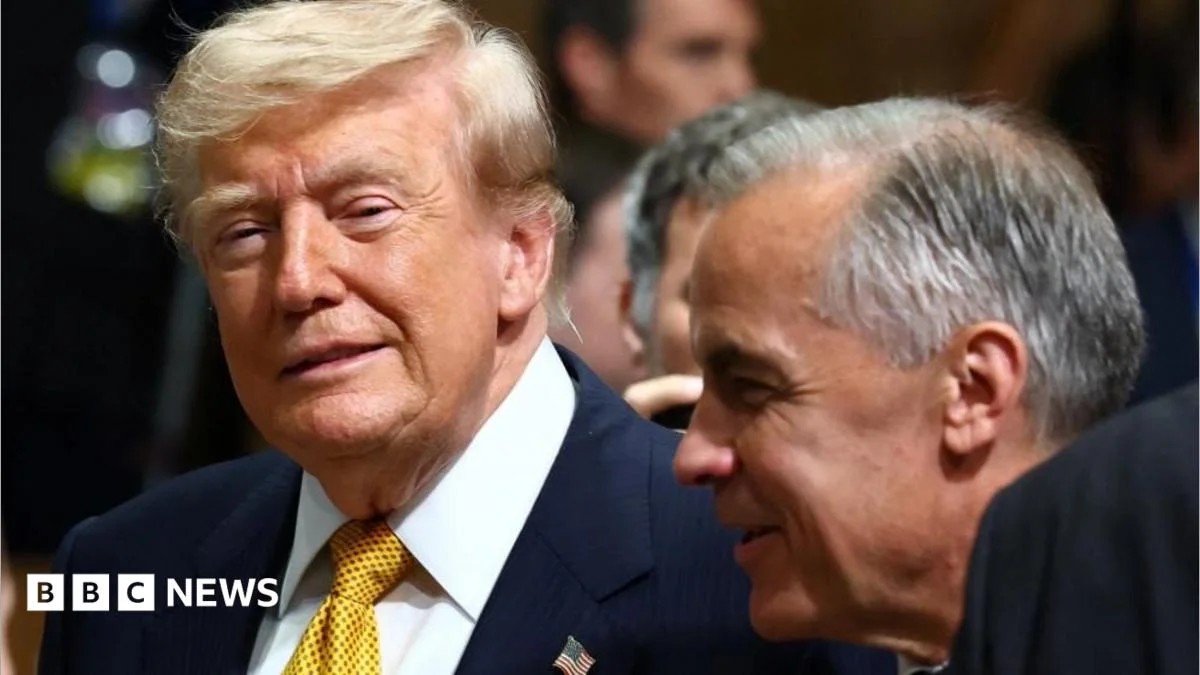
External pressures are mounting as Donald Trump announced a massive 50% tariff on Canadian imports, sending shockwaves through global trade networks. Mark Carney, Canada’s key economic figure, is reportedly looking at "all options" to respond. While Canada seems far from Tehran, the ripple effects on the US Dollar Index (DXY) and global risk appetite are immediate. When the world's largest economies engage in protectionist warfare, emerging and sanctioned markets like Iran often feel the squeeze through increased import costs and heightened volatility in the global commodities they rely on.
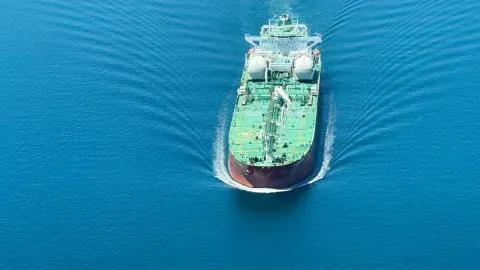
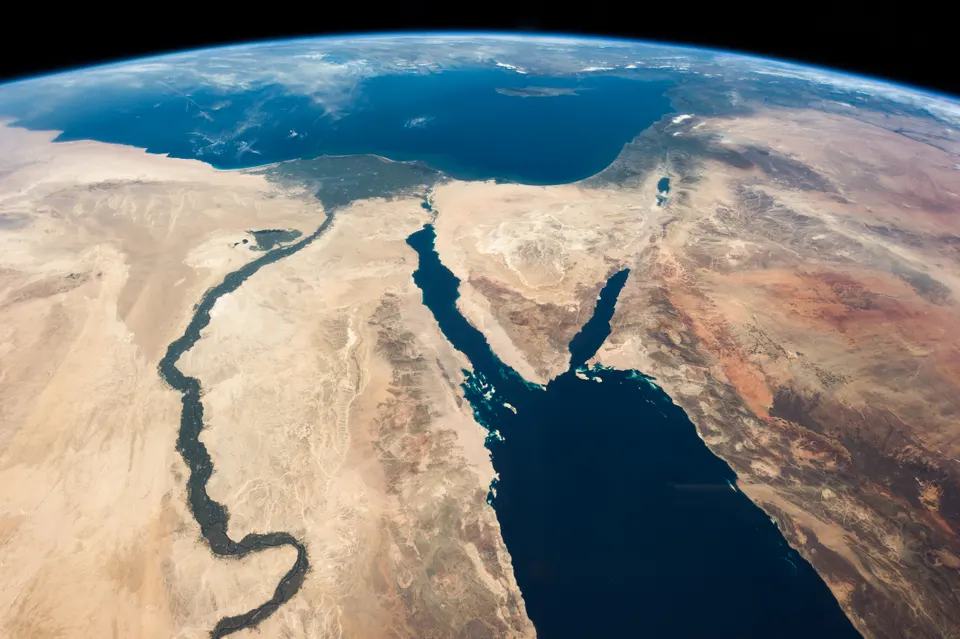
Simultaneously, the energy market is facing a renewed threat. The Houthis have escalated their rhetoric, threatening to attack tankers using Saudi Arabian ports on the Red Sea. This comes as a direct challenge to Saudi oil exports that had previously remained somewhat insulated. Market analysts warn of a "Wall Street trap" where oil prices might fluctuate or even fall due to global slowdowns, yet gasoline and consumer energy prices remain high due to supply chain disruptions and financial speculation. For Iran, this regional instability is a double-edged sword: while it may theoretically support oil prices, the increased cost of shipping and the threat of further sanctions-related blockades outweigh any marginal revenue gains.
Security Claims and the Crypto Hedge
On the diplomatic front, Iranian state media (IRNA) reported that Interior Minister Eskandar Momeni met with Pakistan’s Army Chief Field Marshal Asim Munir to discuss "regional security." These official claims of cooperation often surface during times of heightened domestic pressure, though their impact on market sentiment remains minimal compared to the reality of the "security gap" mentioned by top diplomats regarding recent strikes. Investors are looking past the rhetoric toward more tangible hedges, specifically in the cryptocurrency space.
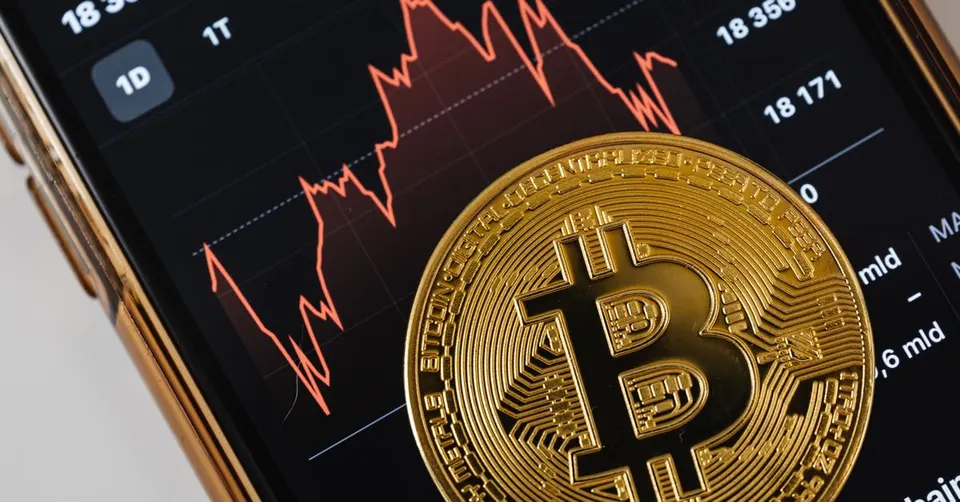
Bitcoin has found a floor around $66,383, buoyed by news that the White House has agreed to ethics provisions in a major market structure bill. This institutional progress in the US provides a layer of legitimacy that keeps Bitcoin attractive to Iranian users looking to bypass traditional banking failures. Meanwhile, in the tech sector, Google’s release of new Gemini models—3.6 Flash and 3.5 Flash-Lite—highlights the accelerating AI arms race. While these tools offer efficiency for tech-savvy businesses, the broader Iranian economy remains hamstrung by infrastructure limits and censorship, widening the gap between the local tech scene and global standards.
Practical Takeaway
With the USD hitting 190,000, the psychological floor has shifted. Expect volatility to remain high as the Red Sea crisis develops. For those holding Toman, the 1.5% daily jump in gold suggests that the market is prioritizing physical assets over liquid currency. Keep a close eye on the $66,000 level for Bitcoin; if it holds, it remains the most liquid international hedge available to local traders.
Watch
Trump slaps 50% tariffs on Canada and Carney vows to 'intensify' trade talks | BBC News
BBC News
Frequently Asked Questions
Why did the USD reach 190,000 Toman today?
Is the gold price increase solely due to the Toman's devaluation?
How do Trump's Canada tariffs affect the Iranian market?
What is the 'Wall Street trap' mentioned regarding oil prices?
Understanding Geopolitical Risk and Its Economic Ripples
Geopolitical risk refers to the potential for political events, conflicts, or instability between nations to significantly impact global economic activity and financial markets. These risks can manifest in various forms, from trade disputes and sanctions to regional conflicts and disruptions of critical supply routes. Such events introduce uncertainty, raise costs, and can deter investment, ultimately affecting everything from commodity prices and inflation rates to currency valuations and overall economic growth.
One common manifestation of geopolitical risk is a "trade war," like the one mentioned between the US and Canada involving tariffs. Tariffs are taxes imposed on imported goods, often used as a tool of economic leverage or retaliation. While intended to protect domestic industries, they disrupt global supply chains, increase manufacturing costs for businesses, and raise prices for consumers. This economic friction can reduce trade volumes, slow economic growth in affected countries, and lead to currency depreciation as investor confidence wanes and capital seeks safer havens.
Another critical form of geopolitical risk, highlighted by the Red Sea blockades, involves disruptions to vital shipping lanes. These blockades force vessels to take longer, more expensive routes, leading to higher shipping costs, increased insurance premiums, and significant delays in the delivery of goods. The ripple effects include supply shortages, inflationary pressures as goods become scarcer and more expensive, and a slowdown in global trade. Such disruptions underscore the fragility of interconnected global supply chains and their vulnerability to regional conflicts.
When multiple geopolitical risks converge, as suggested by the headline's mention of both trade wars and shipping crises, their combined effect can be substantial. For a currency like the Toman, external shocks from global trade disruptions and heightened geopolitical tensions, coupled with domestic economic factors, can exacerbate depreciation. Investors often react to such uncertainty by seeking stability, pushing up demand for traditional safe-haven assets like gold, or even alternative digital assets like Bitcoin, as a hedge against currency devaluation and market volatility. Understanding these interconnected risks is crucial for comprehending the complex forces that shape global economic stability.