Toman Pierces 190,000 Barrier as Tehran Issues Hormuz Threat Amid Trump-Saudi Nuclear Pivot
عبور دلار از مرز ۱۹۰ هزار تومان؛ تهدید هرمز و چرخش هستهای ترامپ به سمت ریاض بازار را تکان داد
The Iranian Toman has climbed to 190,800 as geopolitical tensions flare. From threats to block the Strait of Hormuz to new nuclear developments in Saudi Arabia, the market is pricing in a high-stakes summer of regional volatility.
At time of publishing
USD
190,800
Toman
Gold 18K
18.34M
Toman / gram
Bitcoin
$63,713
US Dollar
Tether
191,190
Toman
The Toman Breaks the 190,000 Psychological Barrier
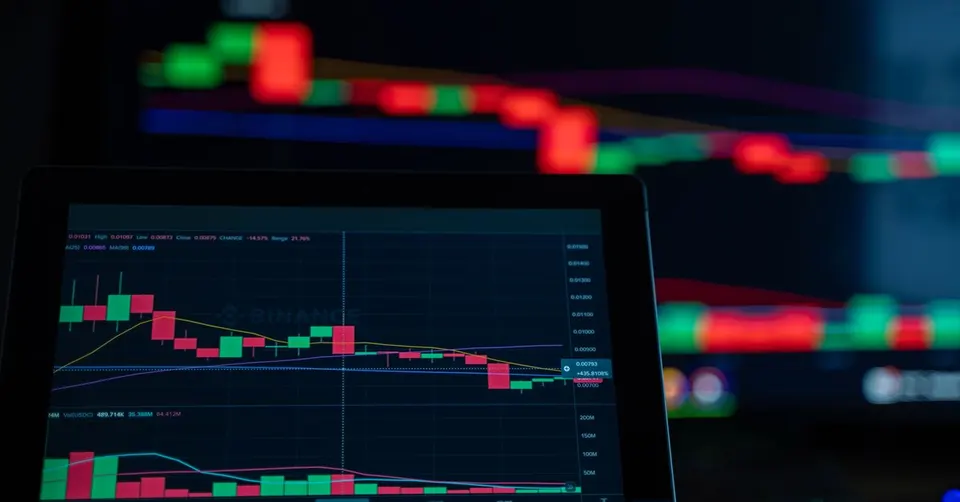
The Iranian Toman didn't just drift today; it surged past a critical psychological threshold. In the last 24 hours, the USD moved from 188,800 to 190,800, marking a 1.1% increase. For everyday Iranians, this isn't just a number on a screen; it represents the further erosion of purchasing power and a signal that the market is bracing for a period of heightened external pressure. The move comes as diplomatic channels appear to be hardening, with the 'Trump factor' once again dominating the narrative of Iranian economic stability.
While the currency climbed, gold followed a similar upward trajectory, though with more caution. Gold 18k/gram rose from 18,214,137 to 18,336,488 (+0.7%). Interestingly, the Emami coin saw a slight correction, moving from 185,500,000 to 184,000,000 (-0.8%). This divergence suggests that while the demand for the 'paper' dollar and raw gold is high, the premium on minted coins might be cooling off after a period of intense speculation. Investors are clearly looking for liquidity over collectibles as the geopolitical horizon darkens.
The Hormuz Gambit and Frozen Assets
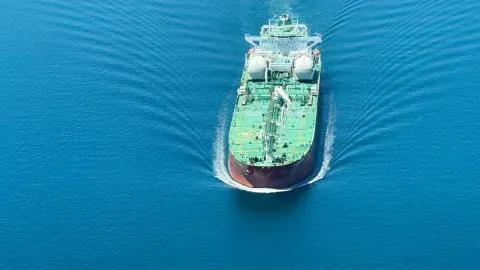
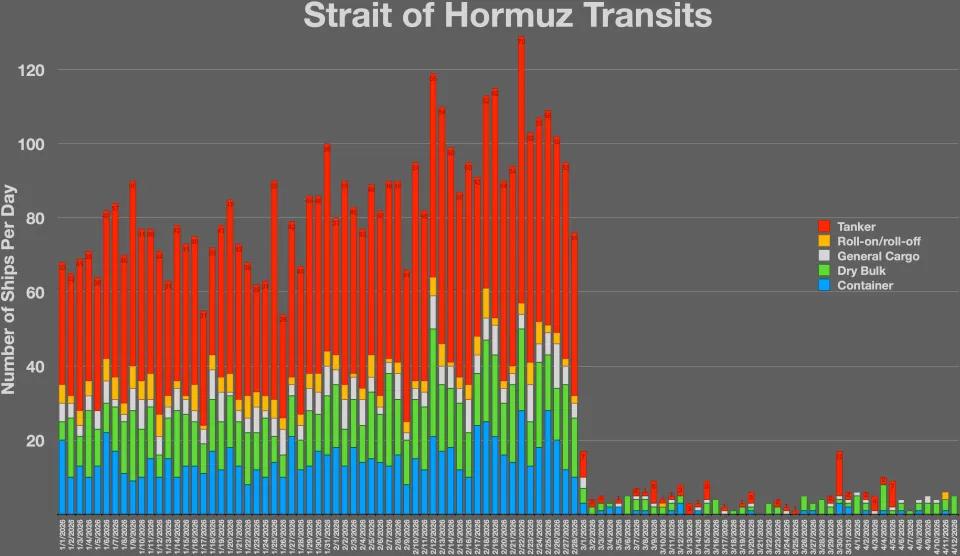
The most immediate catalyst for today's volatility is the escalating rhetoric regarding the Strait of Hormuz. An Iranian military spokesperson issued a stern warning today, claiming that any company or country that receives payments from Iran’s frozen assets under a plan proposed by Donald Trump would be barred from transiting the world's most vital oil chokepoint. While the Iranian government has a long history of using the Strait as a rhetorical weapon, the market treats these claims as a material risk to global oil supply and regional stability.
This threat is a direct response to the US administration's attempts to leverage Iranian funds held abroad. For the average reader, this means that the 'shadow war' is moving into a phase of direct economic blackmail. If the Strait were to be even partially obstructed, the resulting spike in global oil prices would likely be accompanied by a massive devaluation of the Toman as domestic inflation expectations skyrocket. The market is currently 'pricing in' the possibility that this is more than just a verbal threat, especially given the recent drone activities in the region.
The Bigger Picture: From Washington Memorials to Saudi Nuclear Ambitions
Context matters, and today’s global news provides a grim backdrop for the Iranian economy. In Washington, the memorial for Senator Lindsey Graham served as a reminder of the enduring hawkishness in US foreign policy. Graham was a key architect of the 'maximum pressure' philosophy, and his legacy continues to shape the current administration's stance toward Tehran. This political climate ensures that sanctions relief remains a distant dream, keeping the Toman on a permanent defensive footing.
Simultaneously, reports have emerged suggesting that Donald Trump has 'fast-tracked' Saudi Arabia’s path to nuclear capabilities. This is a seismic shift in regional power dynamics. For Iran, a nuclear-armed or nuclear-capable Saudi Arabia means increased military competition and a likely escalation in the regional arms race. This geopolitical pivot away from traditional non-proliferation norms adds another layer of risk for Iranian investors, who are increasingly looking toward Bitcoin (currently at $63,713) and Tether (191,190 Toman) as safe havens that exist outside the reach of regional state-on-state conflict.

Practical Takeaway for the Iranian Investor
With the USD now firmly above the 190,000 Toman mark, the strategy for the coming week should be one of defensive diversification. The 1.1% jump in the dollar suggests that the 'floor' has moved up. While the Emami coin saw a minor dip, the rise in 18k gold indicates that the fundamental value of precious metals is still climbing. If you are holding Toman, the window for moving into hard assets or stablecoins like USDT is narrowing as the 'Hormuz risk' remains unresolved.
Keep a close eye on the news coming out of the West Bank and the broader Levant. Hamas's warnings about Israeli plans in the West Bank suggest that the regional conflict is far from a ceasefire. In such times, liquidity is king. Having a portion of your portfolio in digital assets provides the mobility that physical gold or real estate cannot offer if regional tensions translate into actual supply chain disruptions. Tomorrow’s session will be critical: if the USD holds above 191,000, we may be entering a new era of triple-digit currency norms.
Frequently Asked Questions
Why did the USD/IRR price jump 1.1% in 24 hours?
Is the drop in Emami coin price a sign of a market crash?
What does the Saudi nuclear 'fast track' mean for Iran?
How should I hedge against the 'Hormuz risk'?
The Geopolitical Significance of the Strait of Hormuz
The Strait of Hormuz, a narrow waterway connecting the Persian Gulf to the Gulf of Oman and the Arabian Sea, stands as one of the world's most critical maritime chokepoints. At its narrowest point, it is only 21 miles (33 km) wide, yet it serves as the sole sea passage for a substantial portion of the world's oil and liquefied natural gas (LNG) exports. Its strategic location makes it indispensable for global energy markets, directly impacting international trade and geopolitical stability.
Economically, the Strait's importance cannot be overstated. Roughly one-fifth of the world's total petroleum liquids consumption and about one-third of the world's LNG trade transit through this passage daily. This includes oil from major producers like Saudi Arabia, Iran, Iraq, Kuwait, Qatar, and the UAE. Any disruption to traffic in the Strait, whether due to military conflict, political tensions, or blockades, has immediate and profound implications for global energy prices and supply chains, potentially triggering economic crises worldwide.
Geopolitically, the Strait of Hormuz is a recurring flashpoint, particularly between Iran and Western powers, as well as regional rivals. Iran, with its southern coastline bordering the Strait, has historically asserted its ability to control or disrupt traffic through the waterway in response to sanctions or perceived threats. Such threats often escalate tensions, leading to increased naval presence from international forces aiming to ensure freedom of navigation and protect vital shipping lanes.
The interplay of economic dependence on the Strait and the volatile geopolitical landscape of the Middle East means that any development, such as new nuclear deals or regional conflicts, can quickly reverberate through this vital artery. Understanding the Strait of Hormuz is crucial for comprehending global energy security, international relations, and the intricate balance of power in one of the world's most strategic regions.