War Premiums Ignite Tehran: Gold Surges 2.5% as Joint US-Saudi Strikes Hit Regional Proxies
شعلهور شدن حق بیمه جنگ در تهران: جهش ۲.۵ درصدی طلا در پی حملات مشترک آمریکا و عربستان
Tehran's markets closed Wednesday with a sharp spike in gold and currency prices following reports of joint US-Saudi airstrikes in Iraq. As regional tensions reach a boiling point, the 'fear premium' has pushed 18k gold up by 2.5%, significantly outpacing the dollar's gain.
At time of publishing
USD
193,800
Toman
Gold 18K
18.79M
Toman / gram
Bitcoin
$63,699
US Dollar
Tether
194,600
Toman
The Fear Premium Takes Center Stage
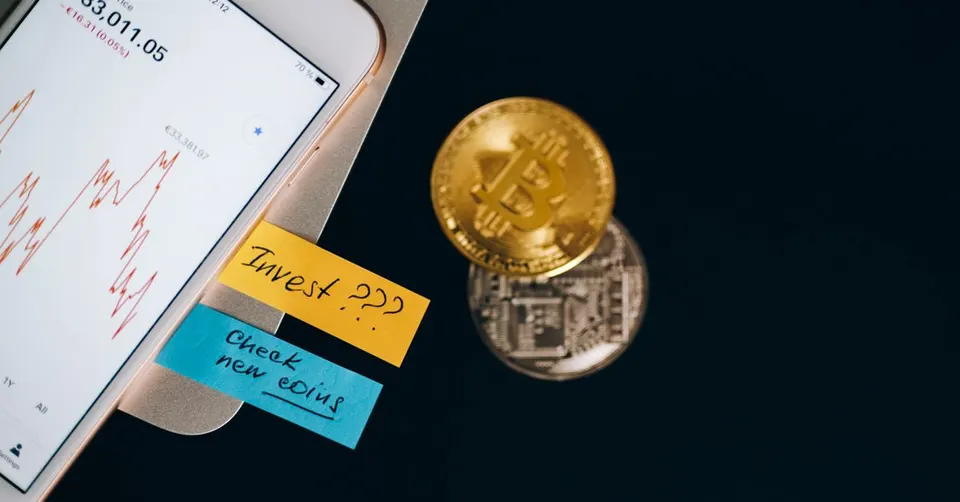
Tehran’s financial markets didn’t just react to the news today; they buckled under the weight of a rapidly escalating regional conflict. By the 21:00 close, the currency market saw the USD move from 191,200 to 193,800 Toman, marking a 1.4% increase. However, the real story was in the gold sector, where 18k gold per gram surged from 18,336,488 to 18,791,264 Toman (+2.5%). This disconnect—where gold outpaces the dollar—is a classic signal of a 'war premium' being priced in by local investors who are rushing toward the most liquid and historically stable hedge available during times of kinetic military action.
For the average Iranian household, this volatility isn't just a number on a screen; it represents a direct hit to purchasing power in real-time. When gold moves this aggressively in a single session, it reflects a deep-seated anxiety about what the morning headlines might bring. The Emami coin also mirrored this panic, jumping from 184,000,000 to 188,500,000 Toman (+2.4%), as buyers ignored traditional valuation metrics in favor of securing hard assets before any potential further escalation overnight.
Why the Market is Panicking: The Iraq Factor
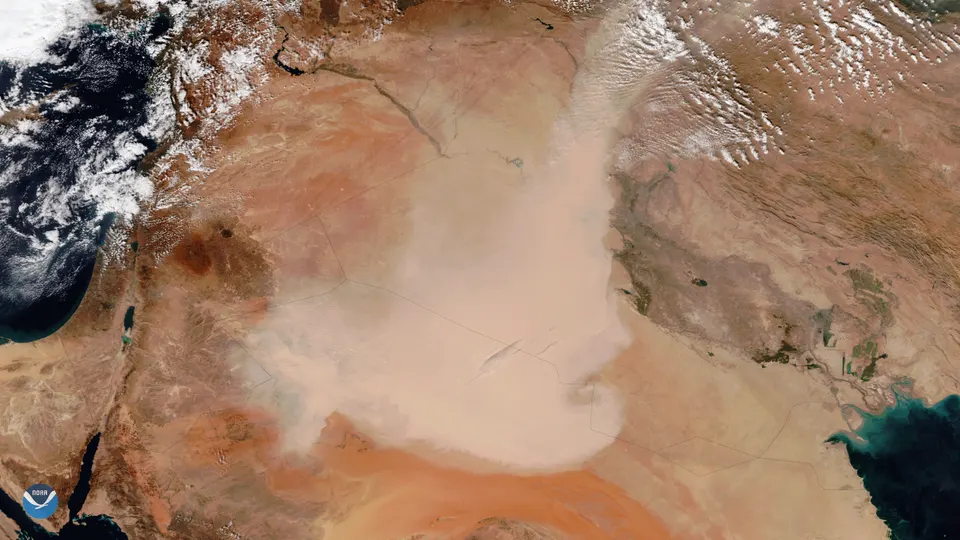
The catalyst for today’s market turbulence was a dramatic escalation in the regional shadow war. The United States and Saudi Arabia confirmed they carried out joint airstrikes against Iran-backed militias in Iraq, while Iran reportedly targeted U.S. military sites in Jordan. These strikes are particularly significant because they involve Saudi Arabia directly in kinetic operations against Iraqi militias, a move that complicates the regional security architecture and suggests a unified front that markets had not fully priced in. Reports indicate that at least 20 fighters from the Popular Mobilization Forces (PMF) were killed in these waves of strikes.
This isn't just another exchange of fire; it is a expansion of the conflict theater that now engulfs more countries and threatens critical trade and energy corridors. The involvement of Saudi forces alongside the U.S. sends a strong signal to Tehran about the shifting alliances in the region. As the Iranian government remains silent on the full extent of the damage or its planned response, the market is filling that information vacuum with worst-case scenarios, leading to the aggressive bid for USD and gold we witnessed in the late session.
The Global Backdrop: Oil Spikes and Cultural Shifts
While Tehran burns with local anxiety, the global stage is providing no relief. Oil prices surged by 8% today as the risk of a broader Middle East war threatens to disrupt supply chains. This global energy shock is happening even as new players like Guyana emerge as major oil exporters, pumping nearly one million barrels per day. While Guyana’s boom is essential for long-term global energy security, it does little to soothe the immediate panic in the Persian Gulf. Meanwhile, even the cultural world is reflecting this theme of regional fragmentation; the South Korean group BTS announced a boycott of the Grammy Awards after the introduction of a separate 'Asian Pop' category, highlighting a broader global trend of moving away from unified international standards toward regionalized identities.
For Iranians, the practical takeaway is clear: the current market is driven by geopolitical headlines rather than economic fundamentals. With Bitcoin wedged between an upcoming Fed decision and the war-induced oil spike, and the dollar’s global rally doing little to curb inflation elsewhere, the local Toman remains highly vulnerable. Tomorrow’s opening session will be entirely dependent on whether the overnight hours bring a diplomatic de-escalation or a retaliatory strike. Investors should remain cautious and avoid 'FOMO' buying at these local peaks unless they have a very long-term horizon.

Frequently Asked Questions
Why did gold rise faster than the dollar in Tehran today?
How do the US-Saudi strikes in Iraq affect the Iranian economy?
Is the 8% jump in global oil prices good for Iran?
Should I buy gold at these record high prices?
Safe-Haven Assets: Gold's Role in Times of Geopolitical Turmoil
Geopolitical conflicts, such as the "US-Saudi strikes" and "Iran regional conflict" mentioned in the keywords, often trigger significant shifts in global financial markets. One crucial concept that helps explain the "gold surge" and "war premiums" is the idea of Safe-Haven Assets. These are investments that are expected to retain or even increase in value during periods of market turbulence, economic uncertainty, or political instability. Investors flock to them as a refuge for their capital when traditional riskier assets like stocks or some currencies become volatile or face potential devaluation.
Among safe-haven assets, gold holds a preeminent position. For centuries, it has been regarded as a store of value, largely immune to the inflationary pressures or political whims that can erode fiat currencies. Its intrinsic value, global liquidity, and lack of reliance on any single government or institution make it a universal symbol of wealth and stability. When tensions escalate in regions like the Middle East, the perceived risk of broader conflict or economic disruption rises, leading investors to seek the perceived safety of gold, thus driving up its price—a phenomenon often termed a "war premium."
The mechanics are straightforward: as geopolitical risks intensify, investors become risk-averse. They sell off assets perceived as vulnerable to the conflict's fallout, such as equities in affected regions or currencies of unstable economies. The capital from these sales then flows into safe havens. This increased demand for gold, both internationally and locally (as seen with the "Emami coin price Toman" and "Tehran gold price surge"), directly translates into higher prices. This movement reflects a collective flight to quality, where the preservation of capital takes precedence over seeking high returns, highlighting gold's enduring appeal in uncertain times.