War Fever Breaks in Tehran: USD and Gold Slump as Trump Signals 'Rapid Deal' and Global Markets Pivot
تب جنگ در بازار تهران فروکش کرد؛ سقوط قیمت دلار و طلا در پی سیگنالهای توافق سریع ترامپ
Tehran’s markets saw a sharp correction tonight as war anxieties eased, with USD dropping 1.5% and gold falling 2.3% following reports of a potential 'Rapid Deal.' As global energy risks persist, we analyze what this de-escalation means for your savings.
At time of publishing
USD
191,400
Toman
Gold 18K
18.31M
Toman / gram
Bitcoin
$63,216
US Dollar
Tether
192,500
Toman
The Great De-escalation Trade
The Tehran markets, which only days ago were vibrating with the anxiety of potential strikes, have entered a period of sharp correction. The US Dollar, which stood at 194,400 Toman just twenty-four hours ago, has retreated to 191,400 Toman, a decline of 1.5%. This shift isn't just a random fluctuation; it represents a collective sigh of relief from a market that was pricing in the worst-case scenario. When the 'war premium' evaporates, we see exactly this kind of rapid deleveraging. For the average Iranian household, this volatility is a double-edged sword—offering a brief respite from the cost-of-living climb while simultaneously punishing those who panic-bought assets at the peak of the tension.
Gold, the traditional sanctuary for Iranian wealth during times of upheaval, took an even harder hit than the currency. 18-karat gold fell from 18,733,551 to 18,308,786 Toman per gram, a significant 2.3% drop that has left many late-entry buyers in the red. Emami coins followed suit, sliding from 188,000,000 to 184,000,000 Toman (-2.1%). This correction is a stark reminder that in the Iranian economy, geopolitical rumors are the primary currency. The market is currently betting that the immediate threat of a major regional conflict has passed, at least for this cycle.

Global Inflation and the Energy Shadow
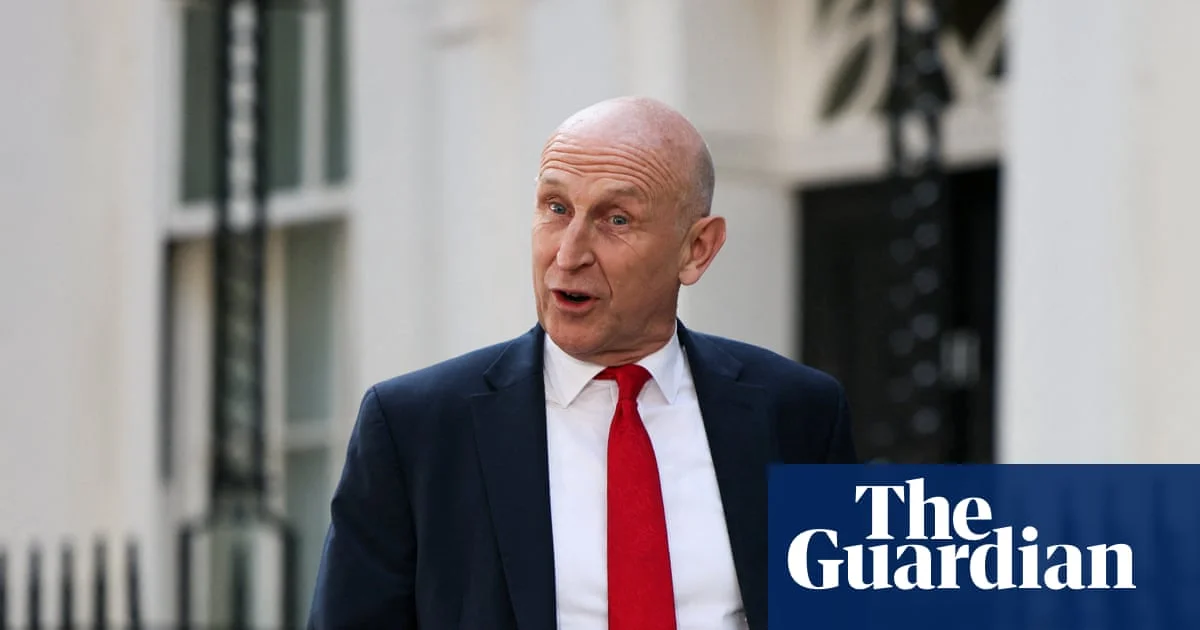
While Tehran watches the dollar, the rest of the world is grappling with the inflationary fallout of the ongoing regional tensions. In the United Kingdom, Chancellor John Healey has issued a stern warning to retailers against 'price gouging' at the fuel pumps and grocery tills as the conflict continues to ripple through global prices. This matters to Iranians because it highlights that the economic pain of Middle Eastern instability is global. When the UK government starts threatening retailers over food and fuel prices, it signals that the global supply chain is still extremely fragile. This fragility keeps the floor under oil prices, which in turn provides the Iranian government with the hard currency it needs to survive, even if that wealth rarely trickles down to the average citizen.
Furthermore, the energy landscape remains volatile as Ukraine reports hits on major Russian oil refineries and airfields. This escalation in Eastern Europe, combined with the Middle Eastern standoff, creates a complex environment for energy prices. For the Iranian reader, this means that even if a 'Rapid Deal' is reached with Washington, the global inflationary pressure on imported goods is unlikely to vanish overnight. The Toman may strengthen temporarily on news of a deal, but the underlying global costs of transportation and production remain elevated, keeping domestic inflation sticky.

The 'Rapid Deal' Mirage or Reality?
The most significant driver of today's market cool-down is the sudden shift in rhetoric from Washington. Donald Trump’s pivot toward a 'Rapid Deal' has fundamentally altered the risk assessment for traders in the Ferdowsi area. This sentiment was bolstered by reports of Saudi Crown Prince Mohammed bin Salman urging a priority on dialogue. For the Iranian public, this is a familiar cycle of 'maximum pressure' followed by a 'grand bargain' tease. However, the market reaction suggests that traders are weary of war and are desperate for any excuse to sell off their high-priced hedge positions. Whether this deal materializes or is simply another tactical pause remains to be seen, but for now, the immediate threat of kinetic conflict has been priced out.
It is also worth noting the broader market context: Berkshire Hathaway’s massive stake in Alphabet and the looming tech earnings like AMD suggest that global capital is looking for stability and growth in the US, despite the geopolitical noise. For Iranians, this emphasizes the importance of diversification. While domestic assets like gold and the Toman react to local headlines, the global tech and crypto sectors move on different fundamentals. Bitcoin remains relatively stable at $63,216, acting as a neutral ground while traditional Iranian assets undergo a violent correction. The takeaway for the night is clear: the war fever has broken, but the structural economic challenges remain as stubborn as ever.

Frequently Asked Questions
Why did gold drop more than the dollar in Tehran today?
What is the 'Rapid Deal' mentioned by Donald Trump?
How do UK food prices affect the Iranian Toman?
Is the current drop in USD a long-term trend?
Understanding Exchange Rate Regimes and Currency Depreciation
Exchange rates are the price of one currency expressed in terms of another, and they are a cornerstone of international trade and finance. Countries can adopt different exchange‑rate regimes – from fully floating rates, where market forces alone set the price, to tightly managed or fixed regimes, where the government or central bank intervenes to keep the domestic currency at a predetermined level against a foreign anchor such as the US dollar. The choice of regime reflects a trade‑off between stability (helpful for import‑dependent economies) and flexibility (useful for absorbing external shocks).
When a country’s currency loses value relative to others, economists call this currency depreciation. Depreciation can be voluntary – a deliberate policy move to boost exports by making them cheaper abroad – or involuntary, triggered by dwindling foreign‑exchange reserves, high inflation, or geopolitical uncertainty. In Iran, chronic sanctions, a shrinking oil export basket, and recent political developments have strained the rial’s supply, prompting a sharp slide against the US dollar. This devaluation directly raises the local price of imported goods, including gold, which is often priced in dollars on global markets.
A rapid depreciation also reverberates through domestic financial markets. Investors scramble for assets that preserve value, such as gold or foreign‑denominated securities, driving up their local‑currency prices even as the underlying commodity may be falling in dollar terms. Simultaneously, the government may impose price controls or accuse traders of price gouging, especially when essential items become scarce. While such measures can provide short‑term relief, they often exacerbate shortages and distort market signals, making the correction process more painful.
Understanding these mechanisms helps explain why headlines about a “USD and gold slump” in Tehran can coexist with a falling rial. A weaker rial makes gold cheaper in local currency terms, yet global gold price dynamics and investor sentiment can still push the market in the opposite direction. Policymakers therefore face a delicate balancing act: stabilising the exchange rate enough to curb inflation without choking the economy’s ability to adjust to external shocks.
For anyone watching emerging‑market currencies, the Iranian case underscores the importance of monitoring exchange‑rate regimes, reserve levels, and geopolitical risk – all of which can trigger swift and sometimes volatile market corrections.