Tehran’s Security Shuffle: Why New Commanders and a Hormuz Standoff are Keeping the Toman on Edge
تغییر در هرم قدرت امنیتی؛ چرا جابجایی فرماندهان و بحران هرمز بازار ارز را در بیم و امید نگه داشته است؟
Tehran executed a major security leadership swap today as the Strait of Hormuz remains a global oil flashpoint. Despite a marginal 0.1% dip in the US Dollar, the appointment of hardline veterans suggests a volatile road ahead for Iranian markets.
At time of publishing
USD
185,500
Toman
Gold 18K
18.79M
Toman / gram
Bitcoin
$63,879
US Dollar
Tether
185,993
Toman
The Security Shake-up in Tehran
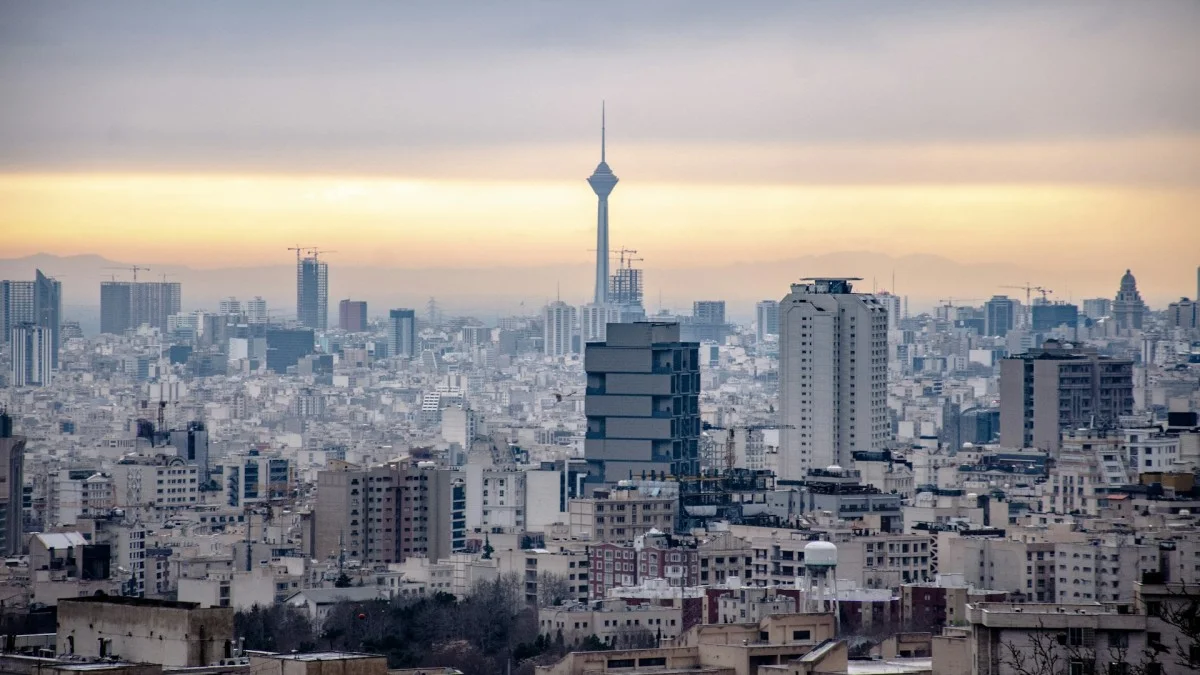
In a move that caught many market observers off guard, the Iranian leadership has executed a significant reshuffle of its security apparatus. According to state-run media outlets like IRNA, Supreme Leader Mojtaba Khamenei has appointed Mohsen Rezaei as the new Secretary of the Supreme National Security Council (SNSC), replacing Mohammad Baqer Zolqadr. This transition occurred just days after a series of hardline ultimatums regarding the Strait of Hormuz. While the government officially frames these changes as a strategic realignment for 'unity and cohesion,' the timing suggests a deeper reaction to the ongoing maritime standoff that has gripped global energy markets.
Simultaneously, the leadership promoted Brigadier General Ahmad Vahidi to Commander-in-Chief of the Islamic Revolution Guards Corps (IRGC), elevating him to the rank of Major General. For the average Iranian citizen, these appointments are rarely just bureaucratic; they are signals of the state’s intended posture toward the West and the regional economy. When the security council and the IRGC see leadership changes during a period of high tension, the market typically reacts with caution. Today, the USD moved from 185,700 to 185,500 Toman, a slight -0.1% decrease, which suggests the market is currently in a 'wait-and-see' mode rather than a panic sell-off.
The Hormuz Bottleneck and Global Oil
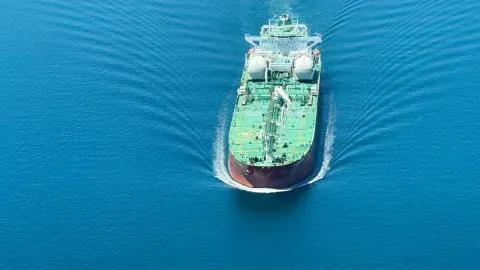
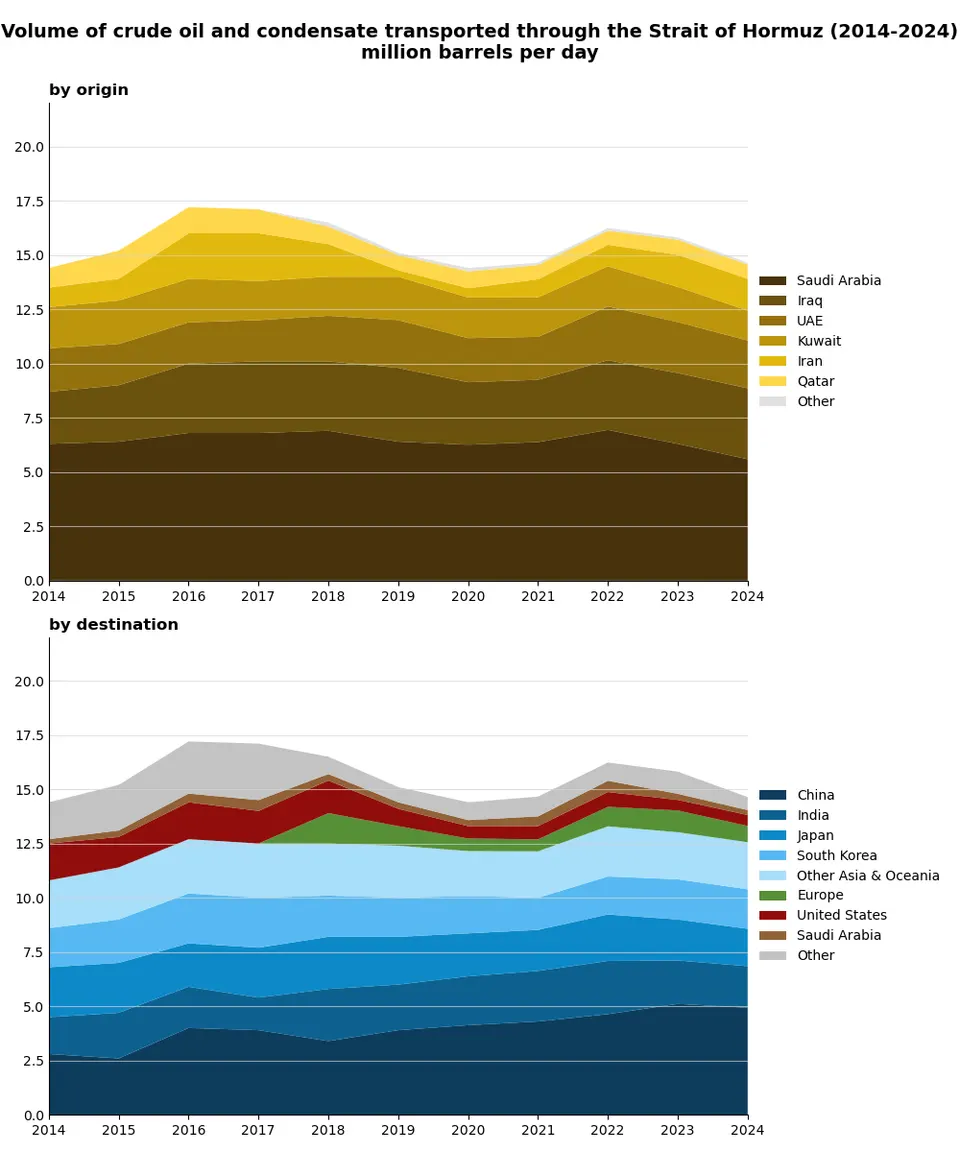
While Tehran rearranges its board, the international community is sounding alarms over the Strait of Hormuz. Bank of America (BofA) issued a stark warning today, stating that the region would essentially need ten times the current number of available ships to stabilize oil markets if an agreement to fully reopen the route isn't reached soon. BofA’s head of commodities, Francisco Blanch, noted that Brent crude could continue its upward trajectory into the winter, driven by severe shortages in diesel and gasoline. This global pressure directly impacts the Toman, as any spike in global oil prices often correlates with increased regional tension, which in turn drives Iranians toward the safety of hard currency and gold.
Bitcoin and other crypto assets have also felt the ripple effects of this uncertainty. Bitcoin's price slipped today, wiping out weekend gains as oil prices surged 5% following news that hopes for a quick reopening of the Hormuz route were deflated by Iranian officials. In Tehran, the Tether (USDT) price remains at a premium relative to the physical dollar, sitting at 185,993 Toman. This premium reflects the high demand for digital liquidity among Iranians who fear that physical currency markets might be subject to tighter controls or sudden shocks if the maritime standoff escalates into a direct confrontation.
The Global Contrast: AI Ventures and Soft Power
In a stark contrast to the regional focus on security and blockades, the global market is pouring capital into the future of technology. Nvidia and several Wall Street firms have reportedly partnered on a massive $500 billion AI financing venture. This move highlights the massive divergence between the 'old economy' of oil routes and the 'new economy' of artificial intelligence. While Iranian investors are forced to hedge against geopolitical risk, the rest of the world is betting on a technological boom. Even in the realm of soft power, the contrast is visible; former US President Barack Obama launched a new podcast on Audible today, focusing on literature and worldview, a reminder of the cultural influence that continues to shape global narratives while Iran remains largely isolated from these financial and cultural flows.
For the local investor, the takeaway is clear: the current stability in the Toman is fragile. The Emami coin fell from 187,000,000 to 186,500,000 Toman (-0.3%), mirroring the slight dip in the dollar, but Gold 18k managed a small gain, rising from 18,763,562 to 18,791,264 Toman (+0.1%). This divergence suggests that while the currency market is stagnant, there is still underlying demand for gold as a hedge against the potential for a sudden policy shift from the newly appointed security chiefs. Tomorrow's session will likely be dictated by whether these new commanders issue fresh rhetoric regarding the Strait or if a diplomatic backchannel begins to emerge.

Frequently Asked Questions
Why did the Iranian government replace the head of the SNSC now?
How did the USD/IRR react to the appointment of new IRGC and SNSC chiefs?
What does the BofA report mean for the Iranian economy?
Is gold a safer bet than the Dollar right now in Tehran?
Geopolitical Risk and Currency Depreciation
Geopolitical risk refers to the potential for political instability, international tensions, or conflicts to disrupt financial markets and economic activity. These risks can manifest in various forms, from leadership changes and policy shifts within a nation to regional conflicts and global trade disputes. For economies deeply integrated into the global system, or those reliant on specific strategic resources, geopolitical events can trigger significant market reactions, often leading to increased volatility and uncertainty. Investors, both domestic and international, tend to react to such risks by seeking safer assets or withdrawing capital from perceived high-risk regions.
One of the most immediate and visible impacts of heightened geopolitical risk is on a nation's currency. When political tensions escalate, or when there's uncertainty about a country's future stability, the demand for its currency typically falls. This is because investors fear that their assets might lose value due to economic sanctions, capital controls, or general economic decline. This reduced demand, coupled with potential capital flight, leads to currency depreciation – meaning the currency loses value relative to other major currencies like the U.S. dollar.
For a country like Iran, which faces ongoing international sanctions and is strategically vital due to its control over the Strait of Hormuz, geopolitical risks are particularly potent. Any perceived increase in tensions in the Strait, a critical chokepoint for global oil shipments, or significant internal security reshuffles, can signal heightened instability. Such events directly influence investor confidence and expectations about the country's economic future, putting immense pressure on the Iranian Rial (Toman) and contributing to its depreciation.
The depreciation of a national currency has severe economic consequences. It makes imports more expensive, fueling inflation and eroding the purchasing power of citizens. Businesses struggle with higher costs for raw materials and machinery, while consumers find their savings diminished. Ultimately, persistent currency depreciation due to geopolitical factors can destabilize an economy, reduce living standards, and complicate efforts to achieve long-term economic growth and stability.