Toman Under Pressure: Gold Surges 2.3% as Hormuz Peace Hopes Fade Ahead of US CPI
فشار مضاعف بر تومان؛ جهش ۲.۳ درصدی طلا در پی ناامیدی از گشایش در هرمز
The Iranian Toman slipped 1.4% against the dollar today as regional tensions persisted and global gold prices neared two-month highs. Investors are flocking to hard assets ahead of a critical US inflation report that could redefine market risk for the rest of August.
At time of publishing
USD
187,800
Toman
Gold 18K
19.23M
Toman / gram
Bitcoin
$63,511
US Dollar
Tether
187,807
Toman
The Domestic Squeeze: Toman Retreats as Gold Rallies
The Iranian market closed Tuesday’s night session on a decidedly defensive note. The US Dollar moved from 185,200 to 187,800 Toman, marking a 1.4% depreciation for the local currency in just twenty-four hours. This movement reflects a growing sense of fatigue among traders who had pinned their hopes on a diplomatic breakthrough regarding the Strait of Hormuz. Instead, the lack of concrete progress has sent capital scurrying back into the safety of hard currency and precious metals. Gold 18k/gram witnessed an even more aggressive climb, rising from 18,791,264 to 19,229,881 Toman, a significant 2.3% jump that highlights the domestic anxiety over purchasing power.
This surge in gold isn't just a local phenomenon, but the local premium is widening. The Emami coin also rose from 186,500,000 to 189,500,000 Toman (+1.6%), suggesting that even at these historic highs, the appetite for physical hedging remains unsatisfied. For the average Iranian, this translates to a rapidly shifting floor for the cost of living. When gold moves faster than the dollar, it usually signals that the market is pricing in not just currency devaluation, but broader systemic risk and the possibility of renewed supply chain disruptions in the Persian Gulf.
Global Macro Context: The CPI Shadow and Geopolitical Thaws
Beyond Iran's borders, the global stage is dominated by the anticipation of Wednesday's US Consumer Price Index (CPI) report. Global gold prices are currently hovering near $4,377.70 per ounce, nearing a two-month high as traders bet that a cooling US economy might force the Federal Reserve to reconsider its hawkish stance. However, the energy market remains a wildcard. While Russian crude exports have reportedly dropped to their lowest levels since May due to domestic refinery runs and port disruptions, the potential for a $100 Brent barrel looms if the Strait of Hormuz remains a point of friction. This creates a double-edged sword for the Toman: high oil prices could theoretically help state coffers, but the geopolitical risk associated with those prices drives the open market exchange rate higher.
In a surprising turn of events, Russia released former US Marine Robert Gilman on what President Trump described as a "humanitarian basis." While this move suggests a localized de-escalation between Moscow and Washington, it has done little to soothe the nerves of regional investors in the Middle East. The news of Trump’s own security measures—including reports of him being moved in catering trucks to evade Iranian-linked threats—serves as a stark reminder of the underlying volatility. Markets hate uncertainty, and the current atmosphere is thick with it, keeping the US Dollar firmly above the 187,000 Toman threshold.

The Tech Frontier: Robots and Infrastructure Moves
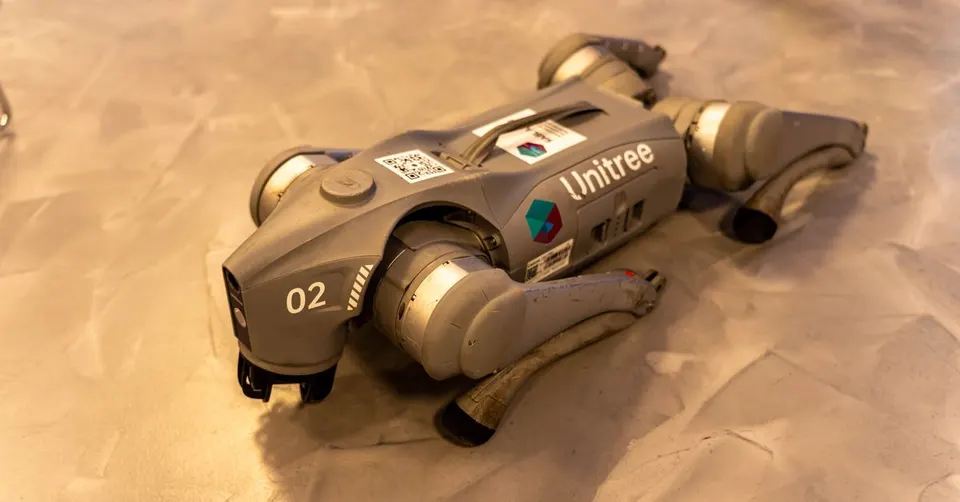
While traditional markets are fixated on inflation and oil, the technology sector is providing a glimpse into where future capital might flow. The upcoming IPO of Chinese humanoid-robot maker Unitree is expected to spark a new frenzy in robotics stocks, signaling that global risk appetite hasn't entirely vanished—it is simply becoming more selective. Additionally, the move by Exclusive-Alpha Compute to acquire $55 million worth of land and gas rights in Pennsylvania for a massive data center campus underscores the relentless demand for AI infrastructure. These developments are crucial for Iranian investors to watch, as they dictate the long-term strength of the US Dollar and the tech-heavy Nasdaq, which often correlates with Bitcoin’s performance.
Bitcoin itself remains relatively stable at $63,511, failing to capitalize on the gold rally. This divergence is notable; while gold is being treated as a pure crisis hedge, crypto is currently behaving more like a high-beta tech asset. For Iranians using USDT as a dollar-proxy, the Tether price in Tehran has mirrored the official sell rate at 187,807 Toman. As we move into Wednesday’s session, the primary focus will be the US CPI data at 16:30 Tehran time. A higher-than-expected inflation reading could strengthen the dollar globally, potentially pushing the Toman toward the psychological 190,000 barrier, while a lower reading might finally give the local currency some breathing room.
Frequently Asked Questions
Why is gold rising faster than the US Dollar in Iran today?
What impact will the US CPI report have on the Toman tomorrow?
How does the release of the US Marine in Russia affect Iranian markets?
Is the Strait of Hormuz situation the main driver of current prices?
Geopolitical Risk and the Flight to Safe-Haven Assets
Geopolitical risk refers to the potential for political events, conflicts, or instability to disrupt global economic and financial systems. Such risks, exemplified by tensions in critical regions like the Strait of Hormuz, introduce profound uncertainty into markets. When the prospect of conflict or significant political upheaval looms, investors and ordinary citizens alike often react by re-evaluating their asset holdings, seeking to protect their wealth from potential depreciation or loss. This re-evaluation often triggers a "flight to safety," where capital moves away from perceived risky assets towards more stable alternatives.
One of the most prominent beneficiaries of this flight to safety is gold, often dubbed a "safe-haven asset." For millennia, gold has been valued for its intrinsic worth and its historical role as a store of value, particularly during times of economic or political turmoil. Unlike fiat currencies, which can be subject to inflation or government policy shifts, gold's supply is finite, and its value is not directly tied to the performance of any single economy or political entity. When geopolitical tensions escalate, as suggested by "Hormuz peace hopes fade," demand for gold typically increases, driving up its price as investors seek refuge from uncertainty.
Conversely, currencies of nations directly impacted by geopolitical instability, or those with underlying economic vulnerabilities, often come under significant pressure. The "Toman Under Pressure" in the headline illustrates this perfectly. Heightened regional tensions, coupled with existing economic challenges and international sanctions, can erode confidence in a local currency. As capital outflows occur and domestic holders seek more stable assets (like gold or foreign currencies), the local currency depreciates, leading to higher import costs and domestic inflation. This creates a vicious cycle where economic instability fuels further demand for safe havens, further weakening the national currency.
The interconnectedness of these factors means that geopolitical events, even those seemingly distant, can have immediate and tangible effects on global markets and individual economies. Understanding this dynamic is crucial for comprehending why assets like gold surge during crises and why currencies in affected regions often face severe depreciation. It highlights how political stability is a fundamental underpinning of economic confidence and financial market equilibrium.