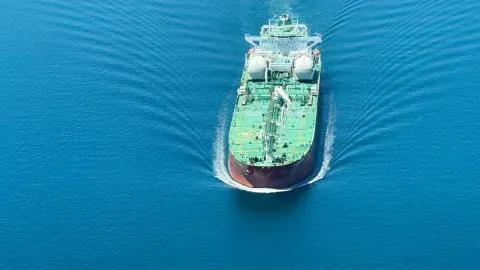
The 187,000 Toman Threshold: Russian Oil Strain and the Divergent Tehran Markets
مرز ۱۸۷ هزار تومانی و فشار نفتی روسیه؛ چرا بازارهای تهران مسیر متفاوتی را در پیش گرفتند؟
As the US Dollar inches toward the 187,000 Toman mark, gold and coins have taken a surprising step back. Meanwhile, global energy data suggests Russia's oil resilience is crumbling, a shift that could rewrite the script for Iran's clandestine trade revenue in the months ahead.
At time of publishing
USD
186,900
Toman
Gold 18K
19.06M
Toman / gram
Bitcoin
$63,010
US Dollar
Tether
186,718
Toman
The Psychological Wall at 187,000
The Saturday night session in Tehran’s informal markets closed with a subtle but telling divergence. The US Dollar moved from 186,700 to 186,900 Toman, a modest 0.1% increase that keeps the currency pinned just below the critical 187,000 psychological threshold. While the move was small, the persistence of the greenback at these heights suggests that traders are pricing in a period of sustained regional uncertainty. However, the real surprise came from the gold sector. Despite the dollar's slight gain, 18k gold fell from 19,130,615 to 19,063,668 Toman per gram (-0.3%), and the Emami coin mirrored this drop, sliding from 189,500,000 to 189,000,000 Toman.
This decoupling of gold from the currency usually signals a temporary exhaustion in local demand or a shift in global sentiment. With the global gold ounce sitting at $4,377.60, the local market seems to be taking a breather after a week of intense volatility. For the average Iranian saver, this divergence is a reminder that the 'all-in' strategy on gold can sometimes backfire in the short term when the local currency stabilizes or the global ounce loses steam. The market is currently in a 'wait-and-see' mode, looking for the next catalyst that will either push the dollar past 187,000 or drag gold back toward its recent support levels.
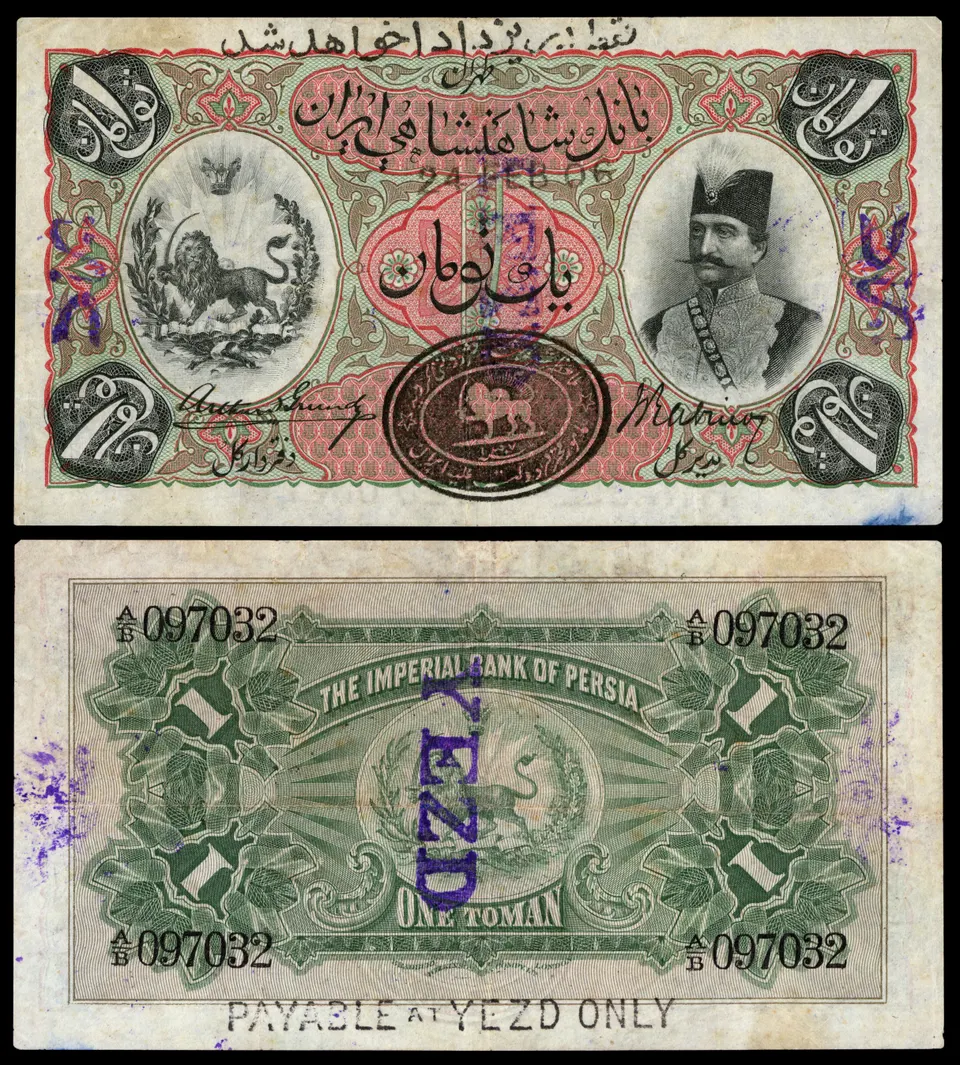
Russia’s Oil Crisis: A Double-Edged Sword for Tehran
Beyond the local price boards, a major shift is occurring in the global energy landscape that carries significant weight for Iran's fiscal outlook. Recent data from Rystad Energy indicates that Russia’s oil industry is finally running out of room to absorb further shocks. After a year of tightening sanctions and relentless Ukrainian attacks on refineries and ports, Russian crude output is forecast to drop to 8.95 million barrels per day (bpd) for the remainder of 2026. This is not just a Russian problem; it is a direct challenge to the 'gray market' ecosystem that both Moscow and Tehran inhabit.
When Russia’s production capacity falters, it creates a vacuum in the global supply chain, potentially driving up Brent crude prices. For Iran, higher oil prices are generally a boon, but there is a catch. As Russia feels the squeeze, it may become even more aggressive in discounting its barrels to lure Asian buyers—the same buyers Iran relies on to bypass Western sanctions. If Moscow begins to undercut Tehran more desperately, the influx of petrodollars into the Iranian treasury could tighten, putting further upward pressure on the USD/IRR exchange rate. The 'energy war' is no longer just about Europe; it is a battle for the remaining liquid markets in the East.

Diplomatic Optics vs. Economic Reality
While energy markets simmer, the Iranian Foreign Ministry is attempting to project an image of regional stability. Foreign Minister Abbas Araghchi hosted a high-level Tajik delegation in Tehran today, with state media reporting a 'deepening of economic and diplomatic ties.' While these meetings are often heavy on ceremony and light on substance, they serve as a necessary signal to the market that Iran is not entirely isolated. However, seasoned traders know that a trade deal with Tajikistan, while symbolically important, is unlikely to move the needle on the Toman’s value compared to the looming specter of global sanctions or the health of the oil market.
In the crypto space, Bitcoin continues to hold steady at $63,010, providing a digital alternative for those wary of the Toman's long-term prospects. Interestingly, USDT is currently trading at 186,718 Toman, slightly below the physical dollar's sell price. This 'Tether discount' often suggests that the immediate demand for digital assets is being outpaced by the need for physical cash in the local economy. As we move into Sunday's session, the primary focus remains on the 187,000 Toman level for the dollar. If that wall breaks, expect gold to quickly regain its lost ground as the 'fear trade' reactivates.
Frequently Asked Questions
Why did gold prices drop while the US Dollar rose in Tehran today?
How does the decline in Russian oil production affect the Toman?
What is the significance of the 187,000 Toman level for the USD?
Is the current Tether (USDT) discount a signal to buy crypto?
Understanding the Gray Market Oil Trade and Sanctions Evasion
The gray market in oil refers to the unofficial, often illicit channel through which petroleum is bought and sold outside of regulated, transparent exchanges. Unlike the formal market, transactions in the gray market are hidden from official statistics, bypass customs duties, and frequently involve parties that are under international sanctions. This shadow network allows countries or companies that are prohibited from trading oil to obtain the commodity by routing it through intermediaries, using falsified documentation, or swapping it for other goods in jurisdictions with lax enforcement.
Sanctions imposed on Russia after its 2022 invasion of Ukraine and on Iran for its nuclear program have dramatically reshaped global oil flows. With official avenues blocked, Russian crude has increasingly been shipped to Iran and other regional players via the gray market, where it can be re‑branded, mixed with other grades, or sold at a discount to buyers seeking to avoid detection. The lower‑priced Russian oil helps Iran stretch its limited foreign‑currency reserves, while providing Russia with a way to monetize its production despite sanctions.
For Iran, the gray market also intersects with the country’s dual exchange‑rate system. Official rates are set by the central bank, but the market rate—often expressed in tomans per US dollar—can be far higher. Revenue from gray‑market oil sales is typically converted at the market rate, injecting hard currency into the economy and influencing the price of gold, coins, and even cryptocurrencies within Tehran’s informal financial sphere. This dynamic explains why analysts closely watch the “187,000 toman” threshold as a signal of market stress or relief.
The mechanics of gray‑market trade rely on a network of brokers, ship owners, and flag states that turn a blind eye to the origin of the cargo. Vessels may be re‑flagged under nations with weak oversight, and oil is often transferred at sea using floating storage units to obscure its provenance. When discovered, such activities can trigger secondary sanctions, freezing assets of the involved entities and further complicating the global oil supply chain.
Understanding the gray market is crucial for policymakers, investors, and anyone tracking oil price volatility. It reveals how sanctions can be partially circumvented, how illicit flows affect official statistics, and why certain price thresholds—like the 187,000 toman level—carry outsized significance for economies operating under heavy external pressure.