Trump’s Oman Threat Pushes Toman to 187,000 as Geopolitical Risk Hits Boiling Point
تهدید ترامپ علیه عمان دلار را به ۱۸۷ هزار تومان رساند؛ سایه جنگ بر سر تنگه هرمز
The Iranian Toman weakened to 187,000 per USD as Donald Trump threatened to bomb Oman for its role in backchannel negotiations with Tehran. Meanwhile, gold prices climbed 0.6% and the US Treasury moved to tighten regulations on the stablecoins many Iranians use to hedge against inflation.
At time of publishing
USD
187,000
Toman
Gold 18K
19.18M
Toman / gram
Bitcoin
$64,167
US Dollar
Tether
186,220
Toman
The Toman Under Fire: Trump, Oman, and the 187,000 Level
The Iranian Toman faced a punishing evening session as geopolitical rhetoric reached a fever pitch. The US Dollar moved from 186,450 to 187,000 (+0.3%), a psychological breach that reflects growing anxiety over the collapse of regional diplomacy. The primary catalyst was Donald Trump’s explosive comments to Fox News, where he threatened to bomb Oman if the Sultanate "gets in the way" of his administration's endgame for the Iran deal. For years, Muscat has served as the essential “quiet room” for US-Iran communications, and the threat to target a neutral mediator has signaled to the markets that the 60-day window for a peaceful resolution is effectively dead.
This escalation comes at a time when the Iranian public is already grappling with record-high living costs. The market reacted swiftly to the threat; when the backchannel is threatened with fire, the only perceived safety is in hard currency. Senator Jon Ossoff’s characterization of Trump’s handling of the situation as “uniquely despicable” may resonate in Washington, but in the streets of Tehran, it translates to a flight from the Toman. The 0.3% move today might seem small in isolation, but it represents a compounding lack of confidence in any diplomatic off-ramp, leaving the currency vulnerable to further shocks as the deadline for negotiations expires.
Gold Surges and the Stablecoin Crackdown
Gold remains the preferred sanctuary for those wary of both the Toman and the global banking system. Gold 18k/gram moved from 19,065,977 to 19,183,711 (+0.6%), while the Emami coin rose from 189,000,000 to 190,500,000 (+0.8%). This outperformance of gold relative to the dollar suggests that Iranians are not just hedging against local currency devaluation, but also against a broader regional conflict that could disrupt global supply chains. When Trump mentions bombing a strategic neighbor like Oman, the intrinsic value of physical gold becomes the ultimate insurance policy for the Iranian middle class.
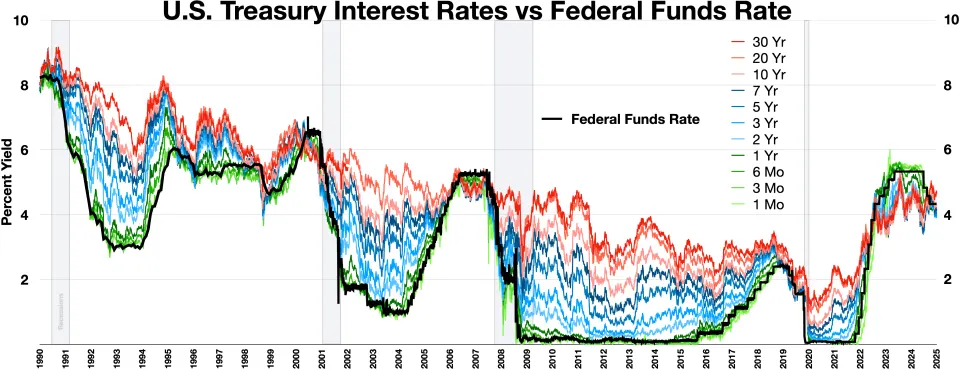
Simultaneously, the US Treasury has begun seeking public comment on the GENIUS Act, a move that could fundamentally alter the stablecoin landscape. For Iranians, Tether (USDT) and other stablecoins are digital lifelines used to bypass a crippled banking sector. The Treasury’s push for finalized rules by January 2027 suggests a future where decentralized or non-compliant stablecoins could face aggressive de-platforming. This regulatory tightening, combined with the current geopolitical heat, creates a pincer movement on Iranian savings: the Toman is losing value, and the digital exits are being narrowed by Western regulators.
Global Macro: Copper Records and AI Concentration
Beyond the immediate crisis in the Middle East, global commodity markets are sending mixed signals. U.S. copper imports hit a 12-year record in July, surpassing 200,000 tonnes as LME stocks continued their 42-session losing streak. This massive stockpiling is largely a bet on impending US trade taxes, but for the Iranian economy, it signals a world bracing for higher industrial costs. If copper remains in short supply globally, the cost of infrastructure and electronics—already inflated by sanctions—will continue to climb, adding another layer of misery to the domestic inflation profile.
In the equity space, the "AI stock god" narrative took a hit as reports surfaced that major hedge funds like Situational Awareness had over 56% of their capital concentrated in just two stocks before the July correction. This level of fragility in the world’s most advanced markets often precedes a flight to safety. For the Iranian investor, this means that even if regional tensions were to magically subside, the global environment is becoming increasingly volatile. The practical takeaway is clear: diversification is no longer a luxury. Between the threat of bombs in Oman and the threat of a regulatory hammer on crypto, holding a single asset class—especially the Toman—is a recipe for financial erasure.
Frequently Asked Questions
Why is Donald Trump's threat to Oman affecting the Iranian Toman?
What does the GENIUS Act mean for Iranians using Tether (USDT)?
Why did gold prices rise more than the dollar today?
Is the 187,000 Toman level for USD a permanent new floor?
Geopolitical Risk and Currency Depreciation
Geopolitical risk refers to the potential for political instability, international conflicts, or threats to disrupt the normal course of economic activity. These risks, whether from military confrontations, trade wars, or diplomatic tensions, create uncertainty that can profoundly impact global markets and individual national economies. When such risks escalate, investors often become wary of holding assets in the affected region or country, leading to significant shifts in capital flows and market sentiment.
One of the most immediate and visible effects of heightened geopolitical risk is the depreciation of a nation's currency. As uncertainty grows, foreign investors may pull their capital out of the country, seeking safer havens elsewhere. This outflow of capital reduces demand for the local currency, causing its value to fall relative to other major currencies like the U.S. dollar. Domestic citizens, fearing instability and inflation, may also convert their local currency into foreign currencies, gold, or other perceived safe-haven assets, further exacerbating the depreciation.
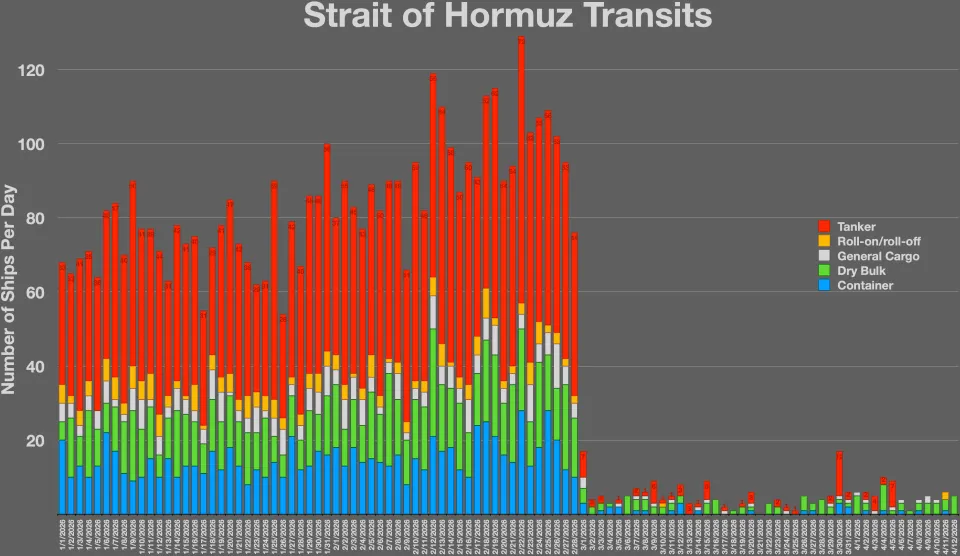
In the context of Iran, headlines about threats or crises, particularly concerning vital shipping lanes like the Strait of Hormuz, directly impact the value of the Toman (the informal unit for the Iranian Rial). Iran's economy is heavily reliant on oil exports, and any disruption to the Strait of Hormuz, through which a significant portion of the world's oil transits, directly threatens its primary source of foreign currency earnings. This vulnerability, compounded by international sanctions, makes the Iranian Rial particularly susceptible to geopolitical shocks.
The depreciation of a national currency due to geopolitical risk has severe consequences for ordinary citizens and the broader economy. It leads to higher import costs, fueling inflation as imported goods become more expensive. This erodes the purchasing power of wages and savings. Businesses face increased costs for raw materials and components, making international trade more challenging and less predictable. Ultimately, such currency instability can undermine economic growth, reduce living standards, and create a climate of economic insecurity.