USD Hits 188,500 as Hormuz Tensions and Global Diesel Shortages Ignite Tehran’s Night Session
صعود دلار به ۱۸۸,۵۰۰ تومان؛ سایه سنگین تنشهای هرمز و بحران گازوئیل بر بازار شبانه تهران
The Iranian Toman faced renewed pressure on Tuesday as USD rose 0.8% to 188,500, driven by escalating Strait of Hormuz risks and a global spike in energy costs. While Bitcoin remains uncharacteristically quiet, local gold and coin prices are tracking the dollar's ascent, signaling a protective shift in domestic capital.
At time of publishing
USD
188,500
Toman
Gold 18K
19.29M
Toman / gram
Bitcoin
$64,773
US Dollar
Tether
187,411
Toman
The Toman’s Nightly Retreat
Tuesday’s trading session in Tehran concluded with a palpable sense of anxiety as the currency market buckled under geopolitical weight. The US Dollar moved from 186,950 to 188,500 Toman, marking a 0.8% increase that reflects more than just daily volatility; it signals a growing lack of confidence in the short-term stability of the Rial. This movement wasn't isolated, as the Emami coin mirrored the trend exactly, rising from 190,500,000 to 192,000,000 Toman (+0.8%). For the average Iranian household, these numbers represent a tightening of the belt as the cost of imported goods and the general inflation index are expected to follow this upward trajectory.
The local gold market also saw significant action, with 18k gold climbing from 19,183,711 to 19,292,211 Toman per gram (+0.6%). This surge is particularly notable given that global gold prices are hovering near record highs, creating a double-whammy effect for Iranian buyers: a devaluing currency paired with an appreciating global asset. Traders in the Sabzeh Meydan district report that the 'buy' side of the ledger is increasingly crowded as citizens attempt to hedge against a potential breakout toward the 200,000 Toman psychological barrier.
The Energy Storm and Hormuz Risks
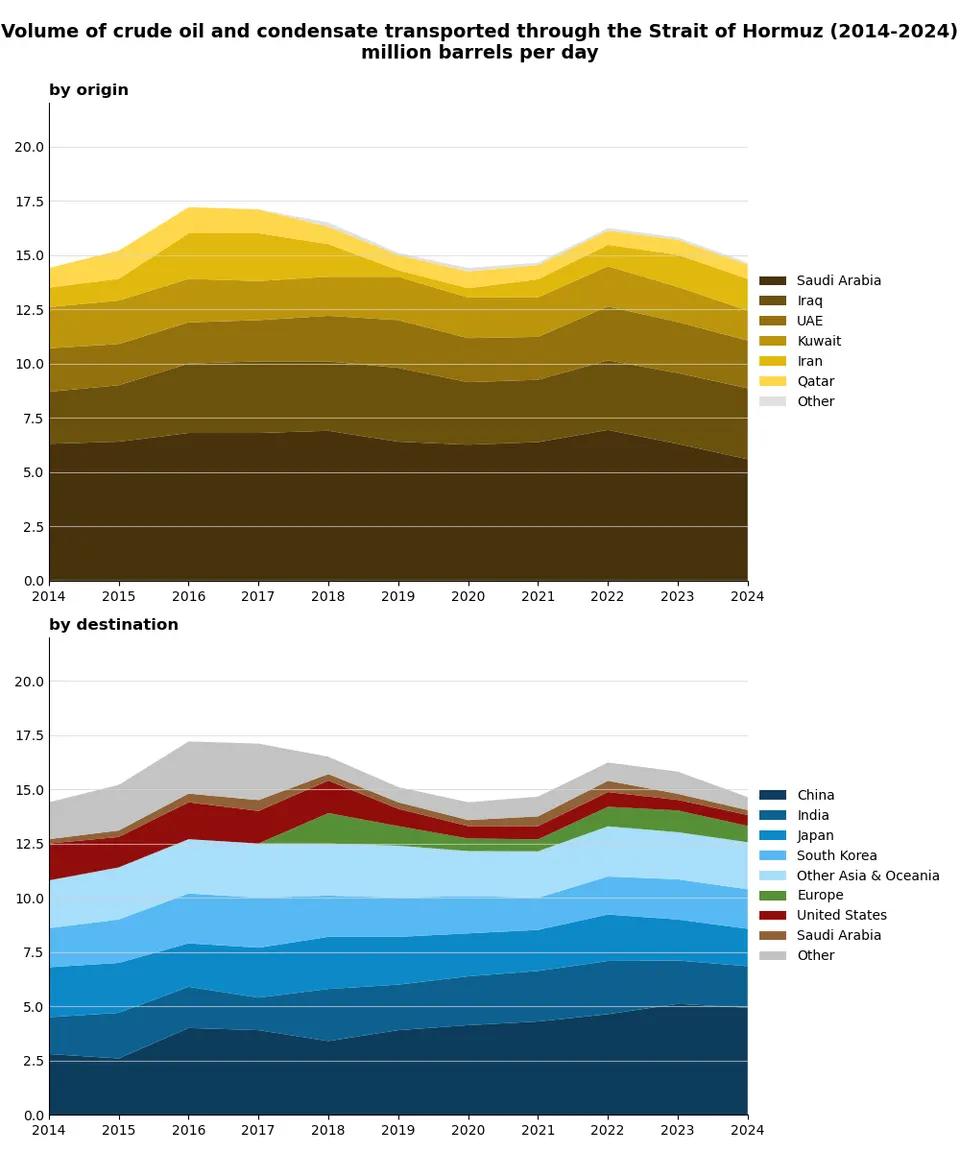
Beyond the local exchange offices, a "perfect storm" is brewing in the global energy markets that has direct consequences for Iran's economic survival. Brent crude is currently trading around $91 a barrel, bolstered by reports of fresh vessel attacks near the Strait of Hormuz. Compounding this is the critical state of U.S. diesel reserves, which are sitting at near 23-year lows. As refined products become scarcer globally, the pressure on shipping lanes increases, making any disruption in the Persian Gulf a high-stakes gamble for the global economy. Iranian authorities have claimed they might shift to "offensive operations" in response to threatened U.S. sanctions, a rhetoric that only adds fuel to the speculative fire.
This energy crunch matters to Iranians because it dictates the government's ability to generate hard currency. While high oil prices generally benefit exporters, the increased cost of shipping and the looming threat of more stringent sanctions mean that the net benefit to the Iranian public is often negligible. Instead, the volatility in the Strait of Hormuz acts as a risk premium that local traders immediately bake into the price of the dollar. The downstream effect of low diesel reserves globally also means higher transportation costs for the food and medicine that Iran still manages to import, further eroding the purchasing power of the Toman.
Global Contrast: Nvidia’s Bull Run vs. Bitcoin’s Silence
While the Iranian market is in a state of high alert, global tech and crypto markets are telling a different story. Bank of America (BofA) analysts are now making a case for Nvidia’s stock to climb another 55%, citing enhanced share buybacks and a dominant position in the AI infrastructure race. This bullishness in traditional tech contrasts sharply with the current state of Bitcoin, which has "gone quiet" as traders chase more speculative payoffs elsewhere. For Iranian crypto enthusiasts, the stability of Bitcoin at $64,773 is a double-edged sword; while it offers a respite from extreme volatility, the lack of upward momentum means it isn't currently outperforming the rapid devaluation of the Toman.
The takeaway for the local investor is clear: the market is currently driven by fear and geopolitical positioning rather than fundamental economic growth. While global narratives like the Tupac Shakur murder trial in Nevada capture international headlines, providing a strange sense of historical closure, the Iranian public is focused on a much more immediate and uncertain future. The practical move remains diversification; as the dollar inches closer to new highs, the demand for USDT (trading at 187,411 Toman) and physical gold remains the primary strategy for capital preservation in an increasingly unpredictable environment.
Frequently Asked Questions
Why is the USD/IRR rate rising despite Bitcoin being quiet?
What does the 23-year low in U.S. diesel reserves mean for Iran?
Is the current gold price in Tehran a bubble?
How does Nvidia's stock performance affect the Iranian market?
Understanding Geopolitical Risk: How Global Tensions Sway Currencies and Commodities
Geopolitical risk refers to the likelihood of political events or conflicts occurring in a region that could disrupt economic activity, trade, or financial markets globally. These risks range from regional instability and trade wars to armed conflicts and sanctions, creating significant uncertainty for investors, businesses, and governments alike. The Strait of Hormuz, for instance, is a critical choke point for global oil shipments, making any tension there an immediate source of geopolitical risk with far-reaching economic consequences.
When geopolitical tensions escalate, their impact reverberates across various markets. Commodity markets are often the first to react, particularly those tied to global supply chains or strategic resources like oil and natural gas. Fears of supply disruptions from key regions, such as the Middle East, can lead to sharp increases in prices for commodities like crude oil and its derivatives, including diesel. This is because market participants anticipate reduced supply or increased demand for stockpiling, driving up costs for consumers and businesses worldwide.
These effects extend profoundly to currency markets, especially for nations directly involved or highly vulnerable to the specific geopolitical event. In times of heightened risk, investors often seek "safe-haven" currencies, typically the U.S. dollar, leading to its appreciation against more volatile or perceived riskier currencies. For economies already under international sanctions, like Iran, geopolitical tensions can exacerbate existing vulnerabilities. Sanctions restrict access to global financial systems, making the local currency more susceptible to depreciation when external shocks—like oil supply fears or global shortages—increase the demand for stable foreign currencies to facilitate essential imports or preserve wealth. This dynamic can lead to a rapid devaluation of the local currency, as seen in the headline.