Beyond Hormuz: Global Trade Wars and Energy Chokepoints Fuel 4.8% Surge in Tehran Gold
فراتر از هرمز؛ جنگ تجاری جهانی و بحران انرژی سکه امامی را ۴.۸ درصد گران کرد
As the Strait of Hormuz remains effectively paralyzed, a new trade war between the US and Canada has ignited a rush for safe-haven assets. In Tehran, the Emami coin surged 4.8% in a single session, reflecting deep anxiety over regional stability and global inflation.
At time of publishing
USD
194,100
Toman
Gold 18K
21.43M
Toman / gram
Bitcoin
$77,162
US Dollar
Tether
191,348
Toman
The Saturday Night Fever in Tehran Markets
Tehran’s financial markets closed the week with a dramatic spike, as the shadow of regional conflict and global trade instability loomed large. The most striking movement came from the gold sector, where the Emami coin surged from 199,500,000 to 209,000,000 Toman, marking a significant 4.8% increase in just 24 hours. This wasn't an isolated event; 18k gold followed suit, moving from 20,483,401 to 21,429,890 Toman per gram (+4.6%). For the average Iranian household, this rapid appreciation represents a double-edged sword: while it protects the savings of those already holding gold, it further alienates the middle class from basic wealth preservation.
The currency market was equally volatile, though slightly less explosive than gold. The USD moved from 190,500 to 194,100 Toman, a 1.9% rise that signals a breach of previous psychological resistance levels. The demand for hard currency is being driven by a 'perfect storm' of factors: the ongoing closure of the Strait of Hormuz, which has choked off vital oil revenues, and a new layer of global uncertainty as the United States enters a trade war with its northern neighbor, Canada. Investors are no longer just looking at local inflation; they are pricing in a systemic global shift toward protectionism and supply chain disruptions.
The Chokepoint Reality and Energy Anxiety
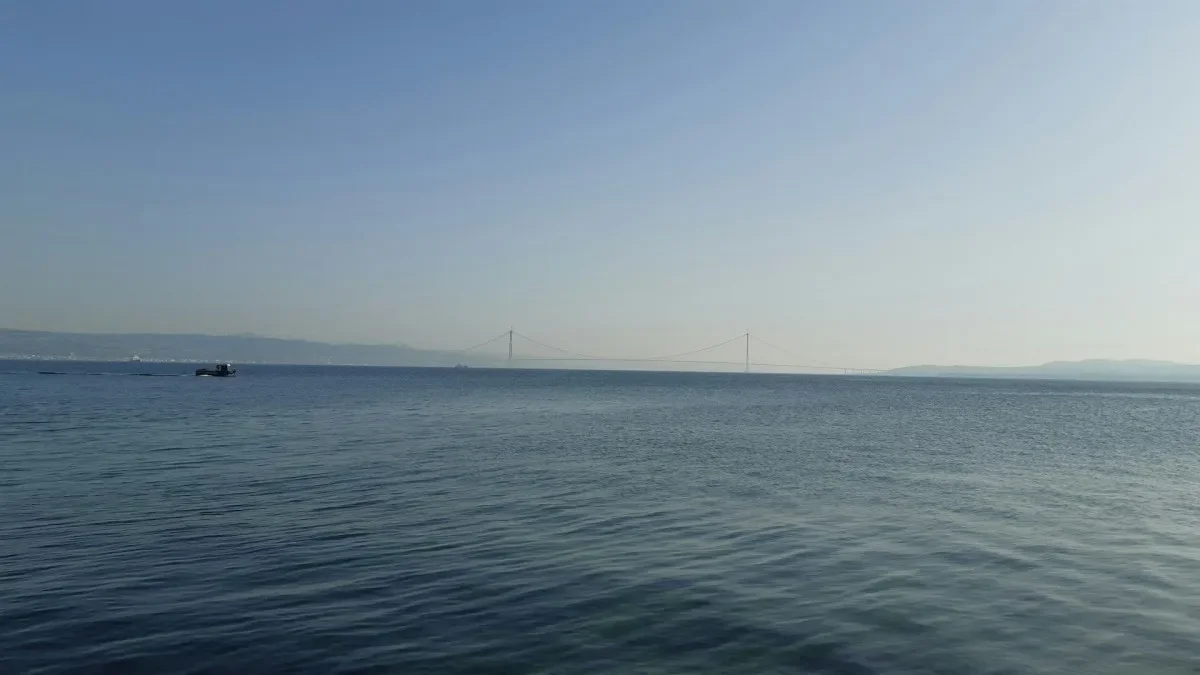
The fundamental driver of this market anxiety remains the status of the Strait of Hormuz. Recent data from the EIA highlights the severity of the situation: crude and liquid flows through the strait have plummeted to just 4.9 million barrels per day in the second quarter of 2026, compared to a staggering 21.6 million barrels in late 2025. This massive reduction in throughput is a direct result of the ongoing friction between Iran, the US, and Israel. While the world has focused on Hormuz, other global chokepoints are now coming into focus as alternative routes become congested and expensive, adding a permanent 'risk premium' to every barrel of oil and gram of gold.
In Tehran, officials are attempting to project a sense of defiance. Parliament Speaker Mohammad Baqer Qalibaf recently asserted that the management of the strait would never return to its pre-war state, a claim that suggests long-term structural changes to global energy transit. Simultaneously, the Islamic Republic’s Air Force commander marked Defense Industry Day by calling the domestic arms industry a "symbol of self-reliance." However, for market participants, these statements often serve as a signal to buy more gold, as they interpret the rhetoric of self-reliance as a precursor to further international isolation and potential military escalation.

Global Macro: Tariffs, The Fed, and the Practical Takeaway
Adding fuel to the fire is the sudden collapse of trade talks between the US and Canada. Prime Minister Mark Carney has labeled President Trump’s fresh tariffs a 'miscalculation' and has vowed retaliatory measures. This trade war between the world’s largest trading partners is destabilizing the US Dollar's global hegemony, paradoxically making gold even more attractive to international and local investors alike. Furthermore, Wall Street is currently obsessed with Federal Reserve dynamics, with figures like Kevin Warsh potentially influencing a more hawkish or unpredictable monetary path. This global uncertainty is reflected in the crypto markets, where Bitcoin holds steady at $77,162, acting as a digital alternative to the traditional gold hedge.
For the Iranian reader, the message from today’s session is clear: we are entering a period where 'geopolitics is macro.' The days when local markets moved solely on domestic news are over. The price of your gold coin is now as much a reflection of a tariff dispute in Ottawa as it is of a policy decision in Tehran. The current rally is driven by fear, but it is a fear grounded in the very real math of energy chokepoints and trade barriers.
Practical Takeaway: With gold and USD breaking upward, the 'wait and see' approach is becoming increasingly expensive. If you are looking to hedge against inflation, diversifying into small-denomination gold or stablecoins like USDT (currently at 191,348 Toman) remains the most accessible path to liquidity in a market that is increasingly decoupled from global norms.

Frequently Asked Questions
Why is the price of gold in Tehran rising faster than the US Dollar?
How does the drop in oil flow through Hormuz affect my daily life?
Is Bitcoin at $77k a better investment than gold right now?
What is the significance of the US-Canada trade war for Iran?
Energy Chokepoints: How the Strait of Hormuz Shapes Global Trade and Commodity Prices
The Strait of Hormuz is one of the world’s most critical energy chokepoints – a narrow waterway between Iran and Oman through which roughly 20% of global oil consumption passes each day. Because the strait is only about 21‑nautical‑miles wide at its narrowest point, any geopolitical tension, military incident, or even a minor accident can instantly constrain the flow of crude and refined products. When supply is threatened, oil prices spike, and the ripple effects spread to other markets, including gold, which is often seen as a safe‑haven asset during energy‑price turbulence.
During periods of heightened tension – such as the 2019‑2020 U.S.–Iran confrontations or the 2023‑2024 escalation over Iranian nuclear talks – traders watch the Hormuz corridor closely. A temporary shutdown or a threat of closure can push Brent crude up by several dollars per barrel, which in turn raises the cost of production for many commodities. Higher oil prices increase inflationary pressures, prompting investors to shift capital into gold and other precious metals, thereby driving up prices like the 4.8% surge in Tehran’s gold market mentioned in the headline.
Energy chokepoints also intersect with broader trade wars. When major economies impose tariffs or sanctions – for example, the U.S.–Canada lumber dispute or the U.S. tariffs on Iranian oil – the resulting supply‑chain disruptions amplify the sensitivity of chokepoint regions. A trade war can reduce demand for oil, but if it coincides with a Hormuz disruption, the net effect may still be price volatility. This dual pressure explains why gold, Bitcoin, and even local currencies (e.g., the USD‑to‑IRR exchange rate) can experience sharp swings in response to seemingly unrelated policy moves.
Understanding chokepoints helps investors and policymakers anticipate market reactions. Diversifying supply routes, building strategic petroleum reserves, and maintaining diplomatic channels around the strait are all tools used to mitigate risk. For emerging markets like Iran, where gold is a popular store of value, the interplay between Hormuz‑related oil shocks and external trade policies can directly influence domestic pricing and investment behavior.
In short, the Strait of Hormuz is not just a geographic bottleneck; it is a strategic economic lever that magnifies the impact of global trade disputes, sanctions, and commodity price cycles. Monitoring its status provides early warning signals for shifts in oil, gold, and even cryptocurrency markets.